
You will love this
What Are Seeds?
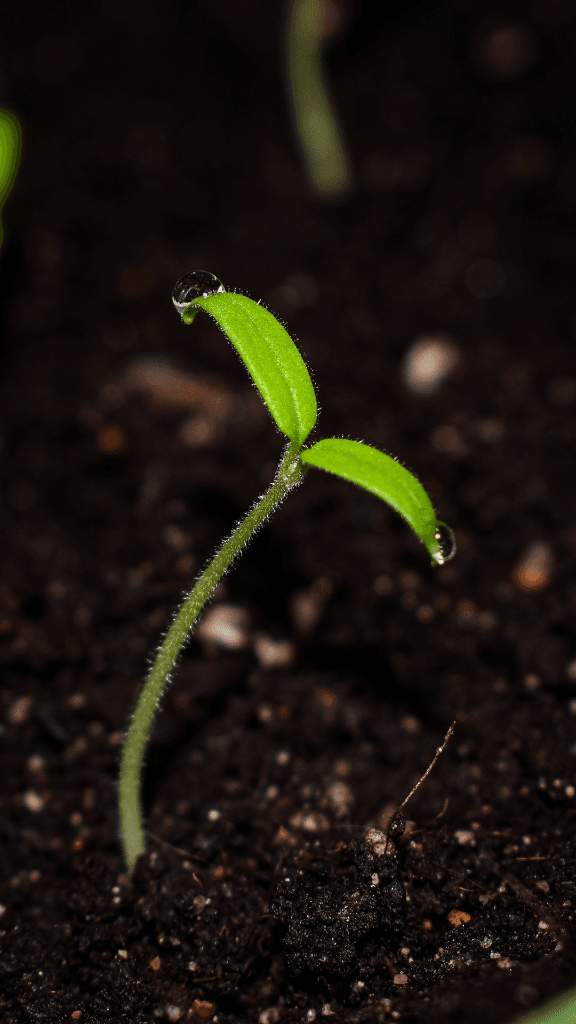
Seeds are tiny living structures that hold the future of every plant you see. Inside each seed, a small embryo waits for the right moment to grow. The seed germination process begins when moisture, warmth, and oxygen activate growth. Understanding this natural cycle builds a strong base for successful gardening.
You might wonder how long do seeds take to germinate or even why are my seeds not germinating. The answer depends on seed type, care, and environment. Good seeds, proper temperature for germination, and correct moisture lead to strong plants from the very beginning.
Start Your Gardening Journey with Confidence
Starting your journey feels exciting when you learn how to grow plants from seeds for beginners. Seeds offer control, variety, and cost savings. By mastering indoor seed starting and basic techniques, you set yourself up for long-term gardening success.
Many beginners ask when should I start seeds indoors or can I grow seeds without sunlight. With the right setup, including proper light requirements for plants, even small spaces can produce thriving seedlings and healthy gardens.
Our Mission
Our mission at SeedsStories.com is simple yet powerful:
To educate, inspire, and connect people through the knowledge of seeds.
Educate
Readers about the biology, history, and importance of seeds in our world.
Supporting Farmers and Gardeners:
Our goal is to inspire farmers, gardeners, and nature lovers with useful tips, stories, and research about seeds and cultivation.
Inspire curiosity
About the natural world and encourage people to reconnect with nature.
Bridge the gap
Between traditional knowledge and modern science to create awareness and appreciation for the value of seeds in our daily lives.
Understanding Seeds Anatomy
Step-by-Step Seed Sowing Process
Begin by filling containers with moist growing mix. Place seeds using proper seed spacing techniques. Cover them lightly based on size and type. Keep moisture consistent and avoid overwatering.
Many beginners wonder how to prepare soil for planting seeds and how to water seedlings correctly. Gentle watering and balanced moisture prevent damage and support strong root development.
How to Grow Healthy Seedlings
Strong seedlings need proper light, water, and nutrients. Follow a reliable seedling care guide and maintain ideal light requirements for plants. Healthy seedlings grow thick stems and vibrant leaves.
People often ask how to grow healthy seedlings fast and how to prevent damping off in seedlings. Good airflow and controlled moisture reduce disease risk and support steady growth.
When to Transplant Seedlings
Transplanting starts when plants outgrow their containers. Careful transplanting seedlings ensures roots stay intact. Move them gently into larger spaces for continued growth.
Many ask how to transplant seedlings without damage and how to harden off plants before transplanting. Gradual exposure to outdoor conditions strengthens plants and prevents shock.
Seed Sowing Guide
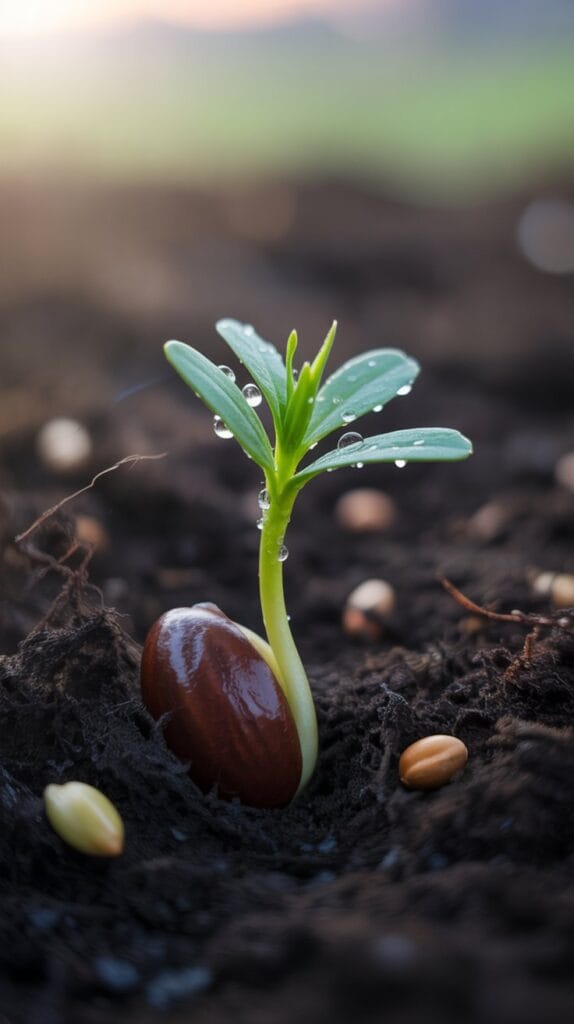
The foundation of success lies in knowing the best way to sow seeds at home. From choosing the right seed starting mix to understanding seed spacing techniques, each step affects growth quality and plant strength.
Gardeners often ask how deep should I plant seeds and what temperature do seeds need to grow. Seeds need balance. Too deep slows growth. Too shallow dries them out. Proper care ensures smooth progress through all seedling growth stages.
Indoor Seed Sowing Made Easy
Indoor growing offers full control over climate and protection. With soil-less growing medium and proper lighting, you create a perfect environment for early growth. This method supports consistent germination and faster development.
Many gardeners search how to start seeds indoors step by step. Indoor setups use seed trays and containers, controlled light, and stable warmth. This setup improves survival rates and helps you grow plants before outdoor conditions improve.
A successful indoor setup needs the right tools. Use clean seed trays and containers, high-quality seed starting mix, and strong artificial lighting. These elements create the perfect base for healthy growth.
Gardeners often ask what soil is best for seed starting. A light soil-less growing medium allows roots to grow freely. It prevents disease and improves moisture control during early development.
Outdoor Seed Sowing Guide
Outdoor planting connects seeds directly with nature. Proper outdoor seed planting depends on timing, weather, and soil quality. Good conditions lead to strong and natural growth.
Gardeners often search what seeds grow best outdoors. Seeds suited to local climate perform better. Careful planning and correct timing improve germination and survival rates.
Different techniques help achieve different results. Direct sowing methods work well for fast-growing plants. Broadcasting creates a natural look while row planting offers control.
Choosing the right method depends on your goals. Proper seedbed preparation and spacing improve plant health and reduce competition for nutrients and water.
Different Seed Sowing Methods You Should Know
Different techniques help achieve different results. Direct sowing methods work well for fast-growing plants. Broadcasting creates a natural look while row planting offers control.
Choosing the right method depends on your goals. Proper seedbed preparation and spacing improve plant health and reduce competition for nutrients and water.
Before You Sow Seeds – Important Preparation Tips
Preparation ensures better results. Focus on seedbed preparation and proper soil conditioning. Healthy soil supports strong root systems and plant growth. Many wonder how to prepare soil for planting seeds. Adding organic matter improves structure and fertility. This step creates a strong foundation for growth.
How to Plant Seeds Properly (Best Practices)
Seedling Care and Plant Growth Tips
Latest Gardening Tips & Guides
Staying updated improves gardening skills. New methods and ideas help solve problems and increase efficiency. Exploring advanced techniques enhances results. Continuous learning leads to better gardening success.
Stay with Seeds Stories
Success begins with action. Apply these methods and watch your garden thrive. Every step builds confidence and skill. Follow this complete guide to master the Seeds Stories – Your Complete Guide to Seeds, Gardening & Growing Success journey. With patience and care, your garden will flourish beautifully
Subscribe Now!
F.A.Qs
Seeds do not have a true expiration date like food, but over time, their viability diminishes. Many seeds can be stored for several years if kept under specific conditions, although their germination rates tend to decrease over time.
Fresh seeds naturally have the highest germination rates, often reaching 90 percent or more for high-quality varieties. These rates decrease with the age of the seed; however, many of the varieties will still germinate into some viable plants after the recommended seeding date.
It also makes sense to test older seeds before sowing to determine if they’re worth using or if new ones need to be purchased. A simple germination test involves taking a sample of the seeds and placing them on moist paper towels to observe how many will sprout within a week or two.
The time of germination of different plant species varies considerably. Fast-germinating seeds such as radishes and lettuce might surface within 3-7 days, but slower-growing types (like carrots or parsley) can take as long as 2-3 weeks. The speed of germination is also influenced by temperature, moisture, and the seed’s freshness.
Seeds are the reproductive part of the plant, containing an embryo and food reserves within them, while the bulb is a modified stem that stores energy for the plant. Seeds need to germinate to become plants, but bulbs are already mature and contain plants within them, waiting to grow when conditions are right.
A good rule of thumb is to plant seeds at a depth of around 2 to 3 times their own diameter. Tiny seeds, such as lettuce or wet flower seeds, need to be covered very lightly or not at all, while big seeds, like bean seeds, can be planted 1-2 inches deep. As always, consult individual seed packets for suggested spacing.
Yes, seeds can be allowed / encouraged to germinate in mediums such as paper towels, rockwool, or a specialty seed starting mix. All you need is moisture, the right temperature, and good oxygen. The soil offers additional benefits, including nutrients and a suitable environment for young plants to grow.
There are various methods to improve difficult germination.
Pre-soaking: Softens hard seed coats by immersing them in water.
Scarification: Physically (Mechanical or Scarification) breaks the hard seed shells around the seed in water to penetrate the seed for a consistent moisture and temperature environment for germination. The use of fresh, top-quality seeds also greatly increases success.
You can save seeds from a lot of store-bought vegetables, but how successful you are depends on the vegetable. Organic seeds are much more likely to germinate than commercially grown seeds (non-organically grown seeds), which may have been chemically treated to keep them from sprouting. Hybrid types won’t grow true to type from saved seed.