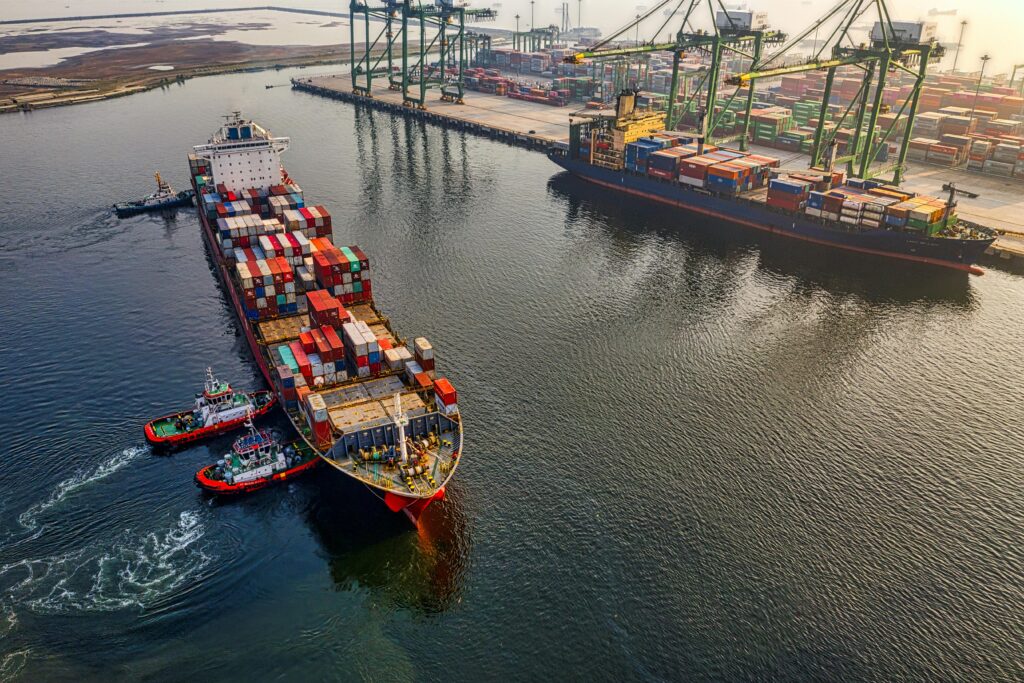
The global export seeds market presents a significant opportunity for business growth, driven by the need to connect farmers and growers across continents. International seed trade can open up new revenue streams and broader market access for entrepreneurs and agricultural enterprises. But it’s not as straightforward as simply placing seeds in a package and sending them off. It takes a sophisticated comprehension of complexity-riddled regulations to ensure that your products can cross borders in an expedited and legal fashion.
For any seed exporter looking to break into the lucrative US market, this guide lays a clear path. Whether it is ensuring you obtain the best certificates or meeting quality specifications, we navigate the complexities of seed export regulations so you don’t have to. By the time you finish this post, you’ll have a blueprint for starting a successful export seeds business.
All About Export Seeds Basics
But before we get to those rules to export seeds, you need to understand what is considered for export seeds. This usually involves seeds for sowing, which are grouped to serve a specific purpose. The three main types are:
- Agricultural Seeds: These are seeds for main field crops such as corn, wheat, soybeans and cotton. Quality assurance is critical for this group because of the role it plays in farming and food production.
- Seeds Vegetables: This is a general election for seeds of many favourite backyard gardens and market vegetables, including tomatoes, peppers, and lettuce. The market for the export of vegetable seeds is large, and it includes both commercial farmers and home gardeners.
- Flower seeds: This includes seeds for flowers and other ornamental plants. Regulations can vary considerably country by country — particularly if the plant is seen as rare or may become invasive.
Each category has its own rules, and identifying the correct category for your product marks the beginning of your export seeds journey.
Shipping to the United States would also require navigating a complex system of federal and state laws that have been created to protect American agriculture and ecosystems. Through Animal and Plant Health Inspection Services (APHIS), the USDA is responsible for regulating seed imports.
Phytosanitary Certificates: A Non-Negotiable Requirement
A phytosanitary certificate is required for most seeds being imported into the US for planting purposes.
What is it? This is a national official certificate of the exporting country’s NPPO. It attests that the seeds have been surveyed and found free from injurious pests, diseases, and seeds of noxious weeds, as required under US import regulations.
Why is it necessary? The US maintains stringent rules to guard against the spreading of foreign pests and diseases that could decimate its agricultural industry. The phytosanitary certificate is always the first proof that your load was deemed fit for entry to the country.
To obtain one, apply for a certificate from your country’s NPPO for each shipment. The procedure usually includes examination of the seed lot for purity and freedom from diseases.
USDA APHIS Import Permits
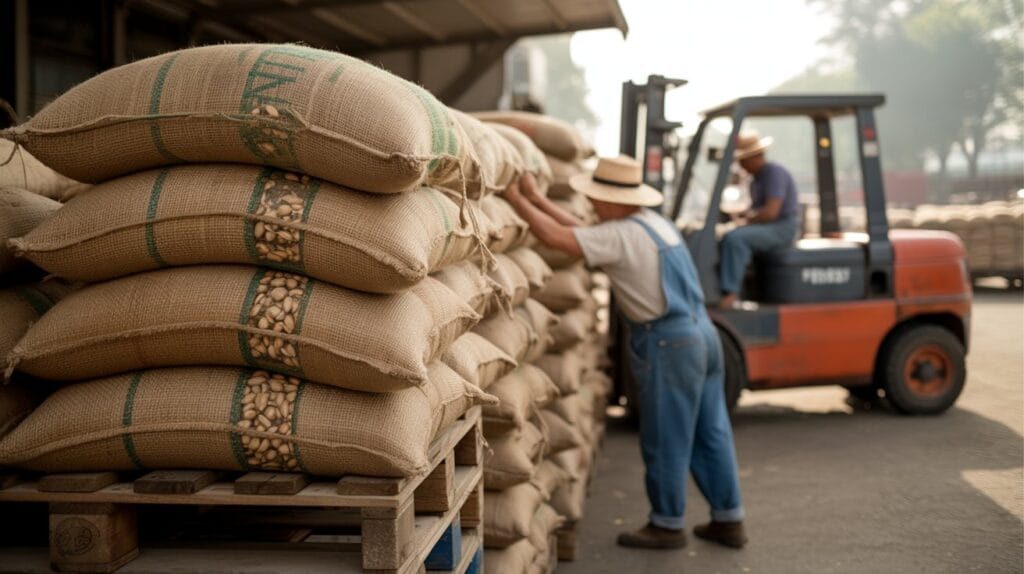
You’ll probably also need an import permit from USDA APHIS to accompany your country’s phytosanitary certificate–especially for certain kinds of seeds or seeds from specific countries. This is especially true of GMO, pesticide-treated, or high-risk seeds. Applications for these permits can also be submitted via the USDA’s eFile system.
Federal Seed Act Requirements
The Federal Seed Act (FSA) establishes the level of labelling and quality all seeds must meet to enter the US. The FSA includes:
Labelling: This includes the seed variety name, lot number, origin, and percentages of pure seed, weed seed, and germination.
Quality: The seeds must adhere to minimum purity and germination requirements, excluding noxious Weeds. The FSA also prohibits the entry of seed containing, on average, more than the established tolerances of noxious weeds.
State-Specific Seed Laws
Compliance doesn’t stop at the federal level. The seed laws of individual US states may require additional labelling, testing, and prohibit noxious-weed species. Seed exporters will need to study the laws of the particular state in which they are selling. A legal seed lot in one state can be an illegal seed lot in another as a result of varying lists of noxious weeds.
EU regulations to look out for Export Seeds
Your goal may be the USA, but much of the world’s export seeds, or at least where many US seeds originate from, is in or sourced out of the European Union. Getting those across often comes to be the first step. EU regulations are among the strictest in the world and can be used as a quality standard.
- Registration: In countries like Denmark, professional operators who import seeds from outside the EU have to register as importers with their national agricultural authority.
- Plant Passports: Many seeds carry a plant passport for trading within the EU. This document certifies that the seeds comply with plant health standards outlined by the EU, and is a requisite for moving goods between member states. The Swedish Board of Agriculture, for instance, demands plant passports for certain species of agricultural and vegetable varieties.
- CITES Permits: When export seeds of CITES-listed specimens, you will need an export and import permit. That includes rare species, even endangered ones, such as certain orchids or cacti.
A Useful List to Kick Off Exporting Seeds
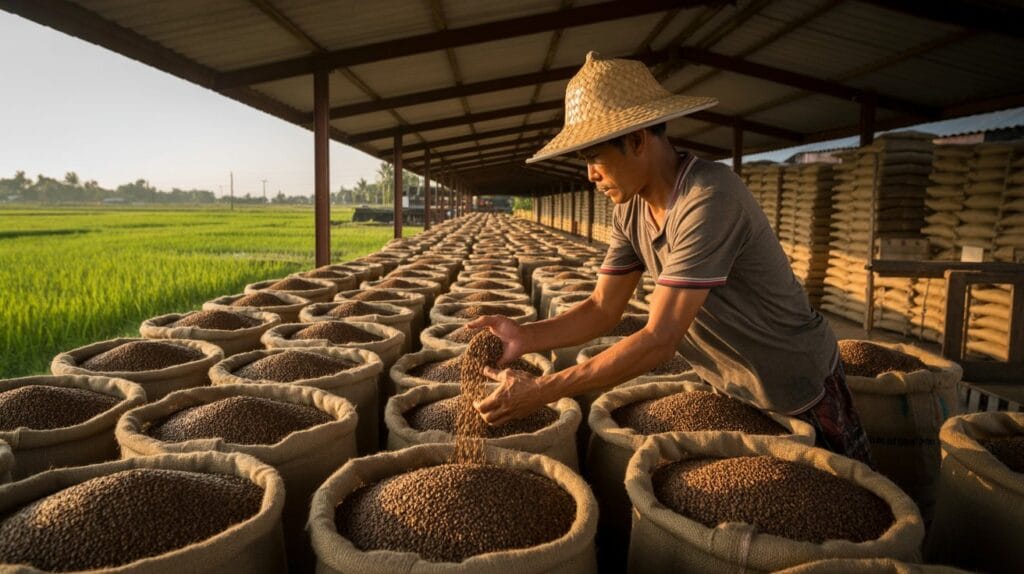
Ready to take the next step? Here is a practical guide to help your own seed export business.
- Register Your Business for export seeds: You must fully register your business as a seed producer or exporter with the required government agencies in your country.
- Ensure Seed Quality and Certification: Have your seeds tested to verify they meet the quality standards (germination, purity, and plant health) required by both your country and the US. Formal certification is necessary for most agricultural seeds.
- Obtain a Phytosanitary Certificate: Contact the NPPO of your country to schedule an inspection and obtain a phytosanitary certificate for each shipment.
- Obtain US Import Permits: Contact USDA APHIS to determine if an import permit is required for your type of seeds. Apply if necessary.
- Get the Labelling Right: Craft your packaging and labels to meet requirements under the US Federal Seed Act and destination-state laws. Accuracy is critical.
- Be Ready For Inspections: Your goods are inspected upon arrival in the US. Ensure all your paperwork is in order to expedite the process. You should also be prepared to pay any related inspection charges.
- Com 40 PAGE 11 Understand Shipping and Logistics: Partner with a logistics provider familiar with moving agriculture products to help you navigate the intricacies of international seed shipping.
Export seeds for growing in the US represents a large opportunity, but also one that should be treated with great caution and regard for compliance. By knowing the functions of USDA APHIS, what provisions are under the Federal Seed Act and why it matters to have a phytosanitary certification, you can establish your export seeds business while complying. What you need to do is be meticulous, complete and proactive in your research and documentation.
Although starting this process is no easy feat, the profit potential of breaking into the international seed industry makes it all worth it. Begin your search by understanding additional requirements that may apply to the seed type you want to produce: Thus, you’d be on your way to becoming an accredited international supplier of reliable seeds.