If you’ve hiked (or walked through tall grass) and then returned home only to find dozens, or hundreds, of tiny ticks crawling on your skin or clothing, you have likely been introduced to seed ticks. These little parasites can certainly take outdoor lovers, pet owners, and families by surprise. Although virtually tiny, seed ticks are capable of creating much distress and concern.
To prevent these unpleasant little creatures from becoming a full-blown infestation, outdoor enthusiasts may want to know how to avoid seed ticks and how to get rid of them. This guide will explain all you need to know about seed ticks, including how to identify these arachnids from their other life stages and keep them (and the diseases they spread) off you, your kids, and your pets.
Be it to prepare for your next camping adventure, keep the yard safe, or just be ready when you need it – this is a detailed guide to dealing with seed ticks that will leave you well-informed and able to confront them.
What Are Seed Ticks?
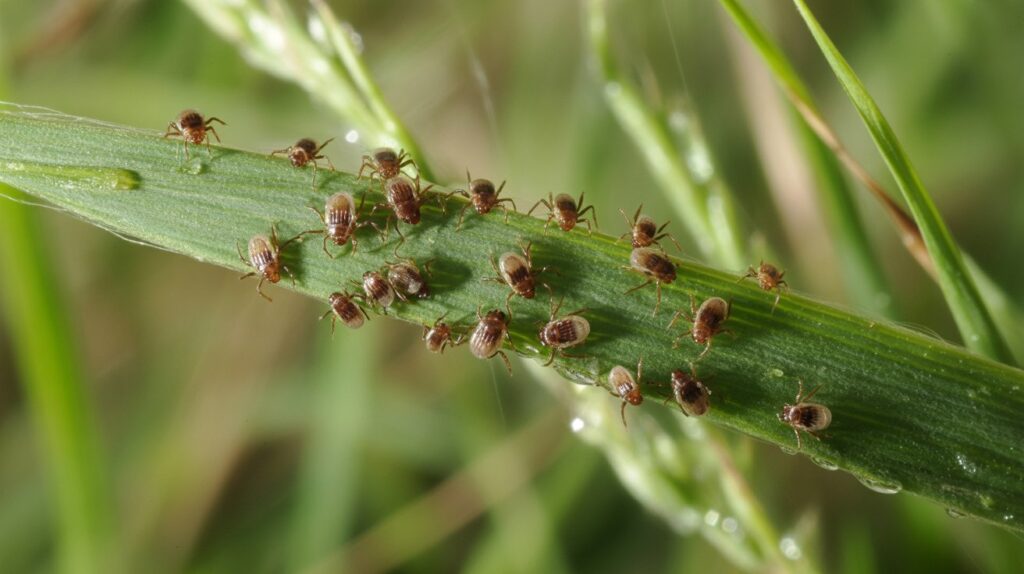
Seed ticks are commonly misunderstood. The term “seed tick” most often refers to larval-stage ticks—the same stage of development in a tick’s life cycle after hatching from the egg. At this point, the ticks are extremely small — no bigger than a poppy seed in some cases — and they possess just six legs instead of eight, as is the case with adult ticks.
Since seed ticks have only recently hatched and not yet consumed a first blood meal, they are less likely to be infected with pathogens that cause tick-borne diseases. This provides some comfort, but it is not proof of their harmlessness.
It’s worth noting that “seed tick” is also sometimes used more generically to describe any baby/small tick (which can occasionally narrowly include nymph-stage ticks). Nymphs have already spiked once and shed their skin from the larval stage. They are eight-legged creatures that are larger than larvae. More importantly, nymphs can be carriers and vectors of disease such as Lyme disease and Rocky Mountain spotted fever, among others.
The mix-up between seed ticks and nymphs, however, illustrates why it’s so important to identify them and remove them correctly.
Seed Ticks vs. Nymph Ticks
Fortunately, by learning the differences between seed ticks (or larvae) and nymph ticks, you can get a better idea of how much of a threat there is and what to do.
Seed Ticks (Larvae):
- Newly hatched, six-legged ticks
- Have not yet fed on a host
- Generally, they do not carry pathogens
- Very small, the size of a grain of sand
- Occur in massive aggregations, known as “tick bombs”.
Nymph Ticks:
- Received their first blood meal and changed skin
- Have eight legs like mature ticks
- Can carry and transmit diseases
- Slightly larger and I don’t mean in the buff larvae.
- More able to bite through human skin
Larval ticks are less of a disease threat, but can cause local irritation and allergic reaction or secondary infection by bacteria if mishandled. However, nymphs are more likely to transmit pathogens and pose a greater human health risk.
According to entomologist Dr. Emily Carter: “Seed ticks are generally a pain because, well, they come in bunches. Vigilant preventative measures are key.”
How to Identify Seed Ticks
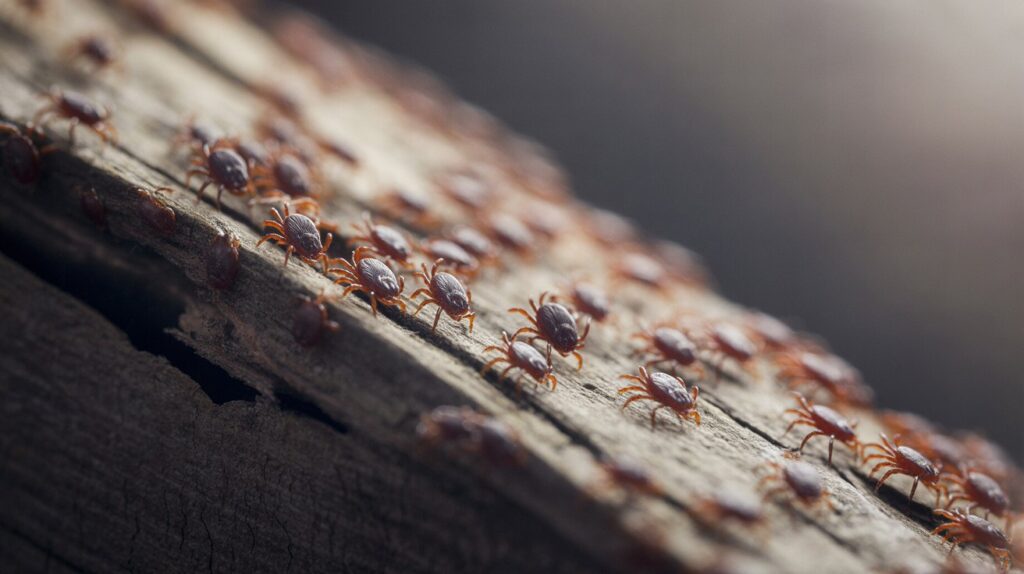
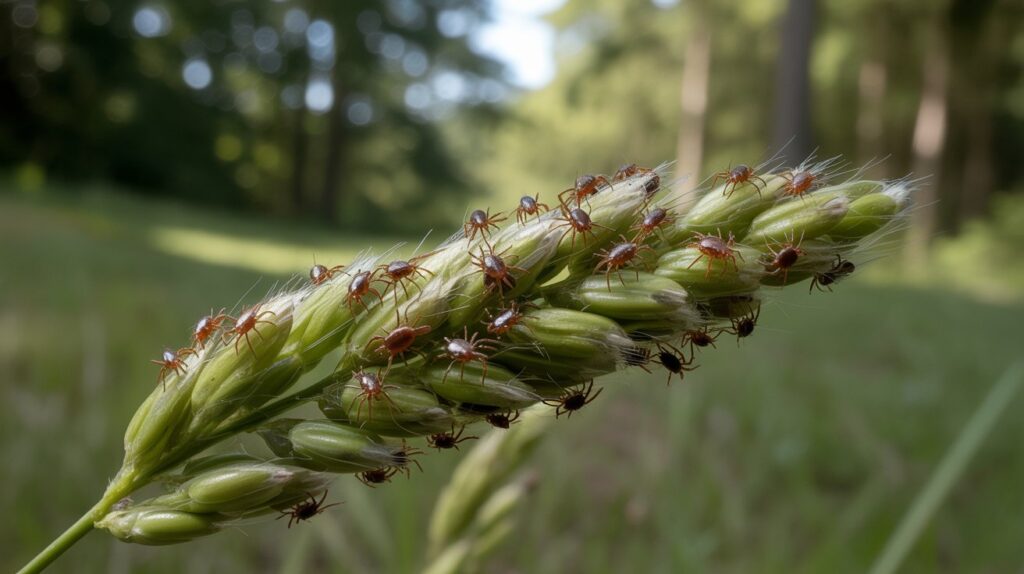
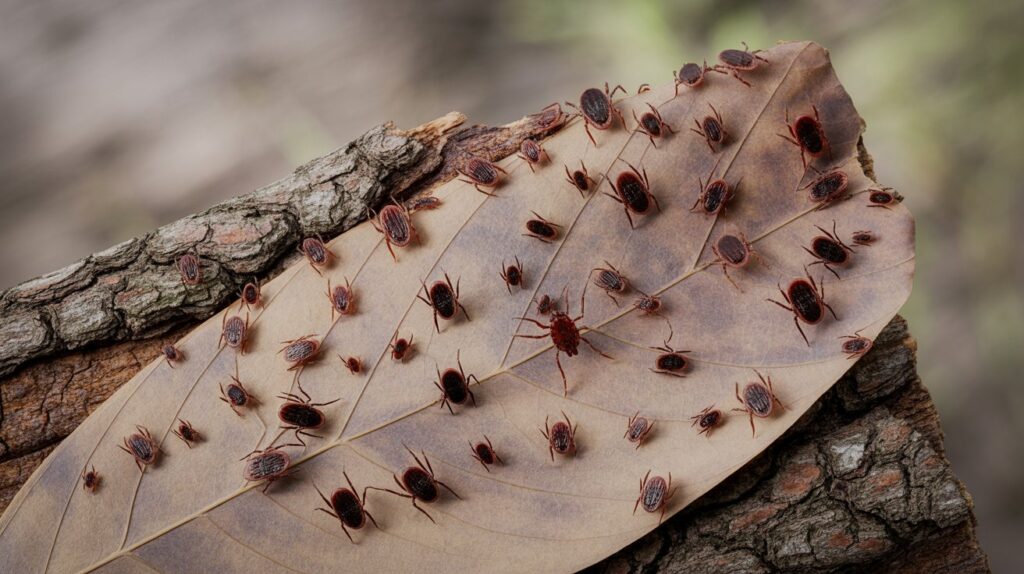
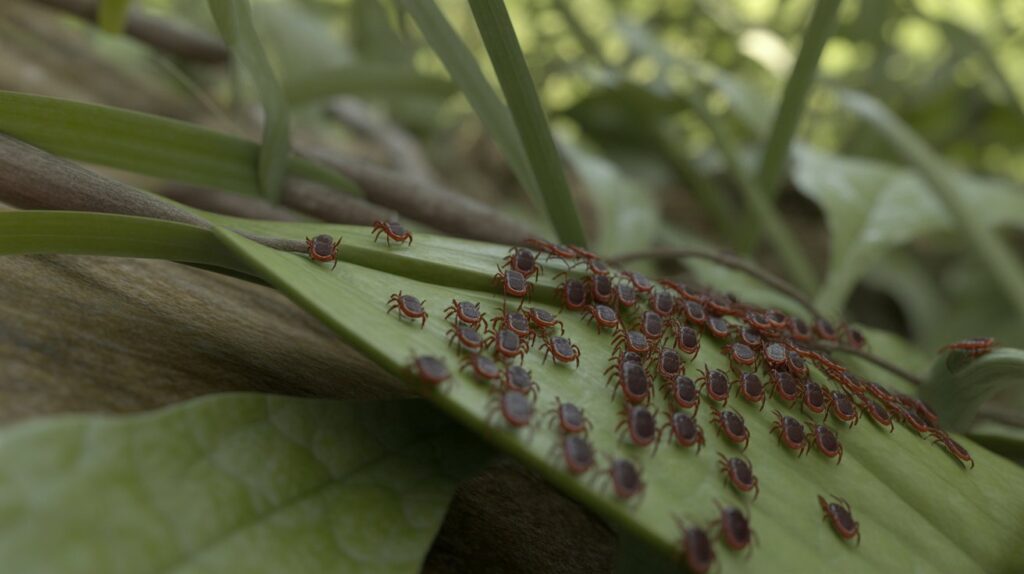
Seed ticks are common in grassy, wooded, or brushy areas, and they have to wait on vegetation for a host to pass by. Because they can hatch in huge numbers from a single egg cluster, they often gather into large clusters themselves — an event that is sometimes called a “tick bomb.”
Here’s how to spot them:
On Vegetation:
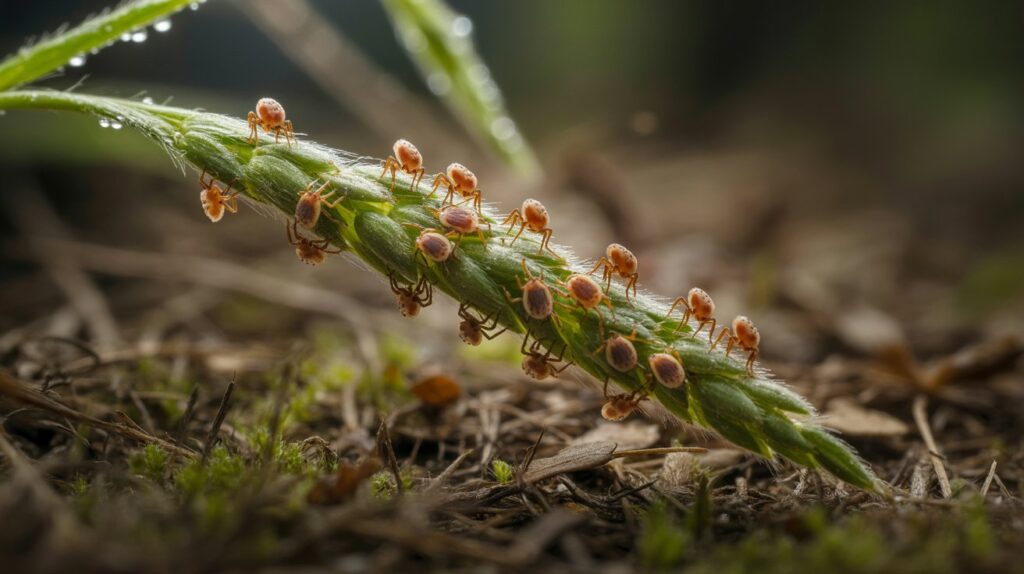
Seed ticks congregate on the ends of grass blades, leaves, and other low-growing vegetation. They hang out there, waiting for a host to brush up against them so they can hook on.
On Clothing:
After outdoor activities, take a close look at your clothes. Seed ticks look like a 95% of the time group of small dark dots, usually balled up in sections around pant cuffs, sock edges, or shirt seams.
On Skin:
The seed tick is so small that it can resemble dirt or a freckle. Peek at the underarms, behind the knees, and in and around the groin for movement or clusters of tiny dots.
On Pets:
Cats and dogs are particularly susceptible. Seed ticks typically affix themselves near the ears, neck, belly, and between the toes. Veterinarian Dr. John Smith adds: “Helping keep pets free from seed ticks involves following a regular schedule of tick checks as well as preventative medications.”
It’s also essential to conduct a full-body tick check after time spent outside. Hold a mirror or have someone help examine hard-to-see places.
Risks Associated with Seed Ticks
Because seed ticks are so tiny and have not had a chance to feed, many people mistakenly think they don’t pose any threat. Although larvae are indeed less likely to transmit diseases, they are not harmless at all.
Irritation and Allergic Reactions:
Seed tick bites can itch, become red and swollen, even without disease transmission. In such people, allergic reactions to propylene glycol and other ingredients come into play.
Secondary Bacterial Infections:
Improper removal is the primary concern for seed ticks. If you do scratch bites or try to pull ticks off in an uncorrected manner, you can break the skin and introduce bacteria, which can cause infection.
Overwhelming Numbers:
One visit to a tick bomb can leave you with dozens or hundreds of bites. Their numbers alone cause severe discomfort and anxiety for people (children) and pets.
Nymph Stage Confusion:
Like I mentioned, what you’re calling seed ticks are nymphs. Nymphs can carry serious diseases, so treating every little tick carefully is a good idea.
Sarah Johnson has had firsthand experiences hiking in the woods: “As an outdoor enthusiast, I have found that when it comes to seed ticks, awareness and preparedness are critical.”
Removing Seed Ticks Safely
Prompt and correct removal of seed ticks is essential to avoid irritation and potential disease. The good news is that larval ticks are easier to detach than embedded adult ticks.
For Ticks in the Larval Stage (Not Attached):
Tape or Lint Roller: Place the sticky side of the Tape or a lint roller down on top. Just roll it against your skin or any clothes to pick up large amounts of seed ticks in seconds.
Double-Check: After removing the Tape, examine your skin to ensure there are no ticks left.
Please dispose of the Tape Safely: Place the strip of Tape or tape sheet in a plastic bag and throw it out.
For Embedded Ticks:
Seeds, ticks, or nymphs that are attached and have started feeding:
1 Use Fine-Tipped Tweezers or a Tick Removal Tool: Grab the tick as close to the skin’s surface as possible. In fact, tools such as the Tick Twister are made explicitly for this function.
Tug upward without pulling away: Do not twist or jerk, as this may cause the mouthparts to break off and remain in the skin.
Clean the Bite: Clean the bite with soap and water.
Apply an antibiotic ointment: Use a triple-antibiotic ointment and cover the bite with a Band-Aid to help prevent infection.
Keep an Eye on the Site: Look out for any signs of infection, like more redness, swelling, warmth, and pus. If you do develop these symptoms, go to your doctor.
Never:
- Smash it with your fingers
- Try to remove ticks with heat, vaseline, or other folklore remedies.
- Scrape or pick at the heart extract bite site
Treating Seed Tick Bites
When seed ticks are removed, adequate aftercare is critical to avoid complications.
Step 1: Clean the Bite Site
Use warm water and soap to clean the area. Any bacteria that were introduced during the bite or removal will be eliminated as a result.
Step 2: Apply Antibiotic Ointment
A light coat of triple-antibiotic ointment will keep the site from getting infected. Apply a small adhesive bandage to keep the bite clean.
Step 3: Monitor for Symptoms
Now watch the site of the bite for a few days. Look for:
- Increasing redness or swelling
- Warmth around the bite
- Pus or discharge
- Fever or flu-like symptoms
Step 4: See a Doctor (if Necessary)
If you experience any of the above, or get a rash (in particular a bull’s-eye shaped one), see your health care provider right away. Though larval ticks do not often transmit diseases, an ounce of prevention is worth several dozen pounds of cure.
For Pets:
If seed ticks do happen to bite your dog or cat, clean the affected area and keep an eye on it for any signs of inflammation or infection. If you’re worried, ask the vet, especially if your pet is displaying any signs of discomfort or illness.
Preventing Seed Tick Bites
An ounce of prevention is worth a pound of cure. Being proactive can go a long way in helping you to avoid seed ticks.
Wear Protective Clothing:
If hiking, camping, or walking in grassy or wooded areas, wear long sleeves, long pants, and closed-toe shoes. Pull your pants into your socks to block ticks from crawling up your legs.
Use Insect Repellent:
Put on insect repellent with DEET or picaridin on exposed skin. To take an additional layer of protection, treat your clothing and gear with permethrin, which will kill ticks on contact.
Stick to Trails:
Don’t walk through tall grass, brush, or leaf litter where ticks live. Remain in the middle of trails when you can.
Perform Tick Checks:
Check yourself/your children & pets for ticks after being outside. Be sure to get behind the ears, in the underarms, and around your waistband.
Use Lint Rollers:
If you have one, carry a lint roller to remove ticks from your clothing before they engorge themselves on your skin.
Maintain Your Yard:
If you are in an area where there are ticks, mow the grass and get rid of leaves, tall grasses, and brush. Create a wood chip or gravel barrier around your lawn in wooded areas.
Protect Your Pets:
Apply vet-recommended products for tick prevention to your dogs and cats. Check their coat regularly, particularly after outdoor playtime.
Seed Ticks in the House
If seed ticks enter your house, you must act quickly to prevent them from infesting your home or getting on someone.
Immediate Steps:
Remove Clothing Carefully. If you may have brought seed ticks into your house, take off your clothes in an enclosed space like a bathroom or laundry room.
Wash Clothes with Hot Water:
Wash with hot water and dry in high heat to get rid of any other ticks.
Vacuum Clean:
Vacuum all floors, furniture, and other surfaces such as pet beds where ticks can hide. Dispose of or empty the vacuum bag canister outdoors as soon as it is used.
Check Pets:
Check your pets for ticks and bathe them if needed.
Long-Term Prevention:
- Caulk gaps and holes around windows and doors to keep ticks out.
- Maintain the outdoors to Reduce Tick Habitats Close to Home.
What Does a Seed Tick Look Like?
Seed ticks are minute, so they may go unnoticed. Here’s what to watch for:
- Size: Around the size of a poppy seed or a grain of sand
- Colour: Generally dark brown to black, sometimes reddish-brown
- Legs: Six legs (larvae), eight (nymphs)
- Appearance: clustered clods, look like a spot of dirt on the move
Due to their tiny size, seed ticks may be mistaken for dirt, freckles, or other skin flaws. “Keep your eyes peeled and look for movement.
Seed Tick FAQ’s
What is a seed tick?
A seed tick is usually a recently hatched, unfed larval stage of the tick. Then there’s the term applied to tiny ticks, including nymphs.
Can seed ticks carry diseases?
Because they have not yet fed, larval stage seed ticks don’t transmit diseases. But ticks in the nymph stage can transmit pathogens like Lyme disease.
How do you remove seed ticks from dogs?
Use a lint roller or Tape to pick up seed ticks from your dog’s coat. For ticks that are buried, find some fine-head tweezers or a tick removal device. Speak with your vet about tick prevention medicines.
What do seed tick bites look like on a human?
Seed tick bites are red, raised bumps and they are usually grouped together. They can be itchy, red, or swollen.
How do you kill seed ticks in your house?
Of those, wash clothes in hot water, vacuum as much as you can very thoroughly, and take your dirty vacuum bags outside. Identify and seal entrance points to avoid future infestations.
Are seed ticks dangerous?
Although the larval stage seed ticks are less susceptible to disease transfer, pruritus, allergic reactions, and secondary infections following inappropriate removal of ticks can still occur. Nymphs are a greater public health concern.
What is a tick bomb?
A tick bomb is a cluster of larval ticks hatched at the same time from one egg mass. They tend to travel as a mass of minute ticks.
How do I avoid bites from seed ticks?
Wear protective clothing, apply insect repellent, stay on trails, and do tick checks in your yard.
Stay Protected and Informed
Seed ticks may be tiny, but they are a significant source of discomfort and worry for anyone who loves the outdoors, pet owners, and families. Just by learning about what seed ticks are, how to spot them, and the best ways to remove or avoid them, you can help keep yourself and your friends and family safe from these pesky pests.
Be sure to do a thorough tick check after outdoor activities, use protective measures such as insect repellent and appropriate clothing, and keep your yard maintained to reduce tick habitat. When you find them, you may have to take quick action to pull seed ticks off of you and monitor your bite sites for signs of infection.
Pass along this guide to the hiker or pet owner in your life, and anyone else who enjoys spending time outside. The best way to not get seed ticks and the myriad of issues that come with them is by being informed and ready.