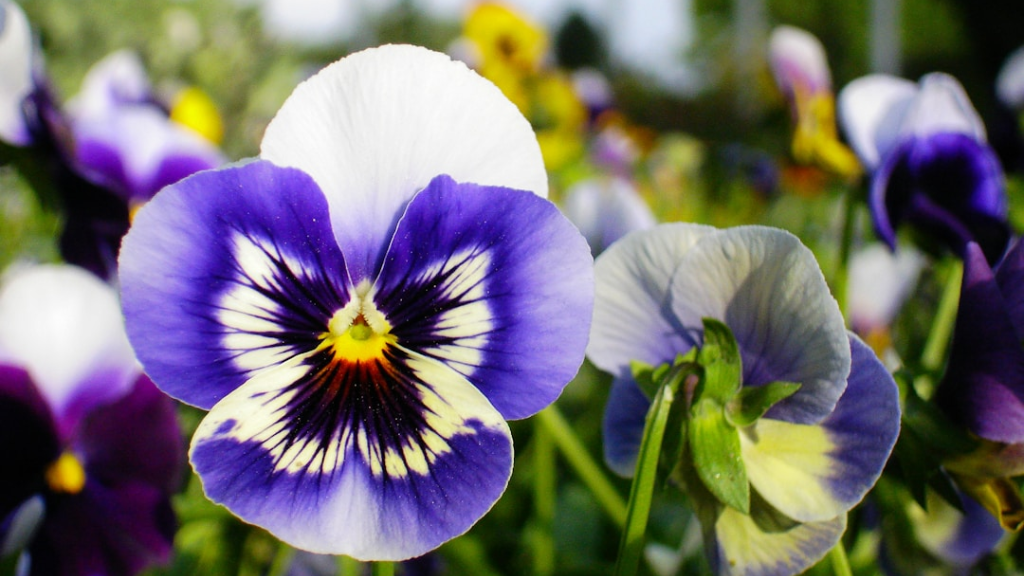
With their smiling “faces” and bright colours, pansies have long been a favourite flower of gardeners — and with good reason. The hardy flowers can add colour to the garden during cooler months, too: They’re among the first to bloom in spring and one of the last to fade in fall. They are named for the French word pensée, meaning “thought”, and they’ve long symbolized remembrance and love. This means they are not only nice-to-have in the garden, but also provide some service.
Whether you are an experienced gardener or a beginner, pansies provide rewarding results. They are relatively easy to grow and put on a beautiful show of colour when other plants are asleep. This article will cover everything you need to know, from planting pansy seeds to how long pansies last. You’ll discover when to plant, how to tend them in various conditions and also how to solve common problems you might have along the way. Prepare to flood your garden with the cheerful appeal that is pansies.
How to Get Pansy Seeds from Plants?
Harvesting pansy seeds from plants involves allowing the flowers to mature and go to seed. Once the blooms fade, seed pods will begin to form where the flowers were. Allow these seed pods to dry completely on the plant, turning brown and becoming brittle. When ready, carefully collect the pods, as they may burst and scatter seeds when handled. Break open the dry pods and extract the seeds, making sure they are fully dry before storing them. Store the seeds in a labeled, airtight container in a cool, dry place until you are ready to plant them. Keep in mind that seeds from hybrid varieties may not produce plants identical to the parent plant.
Best Time to Plant Pansies: A Guide for Your Climate
One of the most frequently asked questions by gardeners is when to start pansy seeds. That really depends on the weather where you leave. Pansies do well in cool weather and can tolerate a light frost, so their planting schedule doesn’t have to be as rigid as other flowers.
For Cooler Climates (Zones 3-7)
In cold-winter areas, pansy seeds are planted in early spring. Pansies can be started indoors from Seed 8-10 weeks before the last frost date. This gives the pansy seedlings a terrific head start. Transplant your seedlings outdoors when the ground has thawed and is workable. This early foliage ensures that they establish and start blooming as quickly as possible once the weather warms up, providing colour in spring to early summer. In addition to now, a suitable time for planting pansies is in late spring when the summer afternoon temperatures are inching up ever so slightly.
For Milder Climates (Zones 8-11)
In regions with mild winters and hot summers, late summer (or early fall) is the best time to plant. Seeding Pansies at this time (early fall) gives the plants enough time to let their roots take hold before the cold of winter sets in. They will then come into bloom again in autumn and winter, adding a splash of much-needed colour when most other plants have gone dormant. These pansies, which we plant in the fall frequently, flower until spring and then stop flowering once the summer heat becomes too strong.
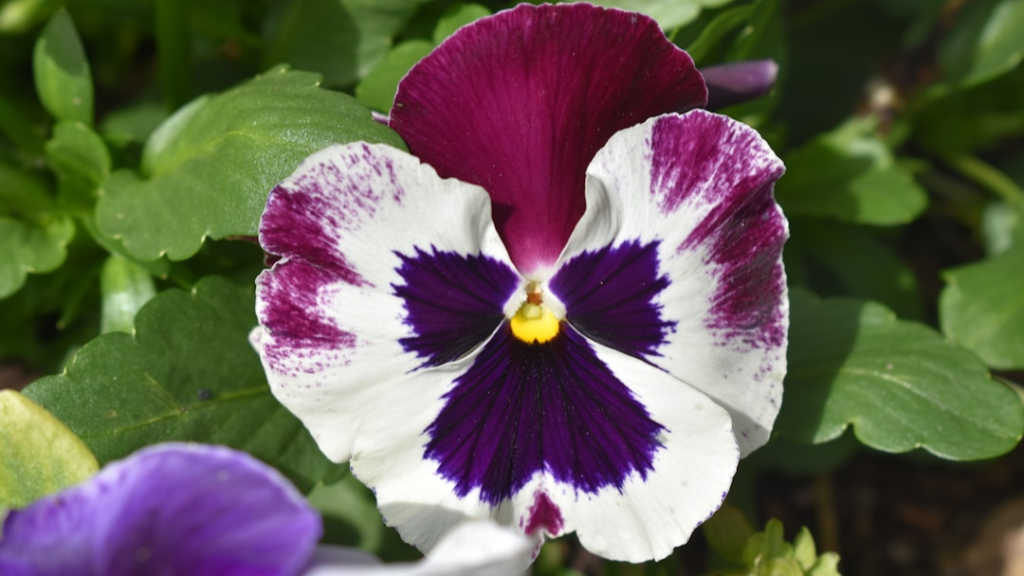
Knowing your climate zone is a key factor in determining pansy-planting timing. This guarantees that you’re cooperating with the weather, not fighting it, thereby providing your pansies with the very best opportunity for success.
Step-by-Step Planting Instructions
The process is simple, whether you’re starting with pansy seeds or nursery plants. By following these steps on how to plant pansies from Seed or transplants, you’ll be giving yourself a great head-start toward a successful, bloom-filled season.
Starting Pansies from Seed
- BeginXTEndWrite Quotes: “Growing pansies from Seed is an economical means to obtain a large number of plants. A pansy’s life cycle begins here, and it is a rewarding one to observe.
- Timing is Everything: Sow your pansies seeds indoors 8 to 12 weeks before planting out. This lead time is crucial.
- Get Your Seed Trays Ready: Fill seed-starting trays or small pots with a good-quality seed-starting mix. Moist the soil in advance, and Sprinkle Be-1 lightly before seeding.
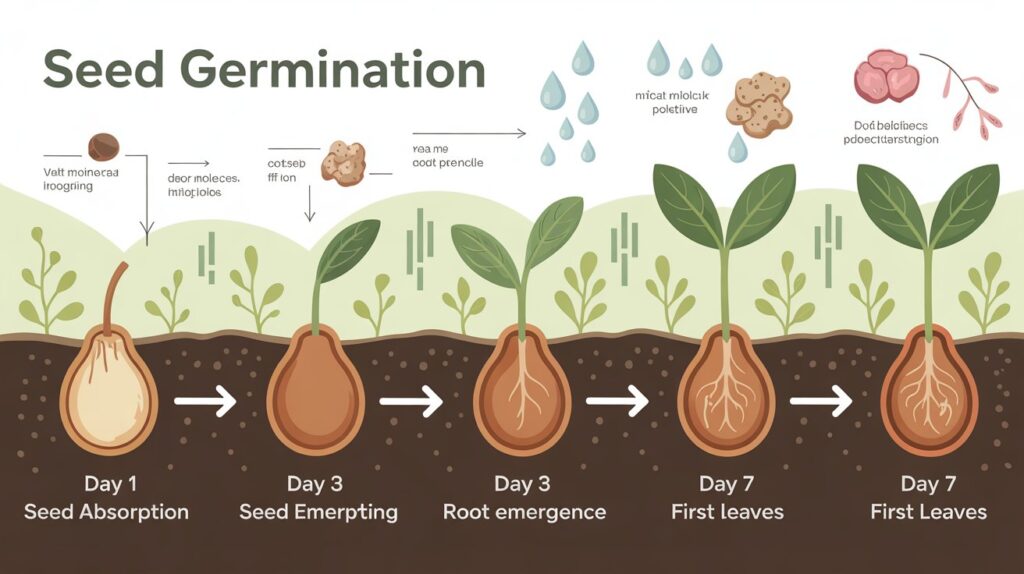
- Sow Seeds: Pansy seeds are tiny. Scatter them thinly over the soil. Pansy seeds, according to Fontana Seeds, germinate best when placed in a position of light—press them slightly into the soil so that they are hardly covered with it.
- Give Light and Warmth: Find a warm location that receives lots of indirect light. The perfect time for germinating pansies is 7 to 14 days with a temperature range of between 60 -65°F (16-18 °C).
- Maintain Moisture: Mist the soil often to ensure it’s consistently moist without being soaked. You should see little pansy sprouts in one to two weeks.
- Care of Pansy Seedlings: When the pansy seedling has its second set of true leaves, thin them out to avoid overcrowding. If you began them in one tray, it’s now time to transplant into individual pots.
- Harden Off: Harden off pansy seedlings about a week or two before planting outside. Begin by spending a couple of hours in a sheltered, shady location and gradually increase the time and sun exposure day over day.
Transplanting into the Garden
If you’ve bought young pansy plants or have your own hardened-off seedlings, it’s time to get them into the garden.
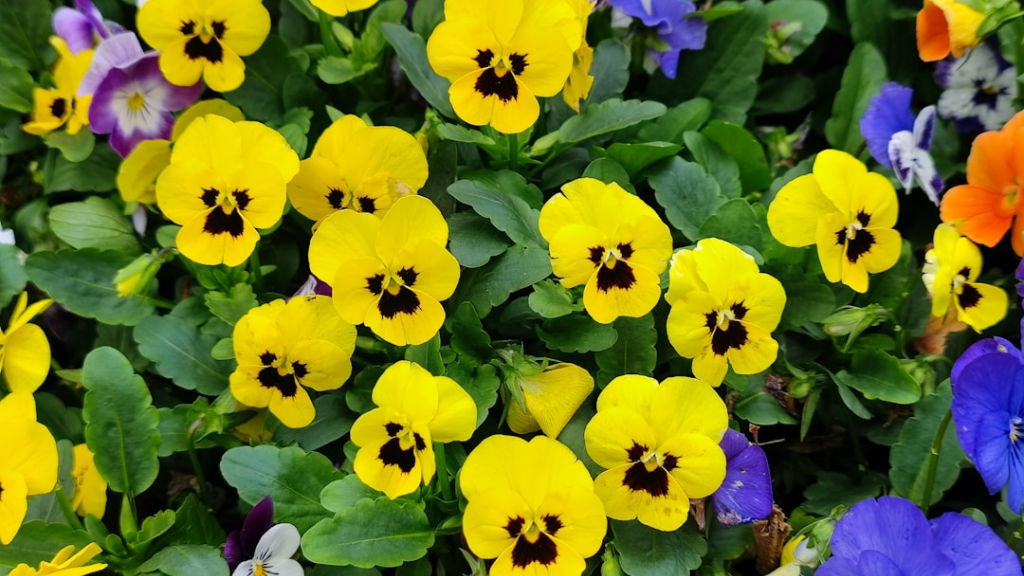
Select only the Sunniest Spot: Try to locate a place where it receives or can be exposed to six hours of sunlight, no matter how you turn around your BBQ. In warmer regions, morning sun and afternoon shade are the best spots.
Soil Preparation: Pansies do best in a well-drained soil with plenty of organic matter. Add some compost or another type of organic matter to the top 6-8 inches of your garden bed.
Dig the Holes: Dig holes slightly larger than your plant’s root ball. Space them 6 to 10 inches apart for good air circulation and room to grow.
Plant the Pansies Carefully remove each plant from the container without disrupting the roots. Set it in the hole with the top of the root ball even with or just above ground level.
Backfill and Water: Now fill the hole with soil and tamp lightly around the base of the plant. Water the new planting thoroughly to settle the soil and help minimize transplant shock.
How to take care of a Pansy: Light, Watering & Soil
It’s after planting that proper care of pansies is going to keep them looking their best. These happy flowers are low-maintenance, but some basic care will help keep them looking their best.
Sunlight Needs
Do Pansies Need Sun or Shade is a question that I have been asked in my comments and emails, also. Pansies do best when they receive at least 6 hours of sunlight each day. This level of sunlight is necessary to achieve prolific blooming. Full sun all day is fine in cooler climates. But in areas with scorching summer heat, they could use some afternoon shade. The cooler morning sun and shade in the heat of the day help keep them erect, so they bloom longer. Your pansies are beginning to look “leggy,” or have long, spindly stems, and with more sun comes more flowers.
Watering
Even moisture is essential for pansies. Soil should be kept moist but never soggy. One of the most significant problems for these plants is overwatering, which can result in root rot. That works to water the plants deeply when the top inch of soil feels dry to a fingertip. You should water more often during times of heat or drought. Pansies planted in containers will also dry out more quickly than those in garden beds, so be sure to check for moisture each day thoroughly. Mulching the area around the plants will conserve moisture and cool their roots.
Soil Requirements
Pansies thrive in rich, well-draining soil. They like a slightly acidic pH 6.0-6.2 for good colour and growth of foliage, flower spike. Before you plant, amend your garden soil with organic materials, such as compost or well-rotted manure. This not only adds nutrients to the soil but also improves its drainage and structure. When planting in containers, use a good all-purpose potting mix. Throughout their growing season, feed your pansies a balanced liquid fertilizer every 2 to 4 weeks for a little extra nutrition.
Prolonging Time: Deadheading and Maintenance
An outstanding feature of pansies is their long flowering season. With a bit of regular maintenance, you can even get your plants to flower continuously from spring until the summer heat peak or well into fall and winter in milder zones. The one-bed maintenance measure that is most useful for this is deadheading.
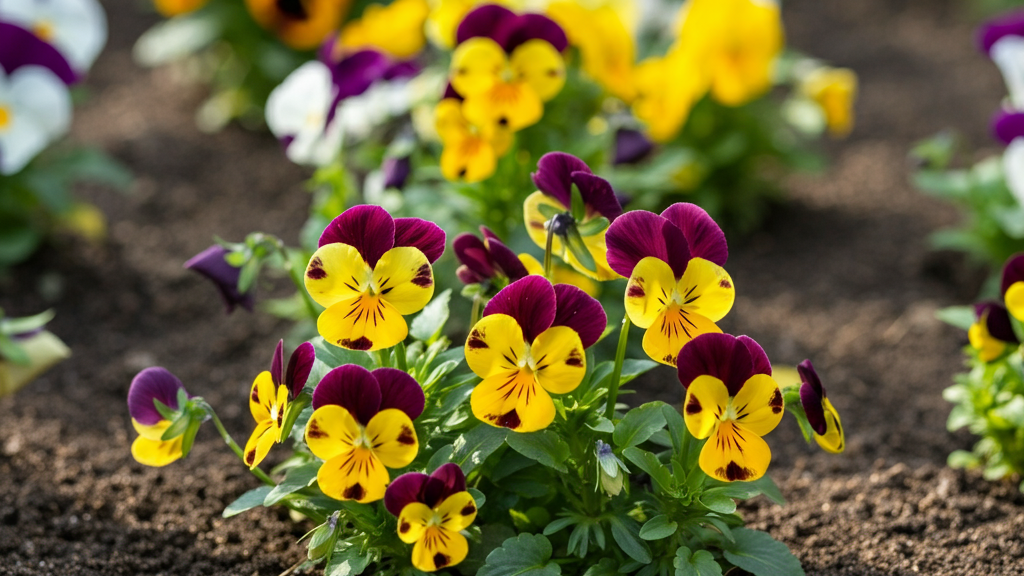
So simple to do, deadheading means removing spent or faded flowers. When a pansy flower is dead, the plant’s resources change to forming seeds. If you know how to harvest pansy seeds from your plants, you can allow a few to go to Seed at the end of the season. But throughout the primary pansy growing season, cutting off spent flowers tells the plant to put its energy back into producing more flowers.
To deadhead a pansy, pinch or snip off the entire flower stalk rather than just the petals. Follow the dead flower down to its stem and cut it off at the base. This not only encourages new growth, but also helps keep the plant neat looking and staves off diseases that may set in if dead leaves pile up. Become a deadheading pro — spend a few moments with your pansies every couple of days, giving them a quick once-over for spent flowers.
Common Problems and Solutions
You could still have some problems with your pansies even when giving them the best of care. Here’s what you need to know about what could go wrong and how to fix it:
Pests: The most common visitors are aphids and slugs. Aphids are tiny, soft-bodied insects that gather on new growth, and slugs will eat through the leaves. You can knock off aphids with a forceful spray of water or apply insecticidal soap. Slugs can be picked off by hand (preferably in the evening) or controlled with slug bait.
Diseases: They are generally not threatened by pests, but these plants can suffer from root rot and other fungal diseases such as powdery mildew — especially in conditions that are too wet or humid. Keep the soil well-drained and ensure that plants have good air-flow around them. Don’t use overhead watering, which makes foliage wet. If you spot signs of fungus, pick off the affected leaves at once.
Leggy Growth: If your pansies grow tall and Lanky with few flowers, chances are they’re not receiving enough sunlight. This is a common problem when wondering whether pansies prefer sun or shade. They want at least six hours of sun. If your plants are leggy, you can experiment with giving them a sunnier spot.
Yellow Leaves: It might also mean you are overwatering or your plant is lacking a nutrient. Check the soil moisture first. Cut back on watering if the soil remains consistently damp. If the soil looks fine, you need to fertilize your plants. A well-balanced, all-purpose plant food might help.
No Flowers: If your zinnia patch doesn’t produce flowers, it is a result of too little sun and not deadheading. Make sure your plants are in full sun or getting plenty of light, and be ruthless about deadheading spent flowers to stimulate new bloom production.
Pansies in Containers and Baskets
Pansies are fantastic container plants. They are great for hanging baskets, window boxes and pots. Small & compact, filled with a riot of colour to brighten up patios, balconies and front porches.
Drainage: To avoid waterlogging, plant pansies in a container with drainage holes. This type of potting mix is not only moisture-retaining, but also drains well. Max of 6 to 8 pansies in a 10-12 inch (25-30cm) hanging basket. That way, they have a little room to expand without getting crowded.
Potted pansies need watering and feeding more often than those in the ground, since the soil dries out more quickly and nutrients are washed away with each watering. Monitor the soil daily and water whenever the top inch feels dry. Fertilize with a balanced liquid fertilizer every 2-3 weeks to encourage abundant blooms. Pansies also look stunning combined with other spring-flowering cool-season annuals such as violas, primroses or trailing ivy in mixed containers.
Your Pansy Garden Awaits
Pansies stand for more than beauty, however: these hardy little plants are rugged and incredibly adaptable to a wide range of landscapes—pansies from Seed. Even though pansy seeds are tiny, the previous growing tips will make it easier for you to grow pansies from Seed! By accommodating their wants — which in our case here involves knowing what time of the year you should be planting for your climate and how much sun and water you need to provide, as well as the simple act of deadheading — they’ll give you a show that can last months.
Or you can trim your beds with them or stick them in the crannies of rockeries—they’re happy in containers and hanging baskets too: they’ll grow from low stumps into a bloom-covered shrub. And seeing their happy faces is a great reward for your efforts. We hope this guide has you excited to include pansies as a star in your garden this year.
Frequently Asked Questions
How long does it take to grow a Pansy from Seed?
You can generally expect pansy seeds to germinate and bloom 8 to 12 weeks after seeding. Sowing seeds indoors well in advance is your ticket to having flowers come the beginning of the growing season.
Do you soak pansy seeds before planting?
A soak isn’t necessary, though if you’re in a hurry to get them germinating, it might shave off some time. Soaking the little pansy seeds in tepid water for a few hours to soften their seed coat is optional.
What temperature do pansy seeds need to germinate?
Pansy Seed germinates most frequently at a constant temperature of 60-65°F (16-18°C). Pansy germination typically occurs within 7-14 days under these idyllic conditions.
Are pansies self-seeding?
Pansies will self-seed occasionally in the garden, but that is relatively unreliable. Hybridization means the resultant offspring from these pansy seeds may not resemble the parent plant at all. Most gardeners grow them as annuals and replace them each year.
How long do pansy plants live?.
Pansies are, in fact, short-lived perennials and can survive for 2-3 years in cool climates. But in the vast majority of hot summer or cold winter gardens, they are grown as annuals and complete their life cycle in a single year.