That tiny, tricky bit of skin on the bottom of your foot may look like a callus, but if it’s uncomfortable when you touch it, you might have a seed corn on foot. Although they are usually benign, these small areas of hardened skin can be very painful and interfere with your daily routine. The first step to relief is understanding what a seed corn on foot is, what causes it and how to treat it.
Many people confuse a foot seed corn with other common skin issues, such as plantar warts or regular calluses. However, their unique characteristics and causes require a specific approach to treatment and prevention. A seeded corn is not just a irritation; it’s your body’s signal that a particular area of your foot is under excessive stress.
This complete guide will walk you through everything you need to know about seed corn on foot. We will cover how to identify them, explore the underlying causes and risk factors, and outline the most effective treatment and prevention strategies. By the end of this post, you’ll have a clear understanding of how to manage this painful foot condition and when it’s time to seek professional help from a podiatrist.
What is Seed Corn on Foot?
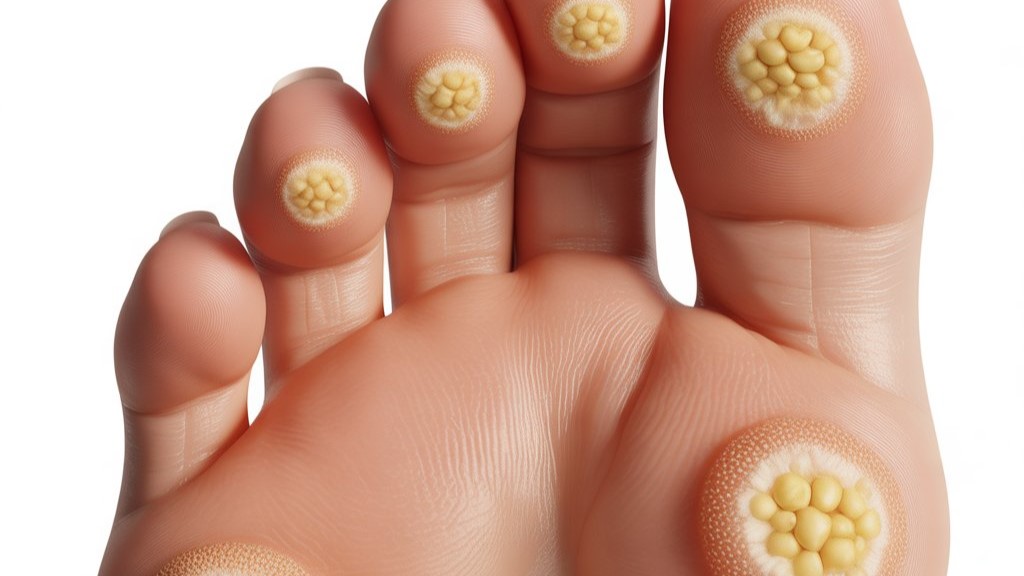
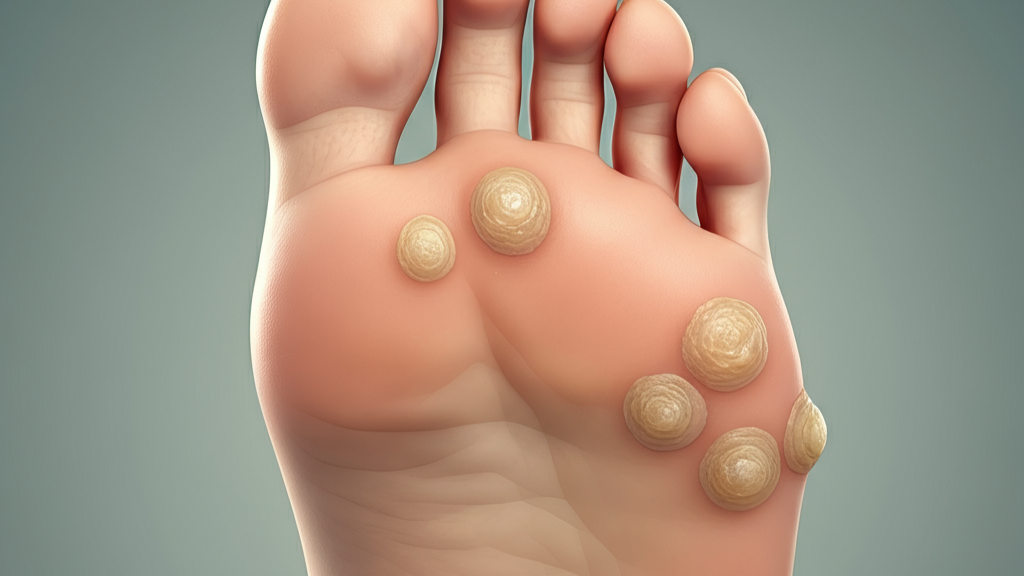
A seed corn, medically known as heloma miliare, is a small, well-defined circle of thickened, dead skin. Unlike larger, more irregularly shaped calluses, seed corns are tiny and often appear in clusters. They typically form on the weight-bearing parts of the foot, most commonly the sole, the ball of the foot, or the bottom of the heel. The name “seed corn” comes from their appearance—they can look like tiny seeds embedded in the skin.
While they are a type of corn, they differ from hard and soft corns that usually appear on or between the toes. A seed corn callus is often painful when direct pressure is applied, such as when walking or standing, making it a persistent source of irritation.
Seed Corns vs. Calluses and Plantar Warts
It is easy to misdiagnose a foot seed corn, so understanding its distinct features is crucial.
- Seed Corns: These are small, circular, and clearly defined. They often feel like a tiny pebble under the skin and are painful when pressed. They typically appear on the bottom of the foot.
- Calluses: A callus with a seed might be confusing, but standard calluses are larger, more spread out, and have an irregular shape. They are generally painless areas of thickened skin that form to protect the foot from prolonged friction.
- Plantar Warts: Warts are caused by a viral infection (HPV) and are characterized by the disruption they cause to the natural lines of your skin. They often have tiny black dots, which are clotted blood vessels. Warts can be painful when squeezed from the sides, not just from direct pressure.
Knowing the difference is key to effective treatment, as each condition requires a different approach.
What Causes Seed Corns on Feet?
Seed corns develop as a protective response to localized friction and pressure. However, several specific factors can contribute to their formation.
- Ill-Fitting Shoes: This is one of the most common culprits. Shoes that are too tight, too loose, or have high heels can create concentrated pressure points on the soles of your feet, leading to the development of a seed corn on the bottom of your foot.
- Foot Deformities: Conditions like bunions, hammertoes, or flat feet can alter the biomechanics of how you walk. This shift in pressure distribution can overload certain areas of the foot, making them more susceptible to developing seed corns.
- Dry Skin: Skin that lacks moisture is less supple and more prone to forming thickened patches, such as corns. Dry skin can sometimes be a primary cause of a seeded corn.
- Excessive Pressure: Standing or walking for long periods, especially on hard surfaces, can increase pressure on the feet. Athletes and individuals in certain professions are often at higher risk.
- Clogged Sweat Ducts: Some research suggests that clogged sweat ducts on the soles of the feet can lead to the formation of seed corns. This condition can trap sweat, triggering a localized reaction that forms a small, hard skin kernel.
- Lack of Cushioning: Wearing shoes without adequate support or walking barefoot frequently can also contribute to the friction that causes seed corns on the soles of the feet.
How to Identify and Diagnose a Seed Corn
Identifying a seed corn on your foot usually involves a simple physical examination. A podiatrist will look for specific signs and symptoms to make an accurate diagnosis.
Appearance and Location
Seed corn on foot are typically easy to spot if you know what to look for. Key visual indicators include:
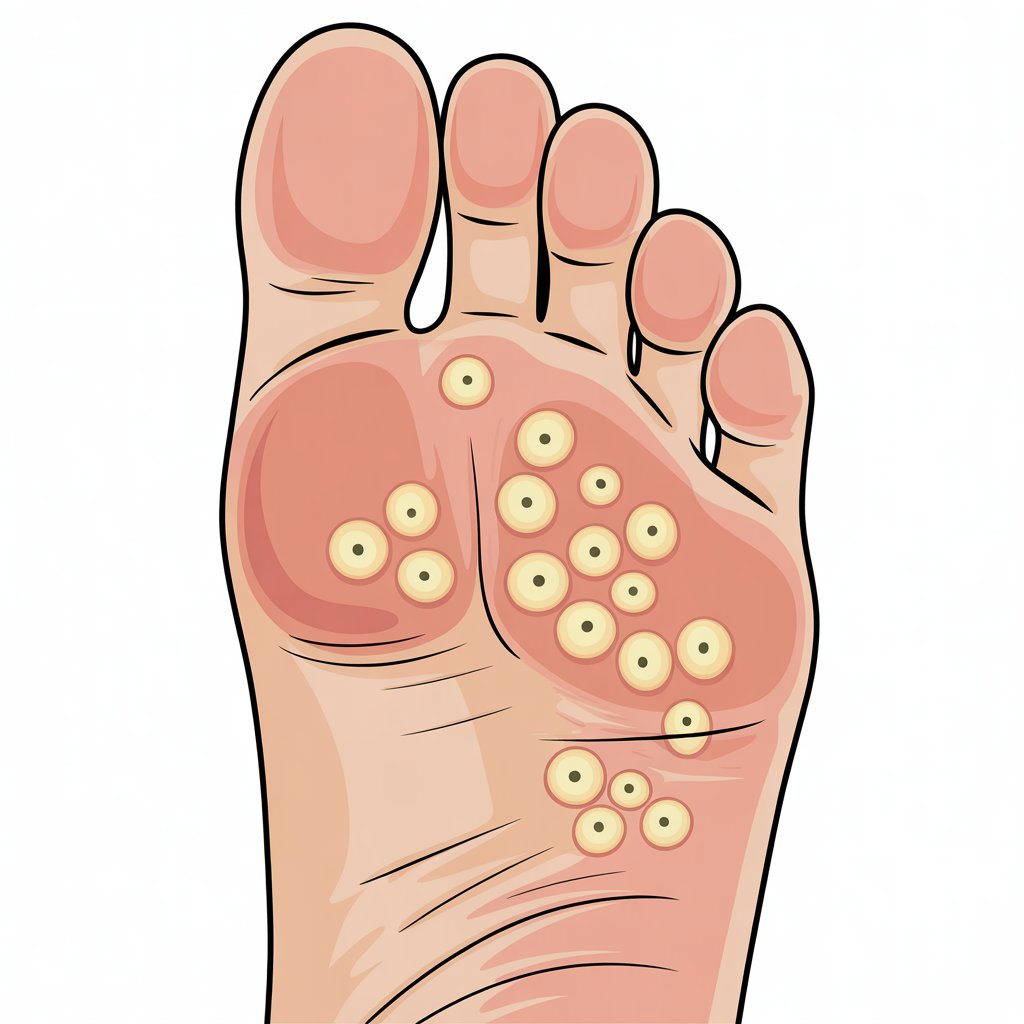
- Appearance: Small, round, well-defined areas of thickened skin. They can appear yellowish and have a central core resembling a tiny seed. Seeing pictures of foot seed corn online can help you compare what you see on your foot.
- Location: Most commonly found on the sole, either on the heel or the ball of the foot. They can appear as a single seed callus or in clusters. It’s less common but possible to find a seed corn on a toe.
Pain and Sensation
The primary symptom that brings people to a podiatrist is pain.
- Pain: A seeded corn on the bottom of the foot is often painful when direct pressure is applied. It may feel like you are stepping on a small stone.
- Tenderness: The area around the corn may be tender to the touch.
Professional Diagnosis
If you are unsure whether you have a seed corn, callus, or wart, it’s best to consult a podiatrist. A foot specialist can accurately diagnose the condition through a physical exam. In rare cases where the diagnosis is unclear, the podiatrist might pare down the thickened skin. If it’s a wart, tiny bleeding points may appear. If necessary, a small tissue sample might be taken for a biopsy to rule out other skin conditions.
How to Get Rid of Seed Corns
The treatment of a seed corn on your foot involves not only removing the present corn, but also treating the underlying problem that led to its formation to prevent it from happening again. It’s a treatment you can either have done in a spa or at home.
At-Home Treatments
For mild cases, you can try several at-home remedies:
- Soak and File: Soak your feet in warm, soapy water for 10-15 minutes to soften the skin. Gently file the surface of the seed corn callus with a pumice stone or foot file. Be careful not to file too aggressively, as this can cause bleeding or infection.
- Moisturise: Regularly apply a thick moisturizer or foot cream to keep your skin hydrated. This can help soften the corn and prevent dry skin, both of which are contributing factors.
- Salicylic Acid Pads: Over-the-counter corn plasters or pads containing salicylic acid can help dissolve the thickened skin. Follow the product instructions carefully, as salicylic acid can irritate the surrounding healthy skin. Individuals with diabetes or poor circulation should avoid these treatments.
- Proper Footwear: Switch to comfortable, well-fitting shoes that provide ample room for your toes and have good cushioning. This is a crucial step in permanently getting rid of seed corns.
Professional Podiatric Treatment of Seed Corn on Foot
If at-home treatments are ineffective, or if the corn is very painful, a podiatrist can offer more advanced options:
- Debridement: A podiatrist can safely trim or pare the thickened corn with a sterile surgical blade. This procedure is painless as it only removes dead skin, and it provides immediate relief from pressure.
- Custom Orthotics: If the problem is related to a foot deformity, a podiatrist might recommend custom shoe inserts (orthotics). These pads redistribute pressure on your foot, alleviating strain on the corn and preventing it from occurring again.
- Addressing Clogged Ducts: If clogged sweat ducts are suspected, a podiatrist can recommend specific treatments to manage the condition.
How to Prevent Seed Corn on Foot
Prevention is always the best strategy. Once you know how to remove a seed corn, the next step is to ensure it doesn’t come back.
- Wear Properly Fitting Shoes: This is the most important preventive measure. Have your feet professionally measured, and choose shoes with a wide toe box and low heels.
- Use Cushioned Socks: Wear socks that provide cushioning to reduce friction between your feet and shoes.
- Keep Feet Moisturized: Apply a high quality foot cream daily to prevent dry skin.
- Inspect Your Feet Regularly: Check your feet for any signs of redness or irritation, especially if you have foot deformities or are prone to corns. Early detection can prevent them from becoming painful.
- Consider Custom Orthotics: If you have an abnormal gait or foot structure, custom orthotics can help prevent long-term problems.
Complications of Untreated Seed Corn on Foot
While a single seed corn may seem like a minor issue, ignoring it can lead to more serious problems:
- Increased Pain: Untreated corns can become larger and more painful, making it difficult to walk or stand.
- Gait Problems: To avoid pain, you might unconsciously alter your gait. This can lead to new pressure points and potentially cause issues with your knees, hips, or back.
- Infection: If the skin around the corn breaks, bacteria can enter and cause an infection. Signs of infection include redness, swelling, pus, and warmth. This is a serious risk, especially for individuals with diabetes or compromised immune systems.
- Ulcers: For people with poor circulation or diabetes, an untreated corn can break down and form an open sore (ulcer), which can be challenging to heal and may lead to severe complications.
Your Next Steps for Healthy Feet
Nothing is more annoying than a seed corn on the foot. However, once you know how to treat and prevent them, they are easy to deal with. Keep in mind that seed corns are a manifestation of a problem your body is signalling, most often due to pressure or friction. Maintain healthy, pain-free feet by wearing the right shoes, applying moisturizer, and treating the root cause of a foot deformity.
If you are dealing with stubborn or painful seed corns, or if you have diabetes or poor circulation, do not try to manage them at home. For lasting relief and to prevent a return, the professional care of a podiatrist is both the safest and most effective choice.
Frequently Asked Questions (FAQs)
What does a seed corn on foot look like on the bottom of your foot?
A seed corn on the bottom of your foot looks like a small, circular, well-defined patch of hard, thickened skin. It often has a central core resembling a tiny embedded seed and can appear yellowish. They are typically found in weight-bearing areas, such as the ball or heel of the foot.
What is the fastest way to get rid of a seed corn of foot?
The fastest way to get immediate relief from a painful seed corn is to have it professionally debrided (trimmed) by a podiatrist. For at-home removal, consistently using salicylic acid treatments combined with soaking and filing the area can speed up the process. However, addressing the root cause — such as ill-fitting shoes — is essential for a permanent solution.
Should I dig out a seed corn on foot?
No, you should never try to dig out or cut a seed corn yourself. Using non-sterile tools can lead to deep tissue damage, severe pain, and a high risk of infection. This is especially dangerous for individuals with diabetes or poor circulation. Always seek professional help from a podiatrist for safe removal.
Can a seed corn on foot fall out on its own?
While it’s possible for the hard central core of a seed corn to eventually work its way out if the source of pressure is completely removed, it is uncommon for it to simply “fall out.” More often, the thickened skin remains and can continue to cause pain until it is adequately treated and the underlying pressure is addressed.