It may come as a surprise, then, that as you read this, olive seeds—colloquially referred to as olive pits—are being hailed as a treasure trove of bioactive compounds comparable in function to olive oil itself.
Indeed, known for many years to scientists and industrialists as a useless byproduct of olive oil manufacturing, destined for plain disposal, recent scientific endeavours have proven this claim wrong, showcasing the expendable potential of a seemingly hard, small pit. With more than 3 million tons of olive oil being manufactured annually, millions of tons of olive seeds are simultaneously going to waste, despite being rich in dietary fibre, protein, healthy fats, and antioxidants.
From direct benefits in supporting heart health to indirect implications in battling cancer, olive seeds are receiving merited attention from the scientific community as a functional food.
This paper, consequently, is a detailed analysis of its nutritional composition, scientifically evidenced health benefits, and potential for waste-product transformation.
What Makes Olive Seeds Nutritionally Valuable?
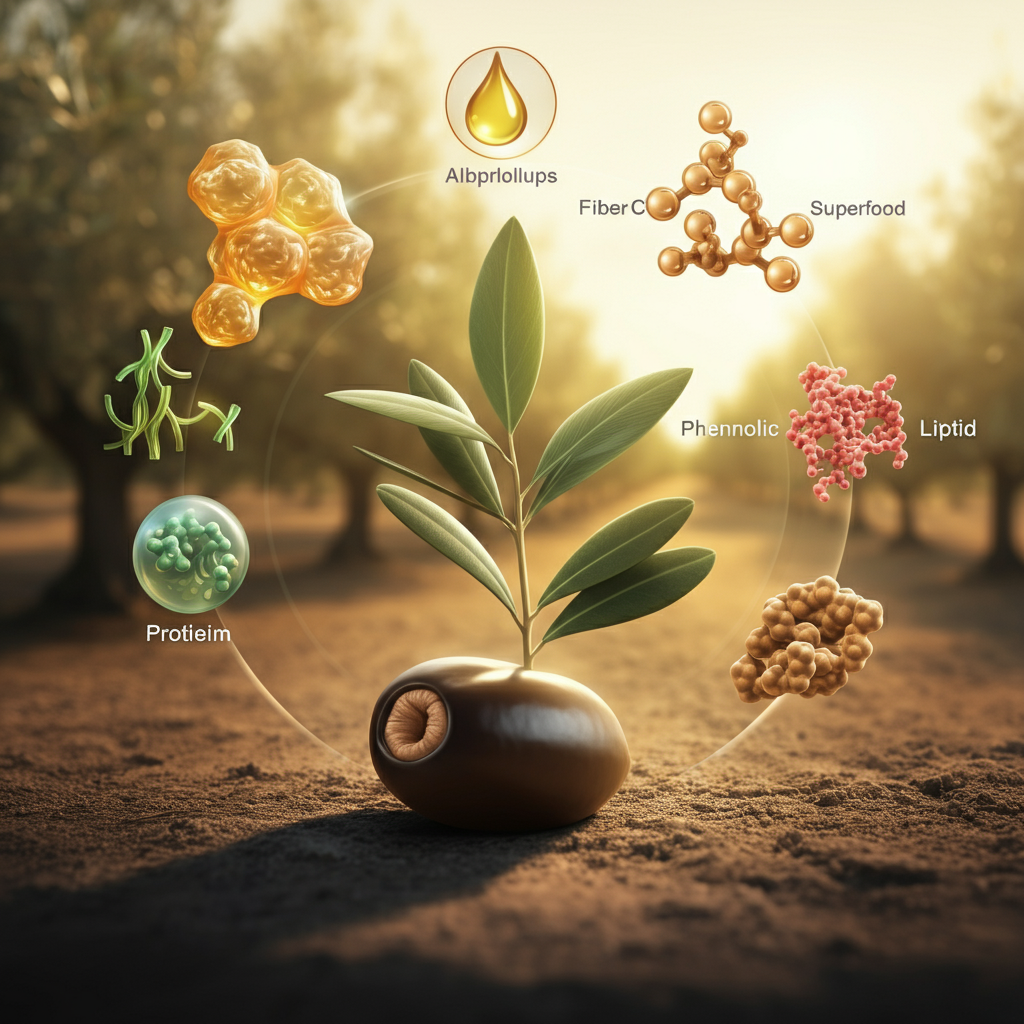
Olive seeds (Olea europaea) possess a unique nutritional profile that distinguishes them from many other plant-based ingredients. According to research published in Food Bioscience, olive seeds contain approximately 45% dietary fibre, 35% lipids (fats), and 15% protein—a composition that makes them particularly interesting for both nutritional and industrial applications.
The Fibre Advantage
Nearly half of an olive seed’s composition consists of dietary fibre, primarily insoluble types such as cellulose, hemicellulose, and lignin. These fibres enhance digestive health, promote satiety, and may help regulate blood sugar levels. In comparison, most whole grains contain only 10-15% fibre, making olive seeds an exceptionally rich source.
Healthy Fats in Balance
The lipid profile of olive seeds closely resembles that of olive oil, with approximately 69% monounsaturated fatty acids (MUFAs), primarily oleic acid. This same fatty acid is credited with many of olive oil’s cardiovascular benefits. Olive seeds also contain moderate amounts of polyunsaturated fatty acids (PUFAs) and low levels of saturated fats—a combination that nutritionists consider heart-healthy.
Additionally, olive seeds are rich in sterols and tocopherols (forms of vitamin E), compounds known for their cholesterol-lowering and antioxidant properties.
Powerful Phenolic Compounds
Beyond macronutrients, olive seeds contain impressive concentrations of phenolic compounds—the same class of antioxidants that make olive oil famous. The two most prominent are:
- Hydroxytyrosol: Present at approximately 105 mg per 100g, this compound has been extensively studied for its antioxidant and anti-inflammatory effects
- Tyrosol: Found at roughly 49 mg per 100g, another potent antioxidant with protective properties
Other phenolic compounds identified in olive seeds include nüzhenide, oleuropein, and various flavonoids. These substances are responsible for the remarkable biological activities of olive seeds.
Science-Backed Health Benefits of Olive Seeds
Research into olive seeds has uncovered a range of potential health benefits, supported by both laboratory studies and animal research. While human clinical trials are still limited, the existing evidence is compelling.
Antioxidant Powerhouse
When your body’s defences are overwhelmed by harmful free radicals, oxidative stress occurs, which contributes to ageing and the development of chronic conditions. Multiple studies have demonstrated that the antioxidant activity of olive seed extracts is potent, effectively neutralizing free radicals and preventing cellular damage.
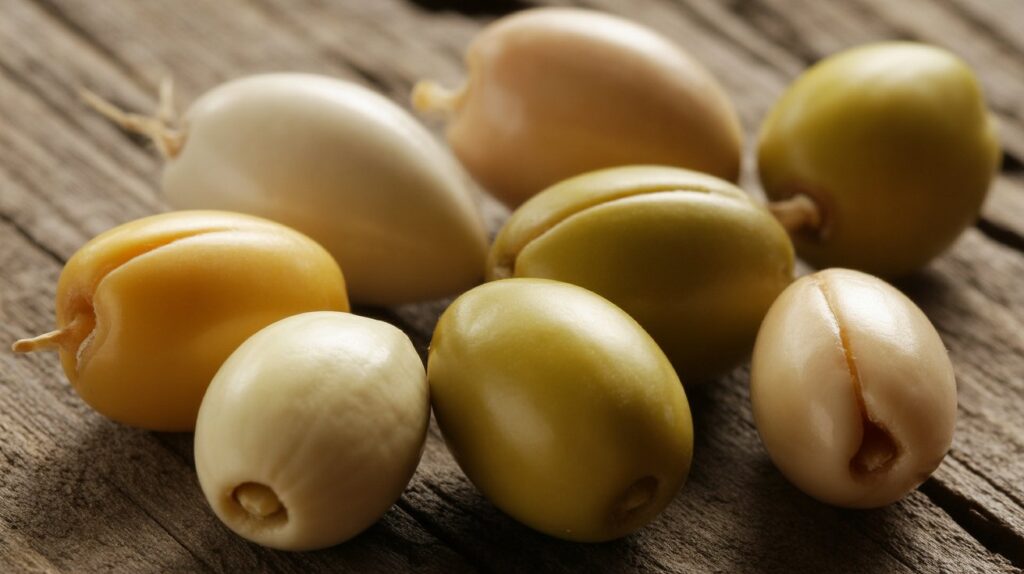
Germination appears to enhance the protective properties, as a study found that sprouted olive seeds exhibit more potent antioxidant activity than unsprouted seeds. With high levels of hydroxytyrosol and tyrosol acting in tandem, PF extracts can help combat oxidative damage in the body. This synergistic interaction is likely not entirely due to the additive effects of hydroxytyrosol and tyrosol.
Anti-Inflammatory Effects
Chronic inflammation underlies many modern diseases, from arthritis to heart disease. Research has shown that olive seed extracts possess significant anti-inflammatory properties, working through multiple pathways to reduce inflammatory markers in the body.
In studies using human monocyte cell lines, olive seed polyphenolic extracts successfully inhibited inflammatory responses, suggesting potential applications for inflammatory conditions. The mechanisms involve suppressing pro-inflammatory cytokines and modulating the behaviour of immune cells.
Antimicrobial Activity
Olive seeds possess natural antimicrobial properties that protect against various harmful microorganisms. Studies have demonstrated effectiveness against certain bacteria and fungi, suggesting potential applications in food preservation and natural medicine.
The phenolic compounds in olive seeds disrupt microbial cell membranes and interfere with essential metabolic processes, providing a natural defence mechanism that researchers are working to harness for practical applications.
Potential Anti-Cancer Properties
Perhaps most intriguing are the cytotoxic effects observed in cancer research. Laboratory studies have demonstrated that olive seed extracts can inhibit the growth of various cancer cell lines, including those of colorectal and breast cancers.
The proposed mechanisms include:
- Inducing apoptosis (programmed cell death) in cancer cells
- Inhibiting cancer cell proliferation
- Downregulating proteins that promote tumour growth
- Modulating genes involved in cell adhesion and metastasis
One study specifically found that olive seed peptides demonstrated antitumor activity in vitro, with researchers identifying specific compounds responsible for these effects. While these findings are preliminary and conducted in laboratory settings, they suggest promising avenues for future cancer prevention research.
Blood Sugar Management
For those concerned about diabetes or prediabetes, olive seeds may offer supportive benefits. Animal studies have revealed antidiabetic effects, with olive seed extracts helping to:
- Lower blood glucose levels
- Improve insulin sensitivity
- Protect pancreatic cells that produce insulin
- Reduce complications associated with diabetes
Research published in the Journal of Diabetes Research demonstrated that olive seed extracts exerted antihyperglycemic effects and provided liver protection in diabetic animal models, suggesting multifaceted metabolic benefits.
Cholesterol and Lipid Support
Olive seeds have demonstrated antihyperlipidemic effects—meaning they help lower unhealthy lipid levels in the blood. Studies indicate that olive seed consumption may:
- Reduce total cholesterol
- Lower LDL (“bad”) cholesterol
- Decrease triglycerides
- Potentially increase HDL (“good”) cholesterol
These effects are likely due to the synergistic action of healthy fats, plant sterols, and phenolic compounds, which collectively improve lipid metabolism.
Organ Protection
Research has uncovered protective effects for several vital organs:
Liver Protection: Olive seed extracts have shown hepatoprotective properties, helping shield liver cells from damage caused by toxins and oxidative stress. This is particularly relevant given the liver’s central role in detoxification and metabolism.
Kidney Support: Similarly, studies indicate that olive seeds may protect kidney function, reducing markers of kidney damage and supporting healthy filtration processes.
Cardiovascular Health: Beyond cholesterol benefits, olive seed compounds may support heart health by reducing blood pressure, inhibiting platelet aggregation (which can lead to blood clots), and protecting blood vessel walls from damage.
Neuroprotection: Emerging research suggests olive seed extracts may support brain health and cognitive function, potentially offering protection against neurodegenerative conditions. Animal studies have shown positive effects on neurodevelopment and neuroprotection.
Skin Health and Anti-Ageing
The antioxidants in olive seeds work not only internally. Research suggests that they help protect the skin from oxidative damage that leads to wrinkles and ageing. Olive seed compounds have been shown to reduce skin wrinkling caused by oxidative stress, suggesting potential applications in cosmetics and skin care products.
How Are Olive Seeds Extracted and Processed?
To harness the health benefits of olive seeds, researchers have developed various extraction methods to isolate their beneficial compounds while maximizing potency and stability.
Extraction Methods
Several techniques are used to extract bioactive compounds from olive seeds:
Solvent Extraction: Using ethanol, methanol, or water-alcohol mixtures to dissolve phenolic compounds and other bioactives. This traditional method is effective but requires careful solvent removal.
Steam Explosion: A process that uses high-pressure steam followed by rapid decompression to break down cell walls, making compounds more accessible. This method also helps separate hemicellulose and cellulose, creating opportunities to use different seed components.
Enzymatic Hydrolysis: Enzymes break down proteins and cell wall structures, releasing bioactive peptides and making compounds more bioavailable. This method is particularly useful for creating protein hydrolysates with specific health properties.
Supercritical CO₂ Extraction: An advanced method using carbon dioxide under high pressure to extract lipids and fat-soluble compounds without chemical solvents. This produces very pure extracts suitable for food and pharmaceutical applications.
Optimization for Maximum Benefits
Researchers continually work to optimize extraction processes to maximize the yield and potency of olive seed compounds. Factors that influence extraction efficiency include:
- Temperature and pressure conditions
- Extraction time
- Particle size of ground seeds
- Choice of solvent or extraction method
- pH levels
Studies have shown that combining methods—for example, using enzymatic pretreatment followed by solvent extraction—can significantly increase the recovery of beneficial compounds.
Encapsulation and Stabilisation
To protect sensitive compounds and improve shelf life, scientists are developing encapsulation technologies. One innovative approach utilizes the Particles from Gas-Saturated Solutions (PGSS) technique, which creates microparticles that protect olive seed oil from oxidation while producing a stable powder form.
Research has shown that proper encapsulation can extend the oxidative stability of olive seed oil from 34 days to 60 days, making it much more practical for commercial applications.
From Waste to Wellness: Industrial Applications
The transformation of olive seeds from waste product to valuable ingredient is creating new opportunities across multiple industries.
Food and Beverage Products
Olive seeds are finding their way into various food products:
Functional Foods: Olivae semen, an olive seed powder, has been successfully incorporated into biscuits and baked goods, enhancing their fibre content, antioxidant values, and healthy profiles while having minimal impact on taste or flavour. For sponge cakes, for example, replacing 25% of wheat flour improved its value without sacrificing acceptance.
Protein Supplements: The protein content of olive seeds, combined with their bioactive peptides, makes them candidates for protein supplements and functional ingredients targeting specific health outcomes.
Beverages: Olive seed extracts are being explored as additions to functional beverages, offering antioxidant benefits in convenient liquid forms.
Cosmetics and Personal Care
The skin-protective properties of olive seed compounds make them attractive ingredients for:
- Anti-ageing creams and serums
- Sunscreen formulations (due to antioxidant protection)
- Hair care products
- Natural preservatives in cosmetic formulations
The high content of vitamin E and phenolic compounds provides both functional benefits and marketing appeal in the growing natural cosmetics market.
Pharmaceutical Applications
Research into pharmaceutical applications is still emerging, but potential uses include:
- Dietary supplements for cardiovascular health
- Natural antimicrobial agents
- Antioxidant formulations for chronic disease prevention
- Compounds for drug development targeting inflammation or cancer
Sustainable Energy and Materials
Beyond health applications, olive seeds serve sustainable purposes:
Biofuels: The high lipid content makes olive seeds candidates for biodiesel production, offering a renewable energy source from agricultural waste.
Activated Carbon: Olive seed shells can be converted into activated carbon for water filtration and air purification applications.
Biocomposites: Combined with other materials, olive seeds are being used to create eco-friendly insulation materials and building products.
Growing Olive Trees from Seeds: A Bonus Benefit
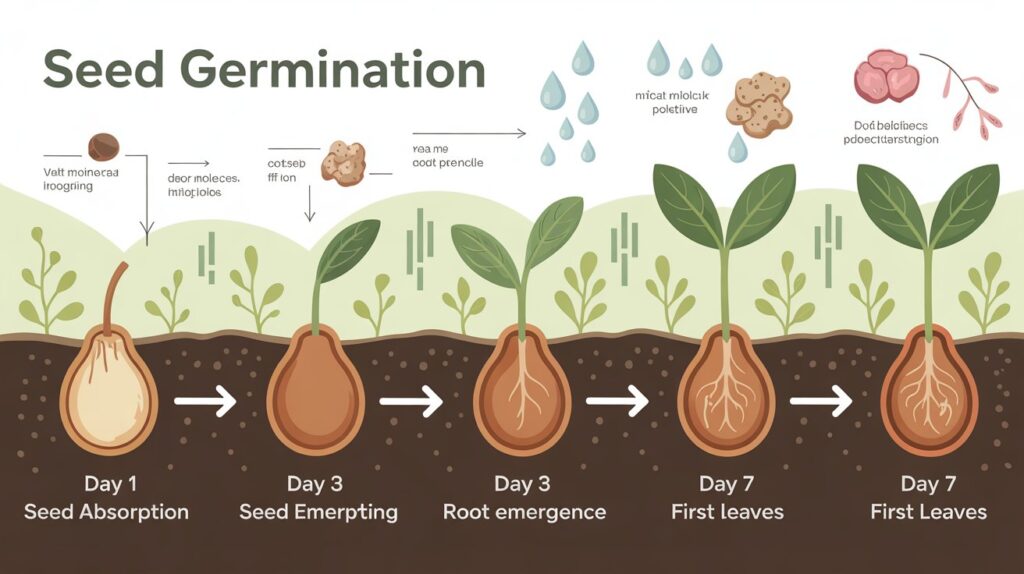
While this article primarily focuses on the health benefits, it’s worth noting that olive seeds can also be planted to grow new olive trees. The process requires patience but connects consumers directly to the source of these beneficial compounds.
To grow an olive tree from seed:
- Clean fresh olive seeds thoroughly
- Scarify the hard outer shell slightly to help germination
- Stratify seeds in moist sand at cool temperatures (40-50°F) for 1-2 months
- Plant in well-draining soil and provide consistent moisture
- Be patient—germination can take several months
While commercially grown olive trees are typically propagated through cuttings for consistency, growing from seed offers a rewarding connection to this ancient and health-promoting plant.
Frequently Asked Questions
Are olive seeds safe to eat?
Generally, olive seeds are safe when adequately processed. The seeds themselves are very hard and are not supposed to be consumed directly. However, extracts, powders or oil made from processed Olive seeds are used safely in numerous food applications and research. Always purchase products from a reputable supplier that processes the seeds properly to eliminate any harmful materials.
How do olive seeds compare to olive oil in terms of health benefits?
Olive seeds contain many of the compounds in olive oil that make it beneficial, including phenolic antioxidants, most notably hydroxytyrosol, and monounsaturated fats that are good for health. However, olive seeds are much richer in dietary fibre and protein, while the cardiovascular benefits and antioxidants are similar for both. Therefore, olive seeds cannot substitute for each other but serve as complementary ingredients.
Can I make my own olive seed powder at home?
While technically possible, making olive seed powder at home is challenging due to the extremely hard nature of the seeds. Industrial processing utilizes specialized equipment to crack and mill the seeds safely. If you want to use olive seed products, it’s safer and more practical to purchase professionally processed olive seed powder or extracts.
What’s the difference between olive seeds and olive pits?
These terms are often used interchangeably, though technically the “pit” or “stone” refers to the hard shell (endocarp) surrounding the actual seed inside. Both the shell and inner seed contain beneficial compounds, though their composition differs—the seed is richer in oils and proteins, while the shell includes more fibre.
Are there any side effects or precautions?
Notably, as of now, research has not found any significant side effects from olive seed extract at normal use levels. However, like any supplementation or functional food product, and dependent on each individual’s health status or medications, olive seed product consumption should always be cleared by a healthcare professional. Specifically, pregnant and lactating women should be careful and avoid consuming until more robust human safety data becomes available.
Where can I find olive seed products?
Olive seed products are still emerging in mainstream markets, but can be found through:
- Speciality health food stores
- Online retailers focusing on Mediterranean or functional foods
- Some olive oil producers who are beginning to valorize their byproducts
- Supplement companies offering olive-derived products
As research continues and awareness grows, olive seed products are likely to become more widely available.
The Future of Olive Seeds in Nutrition and Wellness
The evolution of olive seeds from waste product to wellness ingredient represents a broader shift toward sustainable food systems and circular economy principles. What was once discarded is now recognized as a valuable resource with significant health-promoting properties.
Current research continues to uncover new benefits and applications. Scientists are working to:
- Conduct human clinical trials to confirm the health benefits observed in laboratory and animal studies
- Develop more efficient extraction and processing methods
- Create consumer-friendly products that make olive seed benefits accessible
- Establish optimal dosing guidelines for various health applications
- Identify specific compounds responsible for different health effects
The olive oil industry generates millions of tons of olive seeds each year. By harnessing this byproduct for use as a functional ingredient, we not only reduce waste and open up new economic opportunities but also present an additional means for consumers to achieve optimal health.
Olive seeds offer a fascinating and promising new opportunity for evidence-based nutritionists or anyone who cares about their health and is intrigued by exciting new avenues of exploration. Capable of providing fibre, healthy fats, protein, and robust, amazing antioxidants all in one shot, they support cardiovascular health, metabolic health, and overall cell health. As growing scientific knowledge pages and products ramp up, olive seeds could be the next Mediterranean superfood and find a place on the tables alongside their companion, olive oil.
Olive seeds can provide a simple, delicious, and waste-reducing solution, supported by cutting-edge research, and frame the Mediterranean diet and its relationship with food. Whether you’re concerned about your heart health, want to reduce inflammation, increase your antioxidant intake, or strive for a more sustainable lifestyle, the evidence-based approach to olive seeds addresses these concerns and others.