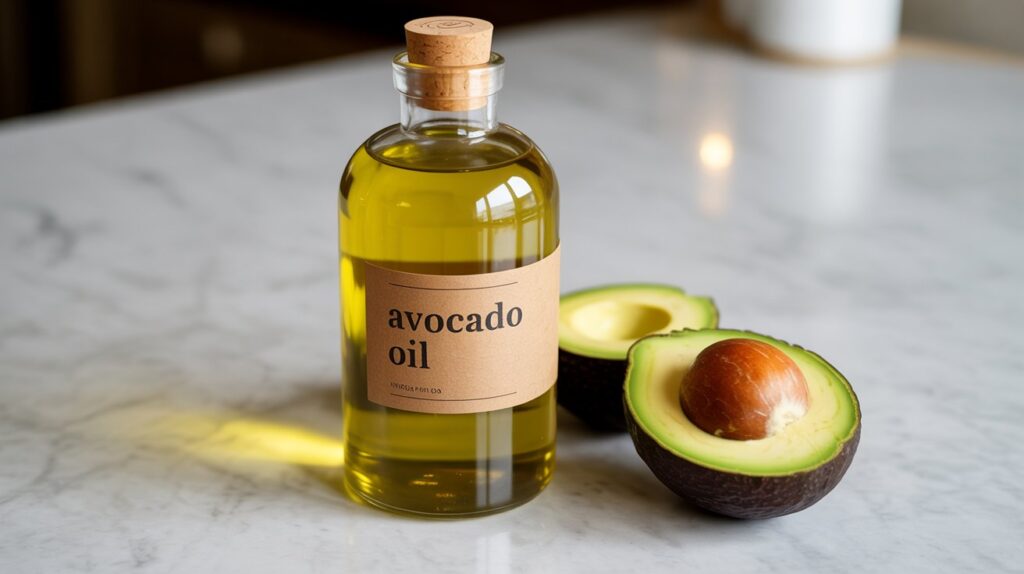
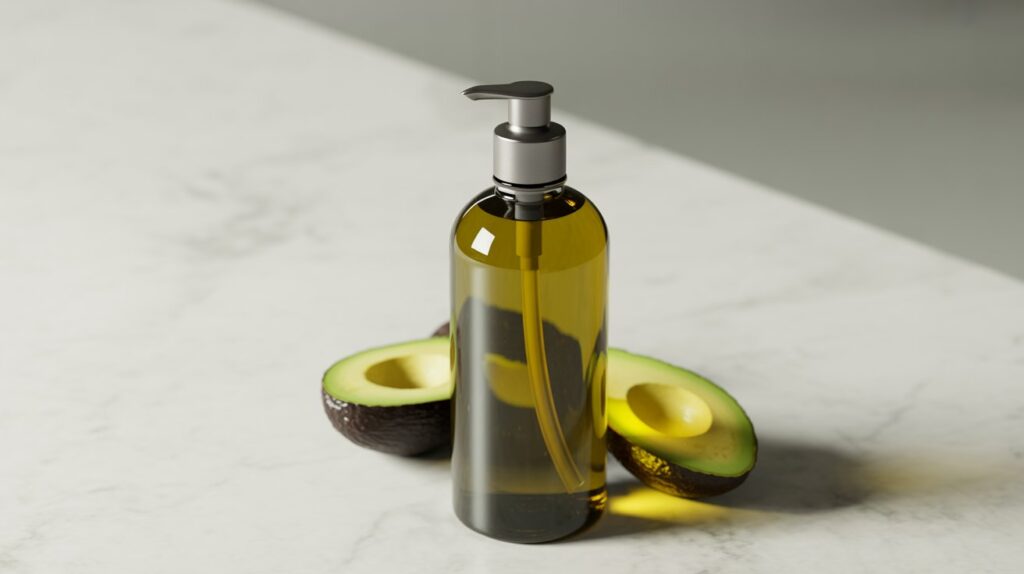
Is Avocado Oil a Seed Oil? is a question that many home cooks and health-conscious gardeners have. The short answer is no; avocado oil is not extracted from the seeds of the avocado fruit, but rather from its creamy flesh. You might be surprised to learn how important this distinction is, particularly if you’re attempting to steer clear of inflammatory seed oils in your cooking routine.
You can make better decisions for your family’s health and your garden-to-table culinary endeavours if you know the difference between fruit-based and seed oils.
How Does Avocado Oil Differ from Seed Oils?
The pulp of ripe avocados is cold-pressed to extract avocado oil, retaining the fruit’s natural flavours and nutrients. Avocado oil preserves its integrity through kinder extraction techniques than canola, soybean, or sunflower oils, which require seeds to be processed at high temperatures.
The industrial processing of the “Hateful Eight” seed oils—canola, corn, cottonseed, soybean, sunflower, safflower, grapeseed, and rice bran—can remove healthy compounds and produce potentially hazardous byproducts.
How Does Avocado Oil Get Made?
The manufacturing procedure is surprisingly simple:
- After washing, the flesh of fresh avocados is separated from the pit and skin.
- The pulp is cold-pressed, or mechanically compressed, without the use of heat.
- Water and solids are separated from oil.
- Natural nutrients and antioxidants are preserved with minimal filtering.
- Important substances like vitamin E, vitamin K, and heart-healthy monounsaturated fats are preserved by this gentle process.
Knowing the Differences Between Fruit and Seed Oils
Seed Oils (restricted):
- Canola oil
- Oil from soybeans
- Corn oil
- Oil from sunflowers
- Oil of safflower
- Oil from cottonseed
- Oil from grapeseeds
- Oil from rice bran
Plant-based and fruit-based oils (better options):
- Avocado oil
- Olive oil
- Coconut oil
- Sustainable palm oil
In summary, here is what distinguishes fruit and seed oils:
1. Source
- Fruit Oils: it is extracted from the pulp or flesh of the fruit (e.g., olive oil from the olive fruit, avocado oil from the avocado fruit, coconut oil from the coconut fruit.
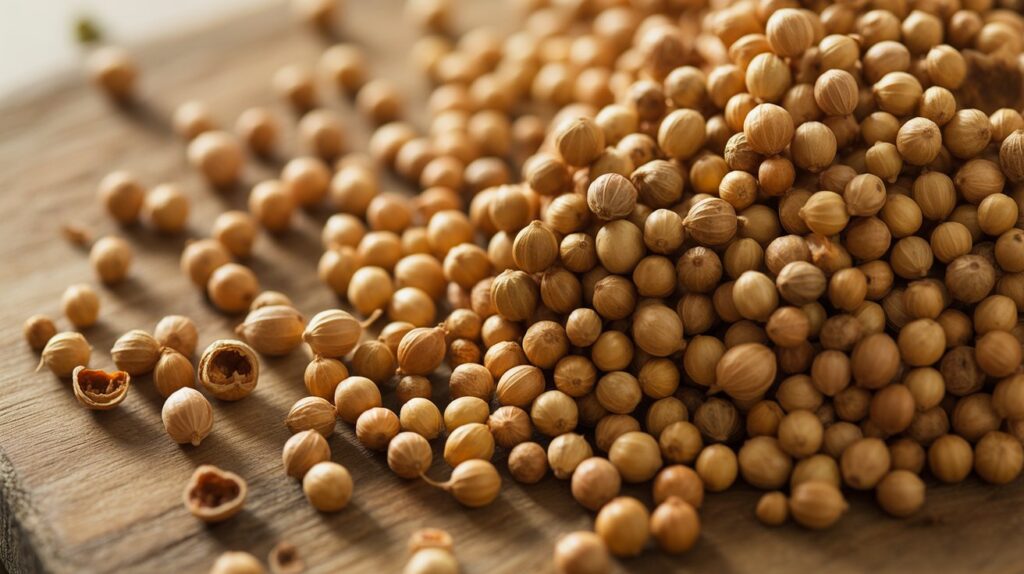
- Seed Oils: They are obtained from the seeds of plants (e.g., sunflower oil, sesame oil, and flaxseed oil.
2. Nutritional Profile
- Fruit Oils: often rich in monounsaturated fats (like olive oil) or saturated fats (like coconut oil). They may also contain vitamins, such as vitamin E, and antioxidants.
- Seed Oils: usually rich in omega-3 and omega-6 fatty acids, which are polyunsaturated fats. Depending on the seed, they might also include various nutrients and minerals.
3. Flavor
- Fruit Oils: Fruit-based oils are usually more flavorful and distinctive. For example, olive oil has a fruity, slightly spicy taste, while coconut oil has a sweet, nutty flavor.
- Seed Oils: Often have a milder or neutral taste, which makes them adaptable for baking and cooking.
4. Uses
- Fruit Oils: Commonly used in cooking, dressings, and skincare. For example, olive oil is a staple in Mediterranean cuisine, and avocado oil is popular for high-heat cooking.
- Seed Oils: Widely used in cooking, frying, and processed foods. They are also used in cosmetics and industrial applications.
5. Extraction Process
- Fruit Oils: Fruit oils are typically extracted by mechanical means or cold-pressed to preserve flavor and minerals.
- Seed Oils: Seed oils are often extracted using chemical solvents or mechanical pressing, which can compromise the oil’s nutritional content and purity.
6. Health Considerations
- Fruit Oils: In general, fruit oils are considered healthier when it comes to monounsaturated fats and antioxidants. For instance, extra-virgin olive oil is known to enhance heart health.
- Seed Oils: Although this fat profile is beneficial, seed oils, notably soybean and corn oil, undergo substantial processing and have a more significant ratio of omega-6 to omega-3 fats, which can increase inflammation if consumed in large quantities.
7. Shelf Life
- Fruit Oils: Often have a longer shelf life due to their lower polyunsaturated fat content, which makes them less prone to oxidation.
- Seed Oils: More prone to rancidity because of their higher polyunsaturated fat content, especially if not stored properly.
Understanding these differences will enable you to select the ideal oil for your specific cooking, health, or skincare needs. Please let me know if you’d like more details on any particular oil.
The main distinction is found in the fatty acid profiles and processing techniques. Seed oils are a rich source of omega-6 fatty acids. Chia seeds are abundant in seed oils and have the potential to exacerbate inflammation if ingested in excess. Fruit oils with anti-inflammatory qualities, such as avocado oil, offer a more well-rounded diet.
Nutritional Value and Extraction Techniques
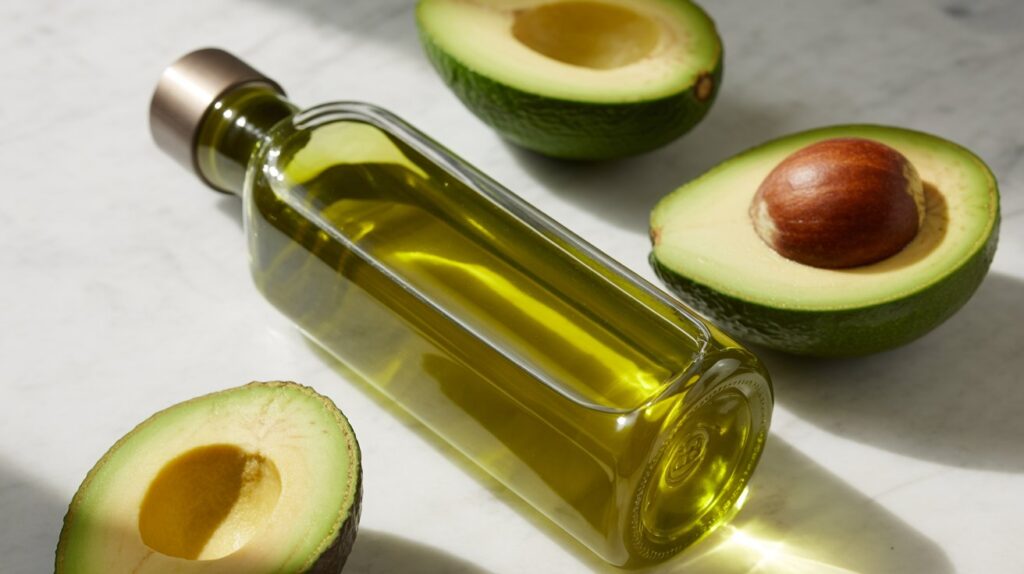
When compared to highly processed alternatives, cold-pressed avocado oil maintains the highest nutritional value. By retaining the extraction temperature below 120°F, the following are preserved:
- Monounsaturated fats: Lower inflammation and promote heart health
- Vitamin E is a potent antioxidant.
- Vitamin K: Vital for healthy bones
- Oleic acid: Could lower blood pressure
- Lutein: Promotes eye well-being
Together, these nutrients offer anti-inflammatory properties that enhance any fresh produce you might grow in your own garden.
Advantages of Avocado Oil for Your Health
Avocado oil’s monounsaturated fat content benefits families who are concerned about their health in several ways.
Support for Heart Health: Monounsaturated fats may help lower the risk of cholesterol and Heart-related conditions, according to studies.
Anti-Inflammatory Qualities: Avocado oil offers a more balanced fatty acid profile that doesn’t encourage inflammation, in contrast to seed oils that are high in omega-6 fatty acids.
Absorption of Nutrients: Avocado oil’s good fats aid in the body’s absorption of fat-soluble vitamins (A, D, E, and K) found in vegetables and other foods.
High Smoke Point: Ideal for Cooking
Avocado oil is perfect for a variety of cooking techniques due to its smoke point of about 520°F:
- Stir-frying and sautéing at high heat
- Roasting your own vegetables
- Broiling and grilling
- Deep-frying (but only occasionally)
Unlike many seed oils that become unstable when heated, this stability ensures that the oil won’t degrade and form toxic compounds at typical cooking temperatures.
Aspects of Sustainability
Compared to industrial seed oil processing, avocado oil production typically has a minor environmental impact for gardeners and cooks who care about the environment. Trees of avocados:
- Demand less labour-intensive agricultural methods
- Not requiring the chemical solvents that are frequently used to extract seed oil
- can be achieved using environmentally friendly farming practices.
- A single tree can yield fruit for many years.
However, the locations of avocado cultivation and processing can affect transportation distances and water consumption.
Changing to Better Cooking Oils
Are you prepared to abandon inflammatory seed oils? Here’s how to make the change:
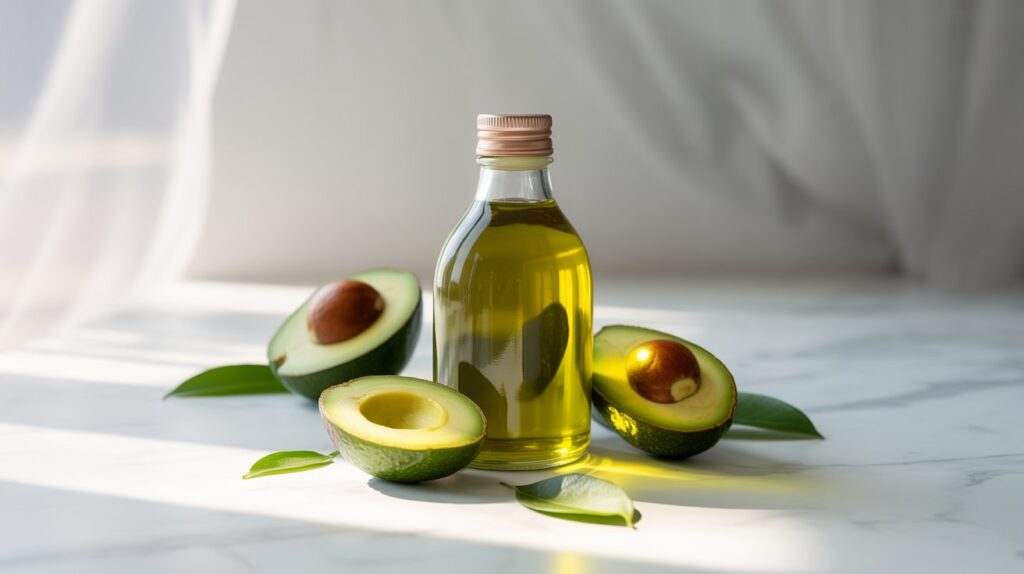
Begin with Little: Use avocado oil or other fruit-based substitutes in place of one seed oil at a time.
Examine the labels: Pay close attention to ingredient lists because many processed foods contain hidden seed oils.
Keep Your Pantry Full: Save extra virgin olive oil for dressings and low-heat uses, and save avocado oil for high-heat cooking.
Try Different Flavors: The fresh flavors of your garden vegetables won’t be overpowered by the neutral taste of avocado oil.
Avocado oil is a fruit-based oil with exceptional nutritional value and cooking capabilities; it is not a seed oil. You can complement your sustainable lifestyle and promote the health of your family by being aware of this distinction and making wise decisions.
Avocado oil gives your body the stability and nourishment it needs, whether you’re sautéing fresh herbs from your garden or making a filling supper with seasonal vegetables. For more advice on sustainable cooking and healthy living that links your kitchen to the best of nature, sign up for our newsletter.