Garden Safe black oil sunflower seeds are one of the most popular varieties in North America at a great price! These tiny little dark seeds have long been the gold standard for feeding everyone from backyard chickens to wild songbirds. Knowing what black oil sunflower seeds are and how to grow your own supply can change how you tend to your animals and attract wildlife to your land.
Whether you are feeding livestock, attracting diverse birds to your backyard, or enjoy birdwatching for fun viewing opportunities year-round, frequent visits offer numerous benefits. Their high content of oil, protein and essential amino acids makes them an attractive supplement for many types of animals.
In this ultimate guide, we’ll take a deep dive into the wonder and splendour of black oil sunflower seeds with animals, and how to grow your own crop of sunflowers- it’s easy and low-fuss! -and how to feed these incredible morsels for maximum nutrition.
What Are Black Oil Sunflower Seeds, Anyway?
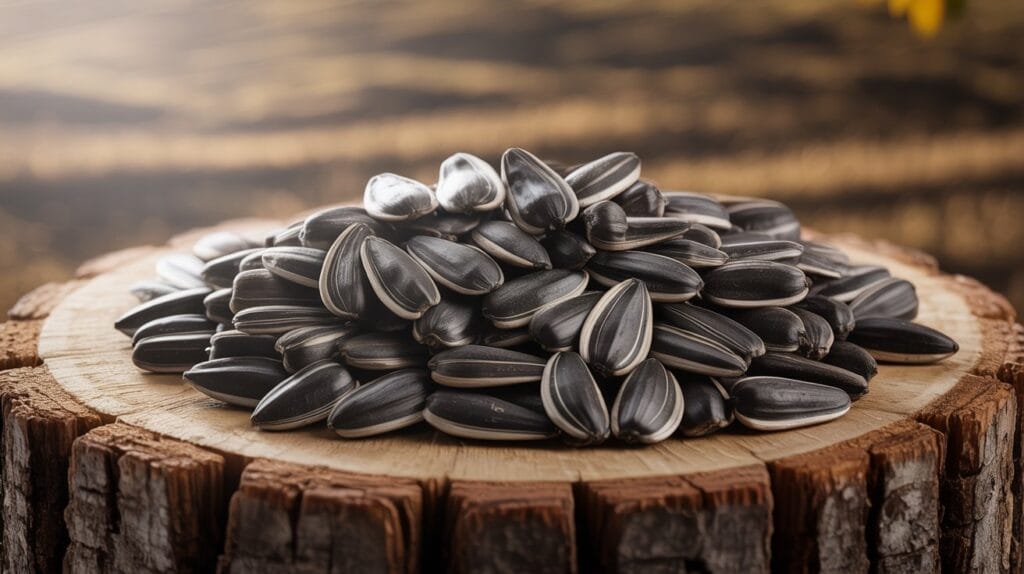
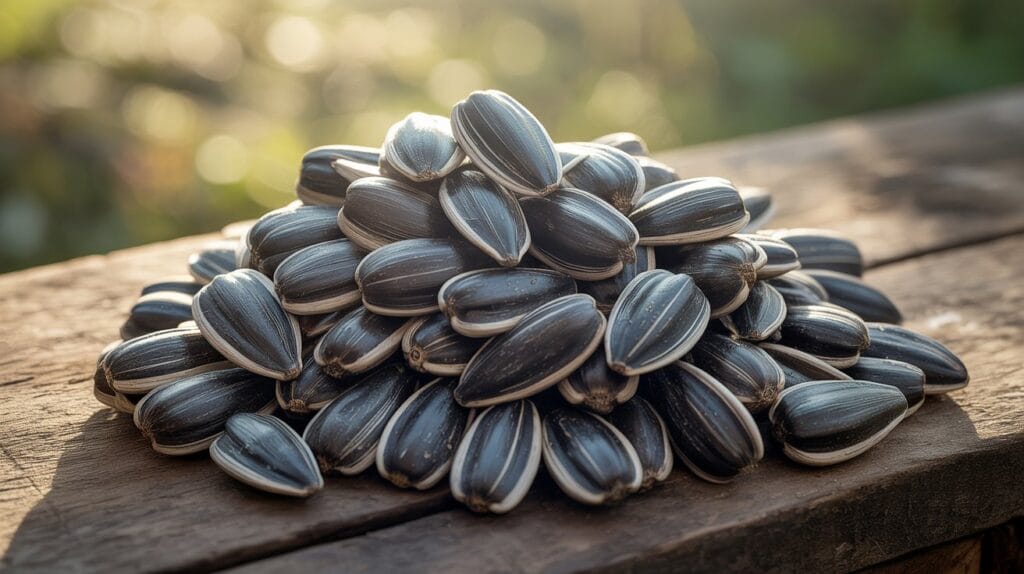
How to Grow Black Oil Sunflowers. Why you should plant them. BOSS sunflower seeds are a type of sunflower seed that aims to provide the absolute best nutritional benefits nature can offer. Compared with the stripe-patterned sunflower seeds you might have noshed on at major-league ballpark games, black oil sunflower seeds sport a thinner hull that’s easier to crack and for animals to digest — which means they’re open to a larger range of snackers.
The “black oil” name is earned through their strikingly dark shell and wonderfully high oil content—between 40-50% compared to between only 25-30% in striped varieties. This high-fat content is equivalent to about 2,500 calories per pound, which makes them an extremely calorie-dense food source.
In addition to their calorie-dense nature, black oil sunflower seeds also provide vitamins and minerals such as vitamin E, magnesium, phosphorus, and selenium. They are also high in protein (generally 15-20 per cent) and contain all of the essential amino acids that animals require for muscle development and maintenance.
The thin shell typical of black oil sunflower seeds has another advantage: less mess. They are easy enough for animals to break, and the hulls also provide a healthy source of fibre when eaten.
How to Grow Black Oil Sunflower in Seed Form
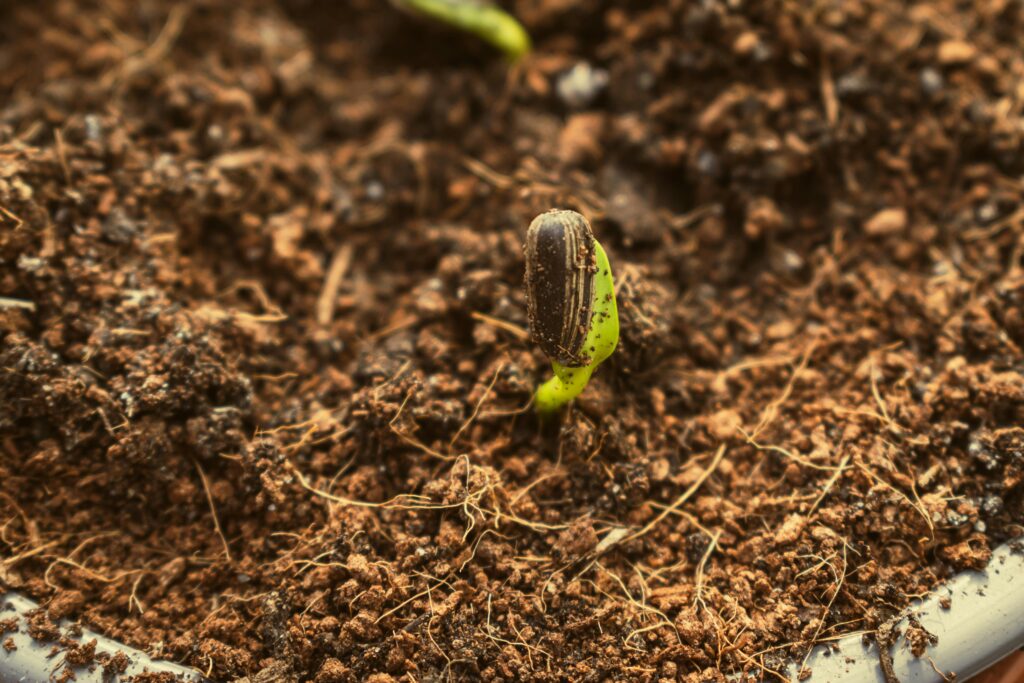
Planting your own black oil sunflower seeds to feed the birds provides a fresh, low-cost source for your furry or feathered friends and picturesque landscaping for you. These hardy plants are, however, surprisingly easy to grow, even for new gardeners.
Timing and Site Selection
If you live in a cooler zone, plant black oil sunflower seeds once the last frost has subsided and the soil temperature is consistently stable at 60-70°F. These are heat-loving plants that need full sun – 6 to 8 hours per day – so pick the sunniest site you have.
Sunflowers like well-drained soil with added compost or well-rotted manure. They are fairly adaptable to soil types and have a good tolerance for slightly alkaline soils with a pH of 6.0-7.5.
Planting Technique
Direct sow seeds in the garden, about 1 inch deep and 6 inches apart. Most black oil sunflower types reach heights of 4-6 feet, so allow for enough space between rows to prevent overcrowding as plants mature (2-3 feet is usually good).
Care and Maintenance
Keep the ground moist during germination and early growth, watering weekly with approximately 1 inch of water. Sunflowers become drought-tolerant once established, but regular moisture will help increase the size of seed heads and thus overall yield.
The taller types may need staking to keep them from falling over in strong winds. Stakes stakes or a wire system is suitable as the plants can have stability supports as they grow to full length.
Keep an eye out for typical diseases such as cutworms and aphids, especially on new plantings. By hand-picking larger pests and applying organic insecticidal soap, the vast majority of concerns can be dealt with effectively without poisoning.
Harvesting Your Crop
Black oil sunflowers are ripe when the back of the head becomes yellow and the seeds are full and plump. Firm and solid to the touch when given a gentle squeeze, these seeds should be well-filled.
Snip the whole flower head off, leaving about 12 inches of stem, and hang in A warm and dry area with good air circulation for optimal conditions for another two to three weeks to finish drying. When completely dry, rub out the seeds and keep them “in an airtight container.”
Benefits for Horses
Horses thrive on black oil sunflower seeds for coat conditioning and maintaining a healthy weight. The high levels of oil help give a shine that many horse owners want in the coat and skin of their horses.
We use black oil sunflower seeds for horses needing to put on weight, as they are an excellent source of calories in a small amount. Along with good fats, they provide 2,500 calories per pound to aid in healthy weight gain without incurring high feed costs.
The amino acid content in black oil sunflower seeds supports muscle building and repair, which makes this feed especially important for high-performance horses or those recovering from an illness or injury. These are the critical foundations that ensure you can maintain muscle mass even as you’re conditioning.
In addition, feeding between 1-2 cups of black oil sunflower seeds daily per horse, based on their specific requirements and current body condition. Introduce the new feed to your chicks gradually over 7-10 days to prevent digestive upset.
Benefits for Goats
Many goat owners commonly use black oil sunflower seeds to condition coats and put weight on underweight animals. BENEFITS Higher oil content enhances dull, dry coats, making hair more brilliant in appearance while promoting overall good health and nutrition.
For dairy-producing goats, black oil sunflower seeds can help increase butterfat content in milk, making it richer and more nutritious for kids. This advantage may have particular application in dairy goats, where milk quality is a concern.
Feeding black oil sunflower seeds to goats requires careful attention to the calcium-phosphorus ratios, okay. Dees seeds are naturally high in phosphorus compared to calcium, making the needed 2:1 calcium-to-phosphorus ratio not ideal for goat’s diets. This imbalance might be responsible for the development of urinary calculi, especially in male goats.
To safely feed black oil sunflower seeds to goats, feed them up to 1/4 cup per adult goat per day, mixed with their daily grain. Provide your goats with good-quality hay or access to pasture, in addition to lots of fresh water for mineral balance and a healthy urinary tract.
Benefits for Chickens
Black oil sunflower seeds have many great benefits for your backyard flock, and are a wonderful addition to any chicken feed program. The high protein content (15-20 per cent) supports muscle development and feathering, especially during moult.
The calcium in BOSS helps build strong eggshells, and the protein ensures consistent laying. Many chicken owners notice an improvement in shell quality and more even laying when they include these delicious seeds in their chickens’ diet.
Extra calories and healthy fats support chickens in holding body weight when it’s cold (since they use additional energy to keep themselves warm). This is what makes black oil sunflower seeds extremely useful in the dark months of winter.
Feed Whole black oil sunflower seeds at a ratio of 1 cup for every 6 cups of regular chicken food. They can be mixed right into the feed or scattered on a kiddie pool filled with straw forges, which is fun and entertaining in itself and helps develop natural scratching instincts.
Benefits for Ducks and Geese
Along with the main nutritional benefits, many duck species derive certain additional bonuses from black oil sunflower feeding. They are a very good source of niacin (vitamin B3), which is needed for normal skeletal and nervous system development in ducklings or goslings.
The high fat content keeps the body warm in cold temperatures and coats feathers to repel water. In waterfowl, good-quality feathers are essential for insulation and waterproofing.
Black oil sunflower seeds. Adult ducks or geese will eat black oil sunflower seeds at any time of the year, innocuously. The best rule of thumb is to wait until ducklings and goslings are 3-4 weeks old before giving them these types of seeds, as they have less chance of clogging up their still-developing digestive systems.
Benefits for Wild Birds
Black oil sunflower seeds are the favourite food of a great variety of wild birds around your yard. Their high calorie-to-ounce ratio provides wild birds with the energy they need, particularly during migration and severe weather conditions.
Thin shell keeps the waste down on seed types that have the hulls removed because the birds can not crack and eat inside. This efficiency results in less waste around feeders, providing better value for your dollar.
“They’re packed with nutrition, including protein, fat and fibre,” Lucas said. Black oil sunflower seeds offer incredible variety to birdwatchers – from cardinals and chickadees, to nuthatches, finches (like American goldfinch), blue jays and even woodpeckers. Such diversity makes for exciting viewing, no matter the time of year.
In the spring, nesting birds require a diet that is high in fats and proteins to support egg production and nourish their young. High-fat seeds are especially beneficial during this period. Many birds also store these seeds for later use, creating a reserve for times when natural food sources are scarce.
Unlike striped sunflower seeds, which are favoured by only a few bird species, such as cardinals and jays, black oil sunflower seeds attract a wider variety of birds to your feeders.
Feeding Guidelines and Best Practices
Effective supplementation with black oil sunflower seeds, knowledge of proportioning, and supplemental feeding for various species. These high-nutrition, little seeds should be fed as a treat or reward and to prevent boredom.
Storage and Freshness:
Store black oil sunflower seeds in a cool & dry location in airtight containers to prevent them from becoming mealy and buggy. Seeds that are stored correctly will last for 6-12 months while retaining nutritional value and palatability. Check occasionally for moulding, rancidity and insect damage.
Gradual Introduction:
When feeding black oil sunflower seeds to any animal for the first time, start with small amounts and increase gradually over a 1-2 week period. This approach avoids digestive disturbance and enables animals to acclimatise to the new form of food.
Quality Considerations:
Get some good black oil sunflower seeds that are 99% clean, and leave out any sticks or foreign matter. Clean seeds mean more air circulation, better flow of seeds and less waste; no debris and therefore no clogging – birds get all the food and empty seed hulls drop away for clean, collectable waste.
Getting the Most Out of Black Oil Sunflower Seed
Black oil sunflower seeds rank as one of the most perfectly engineered foods in nature: All nutrients are beneficial and present in a form that large numbers of animal species can consume. They’re versatile and useful, whether you’re raising livestock, housing poultry or enhancing wildlife habitat.
Raising your own fodder allows you to ensure freshness and also provides a sense of satisfaction in growing your own animal feed. Even a few rows of plants will yield significant quantities of these nutritious seeds, making for an easy and rewarding homegrown harvest.
The secret to success lies in meeting each animal’s individual needs and providing proper amounts of a balanced formula. Properly used, black oil sunflower seeds can help improve coat condition. They may also support healthy weight management, increased energy levels and egg production and attract diverse wildlife to your property.
It’s a good idea to start with small amounts and observe the animals’ responses — you can then adjust feeding programs based on the measurements and seasonal requirements outlined above. Whether you buy it or grow your own, black oil sunflower seeds provide an abundance of nutrient value for nearly any bird (or animal) that drops by.