Watching a goat chew through almost anything in its path is an entertaining experience for any farmer or homesteader. These curious animals are notorious for exploring the world with their mouths, nibbling on everything from tin cans to toxic weeds. This indiscriminate eating habit frequently leaves owners wondering which human foods are actually safe to toss over the fence.
During the peak of summer, few treats are as refreshing as a crisp, juicy watermelon. After you finish enjoying the sweet pink flesh, you might look at the leftover rinds and seeds and wonder if they would make a good snack for your herd. Sharing fresh produce reduces food waste and provides enrichment for your animals, but you must be certain that what you are offering will not cause them harm.
So, can goats eat watermelon seeds? The short answer is yes, they absolutely can. However, understanding how their digestive systems handle these seeds, the nutritional value they offer, and the best ways to prepare this summer treat is essential for keeping your livestock healthy. This comprehensive guide will explain everything you need to know about feeding watermelon and its seeds to your goats, and even how to grow your own.
A Goat’s Natural Diet: Wild Foraging vs. Farm Life
To understand how a goat processes something like watermelon seeds, you first need to understand how they eat. Unlike sheep and cows, which are primarily grazers that eat grass close to the ground, goats are browsers. Their natural diet consists of leaves, twigs, vines, and shrubs.
Goats possess a highly efficient, four-chambered stomach designed to break down tough plant materials. The rumen, the largest compartment, acts as a massive fermentation vat where bacteria and microbes digest roughage. Because their digestive systems are built to handle coarse, fibrous matter like tree bark and brambles, the occasional handful of seeds is generally easy for them to break down.
On a farm, a goat’s diet is usually supplemented with high-quality hay, specialized grain mixes, and essential minerals. While this provides a balanced nutritional profile, offering fresh fruits and vegetables as a supplemental treat mimics the varied foraging they would experience in the wild.
Watermelon as a Treat: Flesh, Rind, and Nutrition
Before zeroing in on the seeds, it is worth looking at the whole fruit. Watermelon is a fantastic, hydrating treat for goats, particularly during scorching summer months when heat stress is a real concern. The flesh is packed with water, helping to keep your herd hydrated.
The rind, which humans typically discard, is perfectly safe and highly enjoyable for goats. It contains a good amount of fiber, which is crucial for maintaining a healthy rumen. Watermelon also offers vitamins A and C, potassium, and magnesium. However, because the fruit contains natural sugars, it should always be offered in moderation to prevent bloating or disrupting the delicate balance of bacteria in the rumen.
The Big Question: Are Watermelon Seeds Safe?
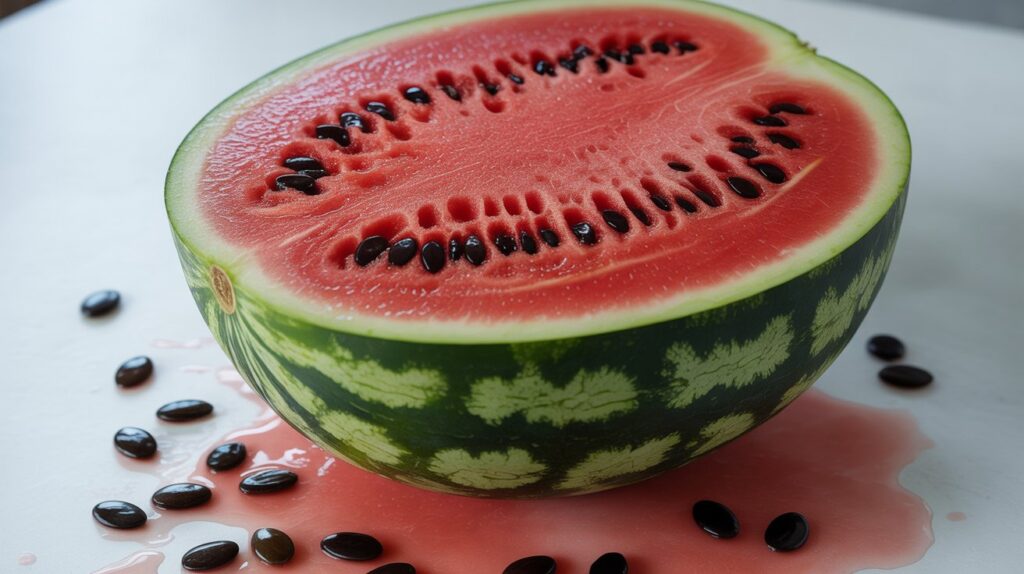
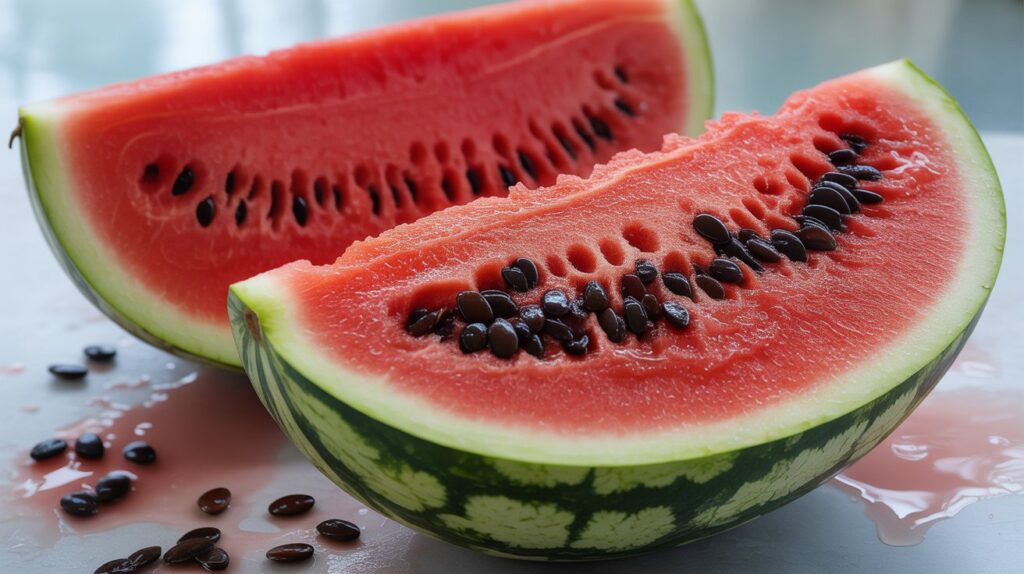
When you toss a slice of watermelon to a goat, they will happily devour the flesh, the rind, and the seeds without a second thought. But are those seeds actually safe?
Nutritional Composition of Watermelon Seeds
Far from being toxic, watermelon seeds actually contain a concentrated dose of nutrients. They are rich in protein, healthy fats, and trace minerals. For a browsing animal that regularly eats tough forage, these tiny seeds provide a small but beneficial nutritional boost.
| Nutrient | Benefit for Goats |
|---|---|
| Protein | Supports muscle growth, milk production, and overall tissue repair. |
| Fatty Acids | Provides a dense energy source and helps maintain a healthy, shiny coat. |
| Magnesium | Essential for nerve function and bone health. |
| Zinc | Boosts the immune system and aids in hoof health. |
| Fiber | Supports healthy rumen function and digestion. |
Choking Hazards and Digestive Risks
While the seeds themselves are non-toxic, some owners worry about choking. Fortunately, watermelon seeds are small and smooth, making them highly unlikely to cause a choking hazard for a full-grown goat. Goats are adept at grinding their food thoroughly before swallowing.
The only minor risk involves feeding whole, large chunks of watermelon to very young kids or miniature breeds. To mitigate this, simply chop the watermelon—rind, flesh, seeds, and all—into smaller, manageable pieces before feeding.
Comparing Watermelon Seeds to Other Fruit Seeds
A common source of confusion arises from the toxicity of other fruit seeds. For instance, apple seeds and stone fruit pits (like cherries, peaches, and plums) contain amygdalin, a compound that releases cyanide when chewed and digested.
This leads many to wonder if all fruit seeds carry a cyanide risk. The seedless watermelon seeds myth often stems from this fear, leading people to believe they must carefully pick out every seed. In reality, watermelon seeds do not contain any cyanogenic glycosides. They are entirely safe to consume, unlike their apple and cherry counterparts.
Growing Your Own Watermelon Treats for Goats
If your goats love this summer fruit, you might want to consider growing a patch specifically for them. Cultivating your own crop allows you to control the growing environment, ensuring the fruit is free from harmful pesticides. Here is a comprehensive watermelon seeds growing guide to get you started.
Choosing the Right Seeds
When selecting seeds, you have several options. You can explore heirloom watermelon seeds, which are prized for their flavor and genetic stability. Organic watermelon seeds ensure your crop starts without synthetic chemical treatments. Many people ask, “can you grow watermelon from store bought seeds?” The answer is yes, though the results can be unpredictable if the fruit was a hybrid. You will also find various watermelon seed varieties, from massive picnic melons to smaller icebox types.
Preparing and Planting
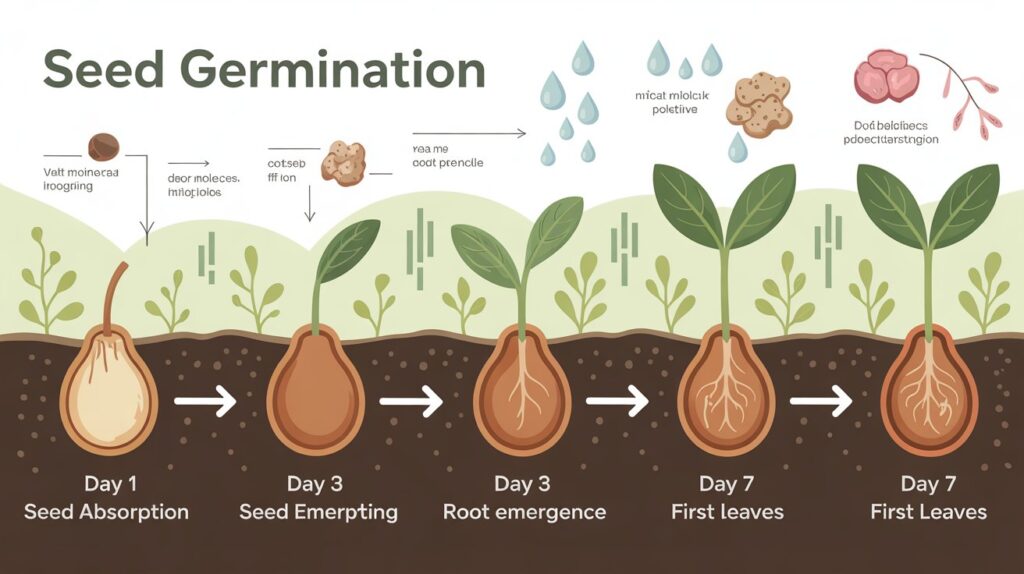
Learning how to plant watermelon seeds correctly is vital for a healthy harvest. Here are some tips for successful watermelon seed germination:
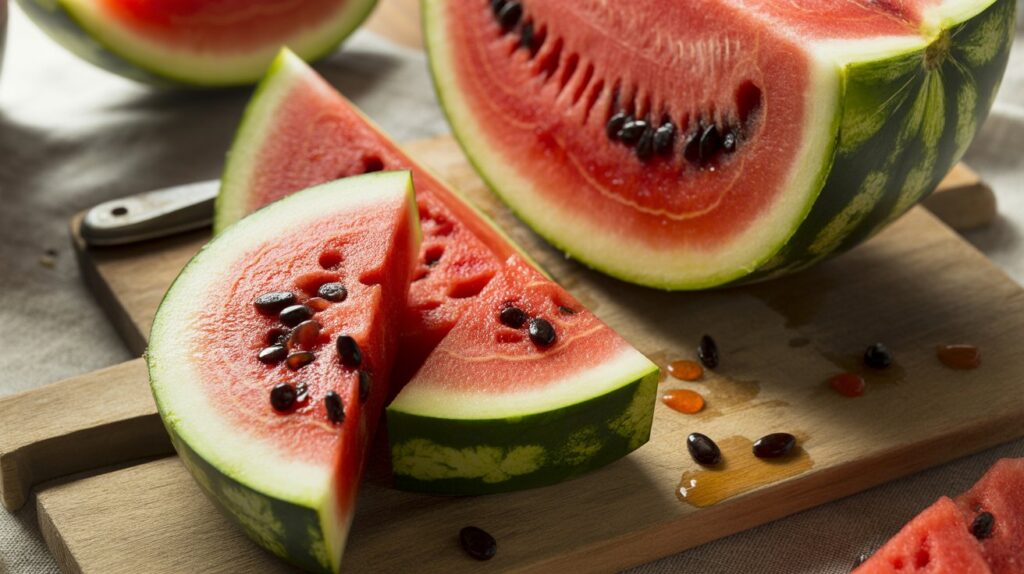
When to plant watermelon seeds: Wait until the soil temperature reaches at least 70°F. Watermelons love heat and will struggle in cold ground.
Can I start watermelon seeds indoors? Yes, starting watermelon seeds indoors is a great way to get a jump on the season, especially in cooler climates. Use biodegradable pots so you do not disturb the sensitive roots during transplanting.
Best soil for watermelon seeds: They thrive in loose, well-draining, sandy loam soil with a pH between 6.0 and 6.8. Adding plenty of aged compost will provide necessary nutrients.
How deep to plant watermelon seeds: The ideal watermelon seed planting depth is about one inch deep.
How far apart should watermelon seeds be planted? Proper watermelon seed spacing is crucial because the vines spread rapidly. Space your mounds about 4 to 6 feet apart, depending on the variety.
How many watermelon seeds per hole? Plant 3 to 4 seeds per mound, then thin them down to the strongest two plants once they sprout.
How long do watermelon seeds take to germinate? Under optimal warm conditions, watermelon seed germination typically occurs within 4 to 10 days.
Care and Maintenance
Once your plants sprout, proper watermelon seedling care is essential.
Do watermelon seeds need full sun? Absolutely. They require a minimum of 8 hours of direct sunlight daily to produce sweet, robust fruit.
For ongoing watermelon seed care tips, focus on consistent watering. The best way to grow watermelon seeds faster is to keep the soil evenly moist until the fruit reaches about the size of a tennis ball, then slowly reduce watering to concentrate the sugars.
Harvesting and Saving Seeds
If you want to grow the same crop next year, you will need to know about watermelon seed harvesting.
How to harvest watermelon seeds from fruit: Allow one healthy watermelon to over-ripen slightly on the vine. Scoop out the seeds and rinse them thoroughly in a colander to remove the sticky pulp.
How to dry watermelon seeds for planting: Spread the clean seeds in a single layer on a screen or paper towel in a dry, well-ventilated area. Let them air dry completely for about a week.
How to store watermelon seeds long term: Once dry, place them in an airtight container or paper envelope and store them in a cool, dark, and dry location. Proper saving watermelon seeds techniques ensure viability for up to five years.
Expert Opinions on Feeding Goats Fruit Seeds
Veterinarian advice consistently points to moderation when feeding any treats to livestock. While the nutritional composition of watermelon seeds for livestock is beneficial, fruit should never replace a goat’s primary diet of forage, hay, and minerals.
Livestock experts note that the high water and sugar content in the fruit’s flesh can cause diarrhea or upset the rumen if fed in massive quantities. A few slices per goat, a few times a week during the summer, is generally considered a safe and healthy amount.
Best Practices for Serving Watermelon to Your Herd
To ensure your goats enjoy their treat safely, follow these simple preparation guidelines:
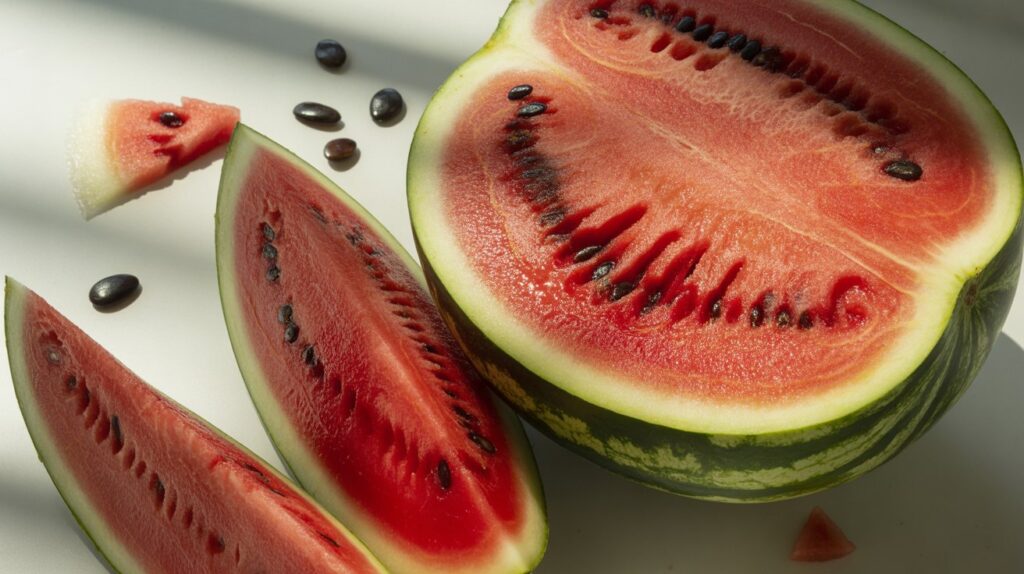
- Wash the Rind: If you are feeding store-bought watermelon, wash the outside thoroughly to remove any pesticide residue or wax before slicing.
- Chop it Up: Cut the watermelon into manageable chunks. This prevents larger goats from dominating a whole half-melon and reduces any minor choking risks for smaller breeds.
- Leave the Seeds: Save yourself the effort of picking them out. The seeds provide extra fiber and nutrients.
- Monitor Your Herd: Whenever you introduce a new food, watch your goats for any signs of digestive distress, such as lethargy, bloating, or loose stools.
- Keep it Fresh: Only feed fresh watermelon. Discard any moldy, rotting, or fermented fruit, as this can make your animals severely ill.
Keeping Your Herd Happy and Healthy
Feeding your goats watermelon—flesh, rind, and seeds—is a wonderful way to provide hydration, enrichment, and a nutritional boost during the hot summer months. Because their robust digestive systems are built to handle fibrous materials, the tiny seeds pose no threat and actually offer a small dose of protein and healthy fats. By learning how to grow watermelon seeds at home, you can even establish a sustainable, organic treat supply right in your own pasture. Always remember to serve treats in moderation, prioritize their primary forage diet, and enjoy watching your herd devour this refreshing summer snack.
FAQ’s
1. What is a goat’s favorite fruit?
Goats love sweet fruits like apples, bananas, and watermelon, but preferences vary by goat.
2. Do goats remember faces?
Yes, goats can recognize and remember human and animal faces for a long time.
3. Can goats eat too much watermelon?
Yes, too much watermelon can cause digestive upset due to high sugar and water content.
4. What do goats do when bored?
They may chew on objects, climb, make noise, or try to escape in search of stimulation.
5. Where do goats like to sleep at night?
Goats prefer dry, elevated, and sheltered areas like barns or raised platforms.
6. What emotion do goats prefer?
Goats respond best to calm, positive interactions and feel secure in peaceful environments.
7. How do goats see humans?
Goats see humans as part of their social environment and can form bonds based on trust.
8. Why give baking soda to goats?
Baking soda helps neutralize stomach acid and supports digestion, especially to prevent bloat.
9. Do goats have a high IQ?
Goats are quite intelligent animals with strong problem-solving skills and memory.