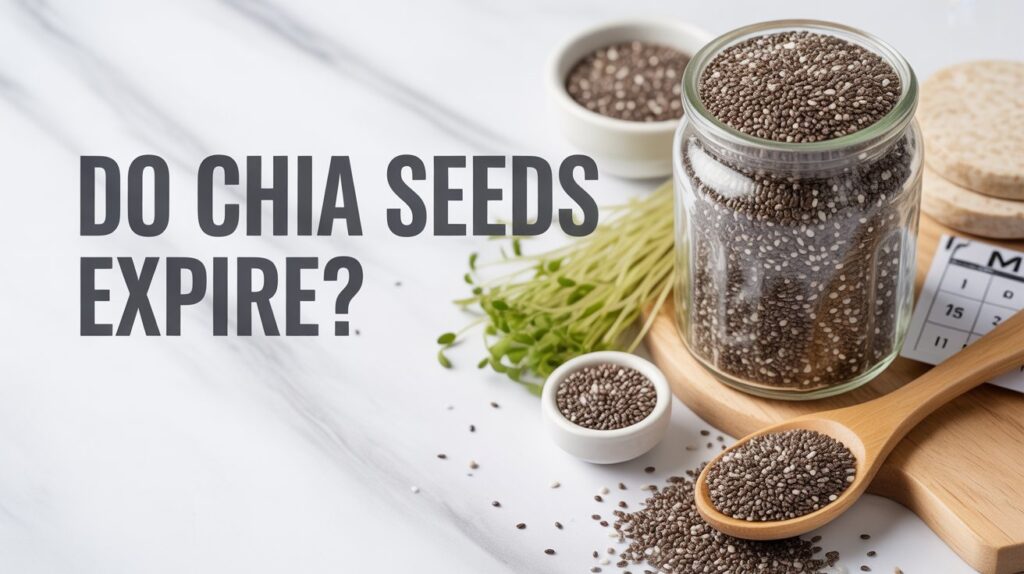
Chia seeds are a popular health food, but many people still wonder, do chia seeds expire after sitting in the pantry for months or even years. These tiny seeds are known for their impressive chia seeds shelf life, which is longer than many other seeds and grains.
However, like most natural foods, they can slowly lose freshness if they are not stored properly. Factors such as heat, moisture, and exposure to light and air can affect the shelf life of chia seeds and reduce their quality over time. Learning how to store chia seeds correctly helps maintain their taste, texture, and nutrients for a long period.
While they rarely spoil quickly, poor storage can still cause changes in smell or flavor. Understanding chia seeds expiration and proper storage methods will help you keep them fresh, safe, and ready to use in everyday meals.
What Are Chia Seeds?
Chia seeds come from the Salvia hispanica plant, a flowering herb native to Central America. Long before modern health trends appeared, the ancient Aztecs and Mayans valued these seeds as a daily energy source. Today they are known as superfood chia seeds because they contain fiber, minerals, and healthy fats.
In modern kitchens, these seeds support a healthy diet while also having an impressive chia seeds shelf life. Because of their natural oils and nutrients, people often ask do chia seeds go bad or can chia seeds expire over time. The answer depends greatly on storage and pantry storage conditions.
Nutritional Profile and Health Benefits of Chia Seeds
Nutrition experts often describe chia as a powerhouse seed. The impressive chia seeds nutrition profile includes fiber, omega-3 fatty acids, plant protein, magnesium, and antioxidants. These nutrients help digestion and may support heart health while keeping you full longer.
Many dietitians say adding them daily helps balance meals. Their nutrient density explains why they are called superfood chia seeds. However, keeping these benefits requires preserving chia seeds freshness. Poor storage can trigger the oxidation process, which slowly reduces nutrient quality.
Key Nutrients in Chia Seeds
| Nutrient | Benefit |
| Fiber | Supports digestion |
| Omega-3 fats | Supports heart health |
| Calcium | Supports bone strength |
| Antioxidants | Protects cells |
Do Chia Seeds Expire or Go Bad?
Many people worry when they see an expiration date on their package. The truth is that chia seeds expiration dates are usually guidelines. Seeds rarely spoil quickly but they can degrade slowly if storage conditions are poor.
Yes, do chia seeds go bad eventually. Exposure to moisture, heat, and oxygen speeds up the oxidation process. Over time this can create a rancid smell in seeds and reduce taste quality. Preventing exposure to light and air helps maintain seed freshness and quality.
How Long Do Chia Seeds Last?
Many pantry foods spoil quickly but chia seeds are different. When stored correctly, the shelf life of chia seeds can reach several years. In a cool environment, the chia seeds shelf life may reach two to four years.
People also ask how long do chia seeds last after opening. Once opened, seeds remain safe for one to two years if you follow good storing chia seeds properly techniques. Proper moisture and humidity control helps slow the oxidation process.
Shelf Life of Unopened vs Opened Chia Seeds
The unopened chia seeds shelf life is usually longer because the packaging protects them from air and moisture. Manufacturers often use special sealing methods such as modified atmosphere packaging to reduce oxygen exposure.
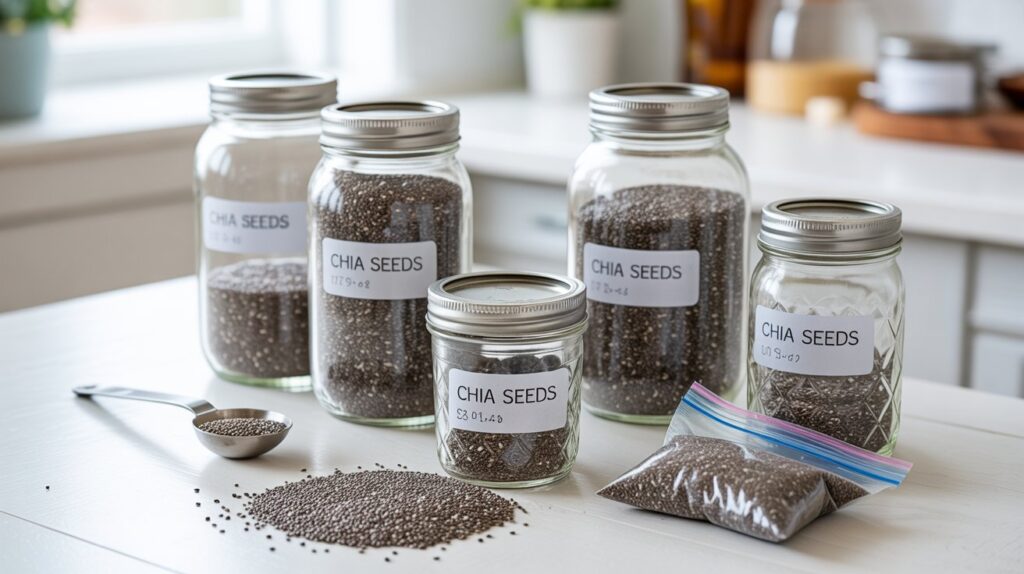
The opened chia seeds shelf life becomes shorter after the package is opened. Oxygen enters the container and slowly affects the seeds. Therefore, the best way to store chia seeds after opening is to use airtight container storage that limits exposure to light and air.
Typical Shelf Life Comparison
| Condition | Estimated Shelf Life |
| Unopened package | 2–4 years |
| Opened container | 1–2 years |
| Refrigerator storage | Up to 3 years |
Factors That Affect the Shelf Life of Chia Seeds
Several conditions influence the chia seeds shelf life. Temperature is one of the most important. Warm kitchens increase the oxidation process and reduce seed freshness and quality.
Another factor involves pantry storage conditions and air exposure. Poor moisture and humidity control may cause early spoilage. Limiting exposure to light and air is essential when learning how to keep chia seeds fresh.
Signs That Chia Seeds Have Gone Bad
Identifying chia seeds spoilage signs protects your health. Fresh seeds usually smell mild and slightly nutty. If you notice a rancid smell in seeds, it means oils inside the seeds have begun to spoil.
Visual changes also matter. A color change in seeds or visible mold on chia seeds indicates contamination. Sometimes spoiled seeds also develop a bitter or sour taste, which signals poor seed freshness and quality.
How to Properly Store Chia Seeds
Knowing how to store chia seeds can dramatically extend the shelf life of chia seeds. A kitchen cabinet works well if it stays cool and dry. Good chia seeds pantry storage protects seeds from heat and sunlight.
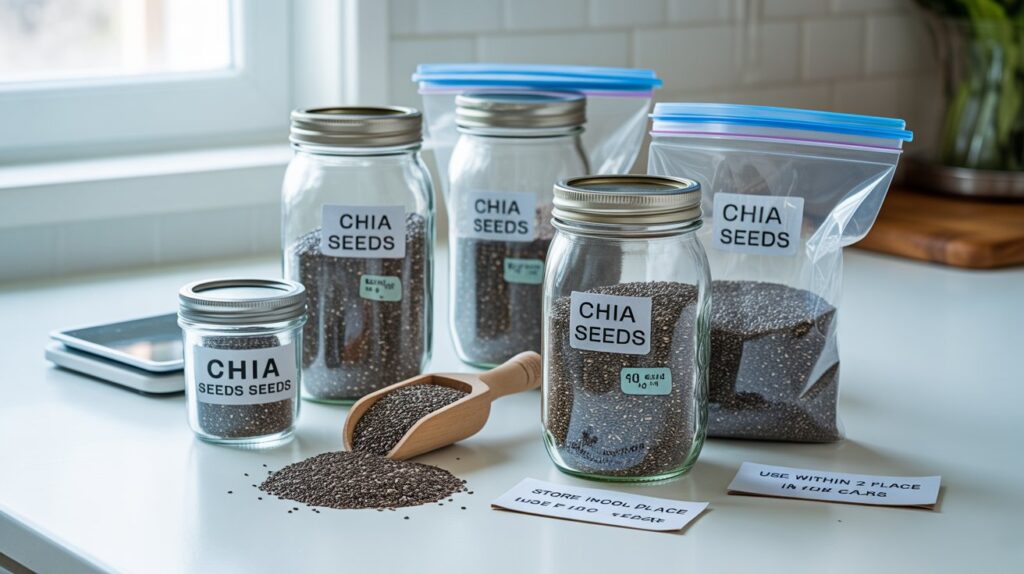
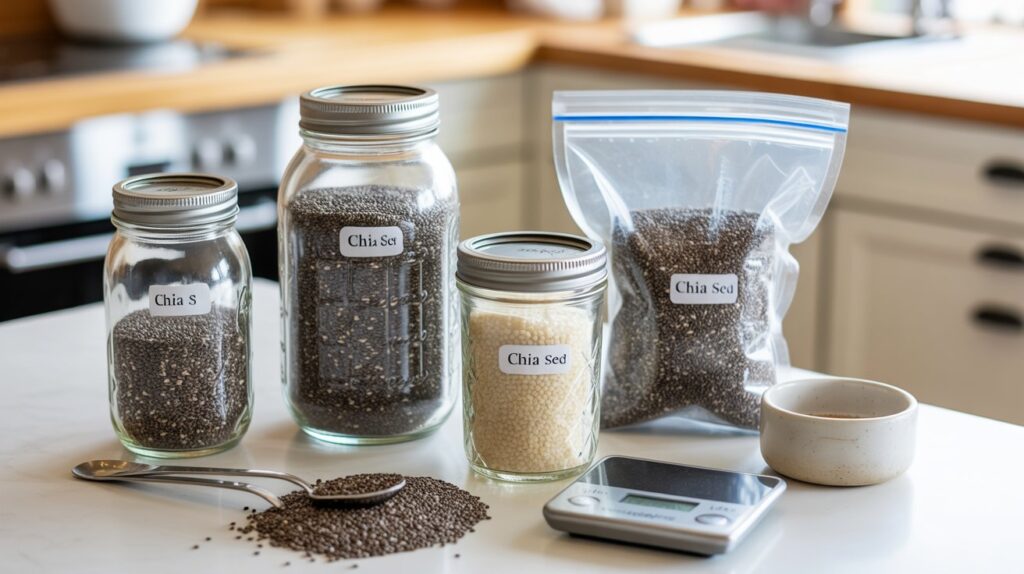
Experts recommend airtight container storage such as glass jars with tight lids. These containers reduce exposure to light and air while improving moisture and humidity control. Proper storage also helps with preventing food spoilage.
Should You Refrigerate Chia Seeds?
Some households choose chia seeds in refrigerator storage to increase freshness. Cold temperatures slow the oxidation process and maintain seed freshness and quality for longer periods.
However, refrigeration is not always necessary. In dry climates, cool dry place storage works well. Still, refrigeration for seeds becomes useful in humid environments where moisture and humidity control is harder to manage.
Can You Freeze Chia Seeds?
Many people wonder if freezing chia seeds damages them. Fortunately, freezing does not harm the nutrients or flavor. It can even extend the chia seeds shelf life for several years.
Freezers reduce oxygen exposure and slow chemical changes. Using vacuum sealing food storage before freezing improves preserving chia seeds freshness. This method also supports long-term preventing food spoilage.
Tips to Extend the Shelf Life of Chia Seeds
Smart storage habits make a huge difference in the shelf life of chia seeds. Using the best way to store chia seeds helps protect nutrients and flavor.
Important chia seeds storage tips include maintaining cool dry place storage, limiting exposure to light and air, and improving moisture and humidity control. These steps support long-term preserving chia seeds freshness.
Quick Storage Guide
| Storage Method | Freshness Level |
| Pantry jar | Good |
| Refrigerator container | Better |
| Vacuum sealed freezer bag | Best |
Best Containers for Storing Chia Seeds
The container you choose affects storing chia seeds properly. Glass jars with tight lids offer excellent airtight container storage and block moisture effectively.
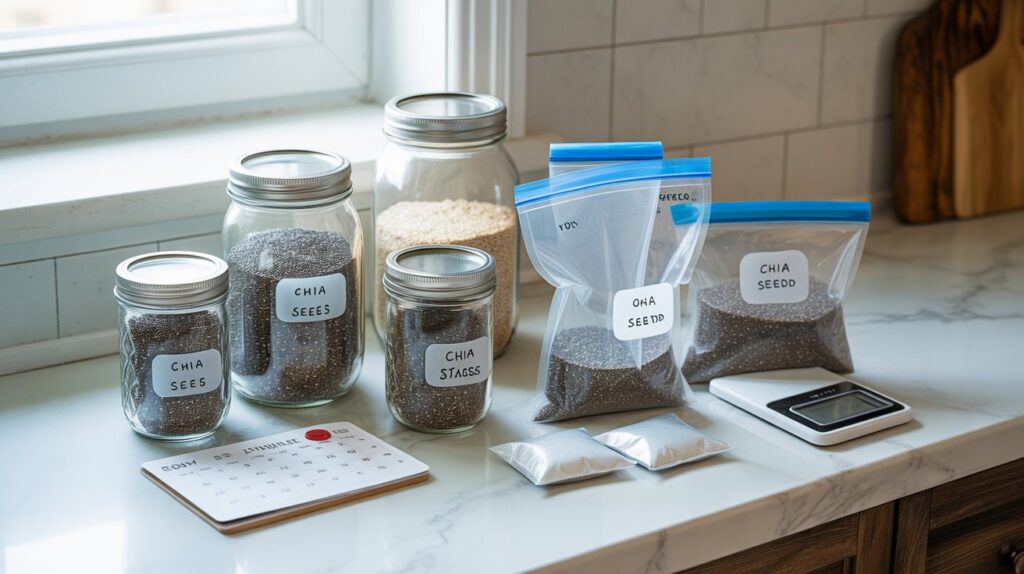
Another method involves vacuum sealing food storage. This technique removes air from packaging and slows the oxidation process. Strong containers also protect seeds from exposure to light and air, improving seed freshness and quality.
How to Use Chia Seeds in Your Daily Diet
Once you know how to keep chia seeds fresh, you can use them in many meals. Their mild flavor blends easily with smoothies, oatmeal, yogurt, and baked goods.
The high chia seeds nutrition value makes them ideal for breakfast bowls and healthy desserts. Even a small spoonful supports digestion and heart health. That explains why superfood chia seeds remain popular among nutrition experts.
Common Mistakes to Avoid When Storing Chia Seeds
Many people reduce the chia seeds shelf life by making simple storage mistakes. Leaving seeds in open bags exposes them to oxygen and moisture.
Another mistake involves poor pantry storage conditions such as storing seeds near heat sources. These conditions speed up the oxidation process and reduce seed freshness and quality, eventually leading to early chia seeds expiration.
Frequently Asked Questions
Are expired chia seeds safe to eat?
Yes, slightly expired chia seeds may still be safe if they smell normal and show no chia seeds spoilage signs, but their quality and nutrition may decrease.
How can I tell if my chia seeds are bad?
Bad chia seeds often have a rancid smell, a color change in seeds, or a bitter taste instead of their usual mild, nutty flavor.
Can chia seeds last 5 years?
If stored in a cool, dry place with airtight container storage, chia seeds can sometimes last close to 4–5 years, though freshness gradually declines.
Can chia seeds help in ovulation?
Chia seeds contain omega-3 fats, fiber, and minerals that support overall reproductive health, which may help balance hormones related to ovulation.
What hormone does chia seeds increase?
Chia seeds may support healthy levels of estrogen balance because their nutrients and omega-3 fatty acids help regulate hormone function.
Which foods make sperm thicker?
Foods rich in zinc, omega-3s, and antioxidants such as pumpkin seeds, walnuts, eggs, bananas, and chia seeds may help improve sperm quality and thickness.