Few people have ever eaten a truly ripe American persimmon; that’s too bad. And when fully ripe, this wild fruit boasts an astonishing 30% sugar content, one of the most concentrated sweet and energy sources in nature. Persimmons are a high-calorie fruit, with 127 calories per 100 grams — more than most other fruits except avocado.
The American persimmon (Diospyros virginiana) has been feeding people throughout much of the Eastern United States for thousands of years. Unlike those Asian cousins you see in grocery stores, American persimmons offer a rich, honeylike sweetness not transportable commercially. The only way to enjoy this amazing fruit is to have your very own tree, and the most glorious journey begins with a persimmon seed.
Raising seed of persimmon joins you to this wonderful native as you enjoy a lifetime of delicious fruit. Whether you want the health benefits, are thrilled about a new addition to the cooking pantry, or simply care about supporting native ecosystems, it’s easy, if not downright rewarding, to start gardening with persimmon tree seeds.
The Nutrient-Packed In Each Seed of Persimmon
What’s Inside a Persimmon Fruit
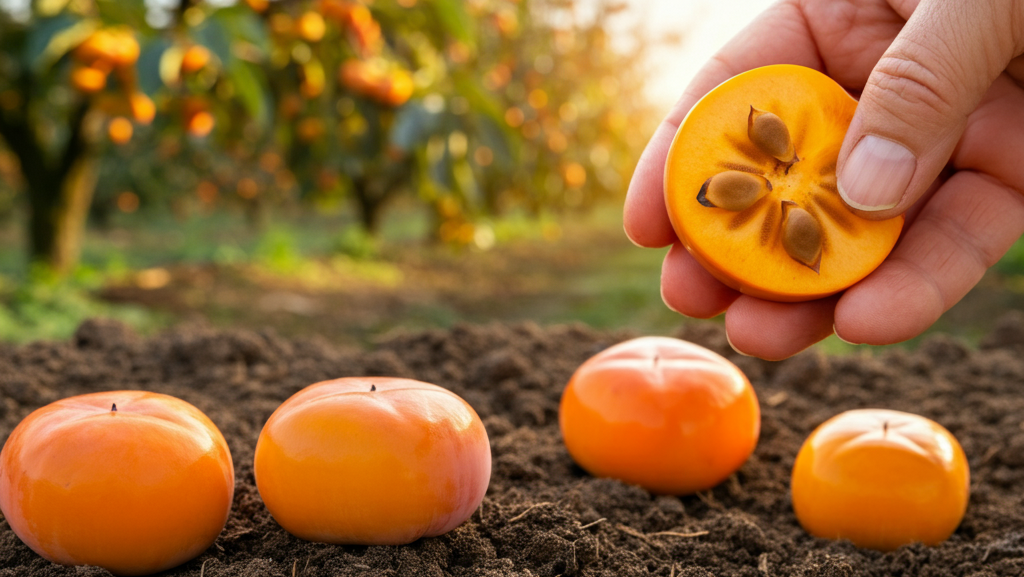
There are several flat, brown seeds of persimmon inside each fruit, each with the genetic potential to produce fruit for decades. A seed of persimmon, inside contains a stone cell, protecting an embryo from whatever life may throw at it. Once the seeds are properly prepared, however, they seem to endure the elements quite well and can make a tree that will live over 100 years!
Health Benefits Beyond the Fruit
From beauty to wellness uses of seed oil of seed of persimmon. Most of us may know about the impressive vitamin C and dietary fiber content present in fruits, but little did we realise that what comes with a fruit is something traditional and used throughout history for its medicinal aspects too. The seeds themselves have useful compounds that can benefit your digestion, but the most important value is their potential to blossom into a fruit-bearing tree.
Nutritional Profile of Persimmon Fruit
American persimmons deliver exceptional nutrition:
- High in Vitamin C, which supports immune function
- Significant fiber for digestive health
- Potassium for heart health
- Antioxidants including beta-carotene
- Natural sugars provide sustained energy.
How to Grow Persimmon Trees from Seed of Persimmon : Step by Step!
Seed of Persimmon Extraction
Knowing how to extract seed of persimmon is the first step toward germination. Select fruits that are fully ripe, soft, and have fallen from the tree naturally. After slicing the fruit open and removing the seeds, thoroughly rinse it to eliminate any remaining pulp. Well-cleaned seed inhibits mold in stratification.
Understanding Germination Requirements of Seed of Persimmon
Cold stratification is necessary for breaking dormancy of seed of persimmon, as it assumes the presence of winter conditions. Without this essential step, germination levels fall dramatically. Mix dry seeds with slightly damp peat moss or vermiculite, put in a resealable plastic bag, and refrigerate for 3-4 months.
Planting Timeline of Seed of Persimmon
Late fall is the ideal time to begin propagating of seed of persimmon so that it can be cold stratified during winter, when it would happen naturally. For outdoor planting, When the soil temperature reaches a steady 60°F, sow stratified in the spring.
Optimal Growing Conditions for Seed of Persimmon
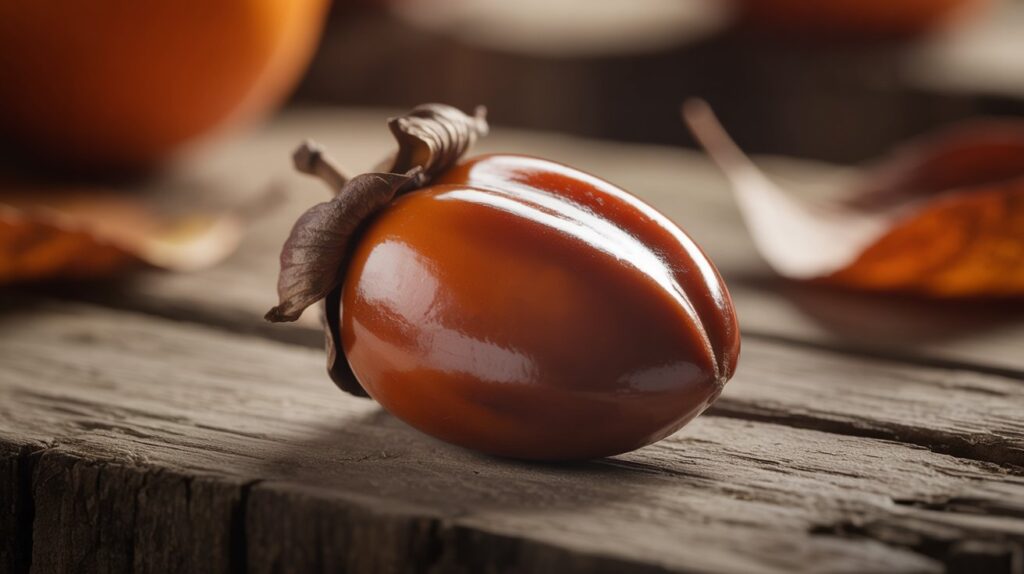
The growing seed of persimmon needs care in certain aspects- public points.
Soil: Rich, loamy, and well-draining with a pH of 6.0 to 7.5
Site: Full sun is the best sun exposure for a good fruit set. Profile>Title Size Specs Nut Lateral 30 words Nuts Considered one of the most nutritious nuts Rank No Sort Name/ Description USDA Size (inches) Weight/Potency Piece Price Per Pound Shell Texture at Maturity Medium Mendocino Large Prolific bearer, large kernel Has been described by some as very sweet and mild in flavor with a thin membrane.Fetch Full Source
Water: Regular during establishment, drought-tolerant when mature
Spacing: 20-30′ at maturity
Persimmon Seedling Development and Care
Early Growth Expectations for seed of persimmon
Sprouting will generally take 2 – 8 weeks for persimmon seeds planted in warm soil that has been stratified. Young growth is in the form of a single stem carrying alternate, oval leaves. One-year-old seedlings can be 12′-18′, growing actively underground.
Persimmon Seedling Development Stages
Years 1-2: Establishing roots, foundational structure (if trunk was in tree a little while)
Age 3-5: Fast upwards growth habit with tree form bark growing characteristics.
6-10 years: Sexual maturity begins, flowers develop
Years 8-15: Decent fruiting (from seed-grown trees)
Long-term Care Requirements for Seed of Persimmon
Persimmon tree planting care is for more than just the first year. Young trees benefit from:
Regular watering during dry spells
Mulching to retain soil moisture
Protection from deer browsing
Little care is required to maintain the natural shape.
Persimmon Varieties and Sources of Seeds
Popular Cultivars for Seed Growing
The following discussed seed of persimmon varieties are also good choices for sale.
Prok x Szukis crosses are around 75% female–way better odds for females that produce fruit. This cross is my favorite home orchard genetics.
Galore variety seeds are from mother trees that have a reputation for high fruit-bearing tendency, producing medium to large-sized fruits, and are super sweet.
Red Feather picks give you extra-large fruit and a more manageable habit.
Determining Tree Sex
Persimmon trees are usually dioecious, that is, each tree is either male or female. You need both sexes for good fruit production, although some trees can be self-fertile. Sex determination entails a time lag of 4-6 years until the flower opens, so choosing cultivars is critical to attain the expected sex type.
Creative Persimmon Harvest Inspirations For Your Garden
Traditional Culinary Applications
American persimmons really glow in these classic recipes:
- Persimmon pudding: A classic Midwest dessert. Persimmon pudding, adapted from an Ask the Experts recipe.
- Persimmon cookies: The soft, cake-like feeling of these comes from the pulp of the fruit
- Persimmon bread: Like banana bread, but just a little different from anyone else’s
- Fresh eating: Wait for the fruit to become completely soft for the highest sugar-percent-aged sweetness.
Modern Cooking Applications
Contemporary chefs appreciate persimmons for:
- Smoothies and breakfast bowls
- Savory glazes for meats
- Fruit leather and dried snacks
- Fermented beverages
Preserving Your Harvest
Persimmon pulp freezes very well, and will keep its nutrition for all-year use. Pull out seeds, puree the pulp, and then freeze in an ice cube tray for ease of use.
Maximizing Success with Seed of Persimmon
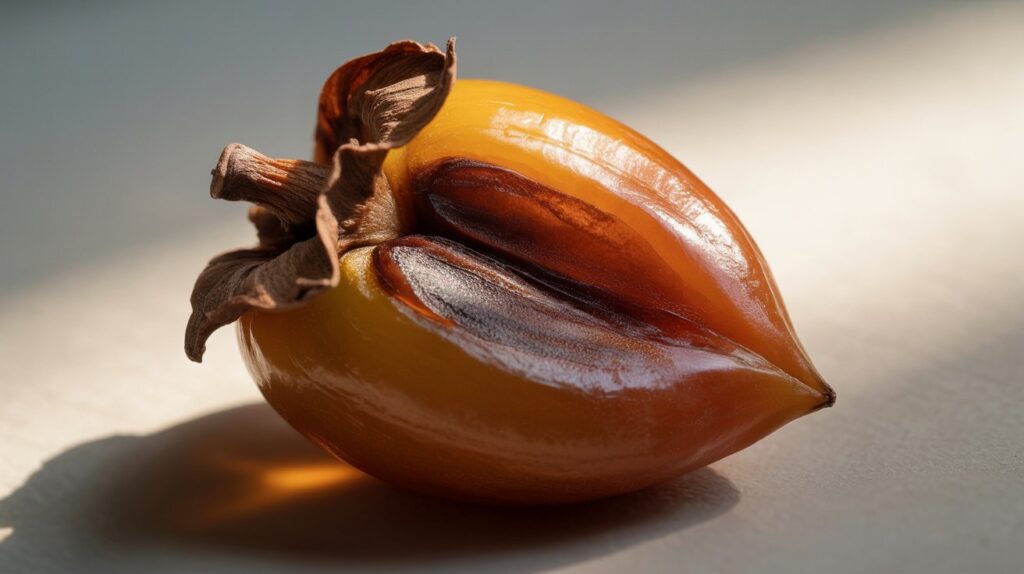
Seed Quality and Storage
Small Persimmon tree seed -This is fresh-picked from my own persimmon trees -You are bidding on 1 to 25 seeds for sale. Seeds can be refrigerated in a somewhat moist state for months; however, fresh seeds always yield the best results.
Troubleshooting Common Issues
Low germination often results from:
- Insufficient cold stratification time
- Dried seeds after storage
- Planting in cold soil too soon
- Poor drainage is causing seed rot.
Harvesting Seeds from Wild Trees
Collecting Persimmon Seeds From Wild Trees for Genetic Diversity and Local Adaptation. Select the fruits of healthy, prolific trees in your neighborhood. The genetics of the wild tend to be more rugged than commercial cultivars.
Frequently Asked Questions
What are the procedures for extracting seeds from the persimmon fruit?
Open up a fully ripe, soft persimmon and take out the flat, brown seeds. Rinse all fruit pulp from seeds and drain well, spread on a paper towel to dry before storing or seed treating.
When is the best time to plant persimmon seed?
Sow stratified seeds in spring when soil temperatures are reliably at 60°F, or begin cold stratification in late fall to early winter for planting in the spring.
How soon will a persimmon seed sprout?
Gently rubbing the seeds together will help to remove any remaining pulp and aid germination. After correct cold treatment, persimmon seeds generally sprout within 2-8 weeks when planted in warm, moist soil.
Persimmon seedling soil requirements?
Persimmons thrive in well-drained, fertile loam with a pH of 6.0 to 7.5. They will tolerate clay soils with good drainage, but do poorly in wet spots.
How do I determine if my persimmon tree is male or female?
Sex determination requires flowers, which are produced after 4-6 years. Larger solitary female flowers develop into fruits. The male flowers are smaller and in groups of bunches.
Is there a place where I can buy persimmon seeds?
Quality nurseries and some specialty seed vendors sell persimmon seeds. Check if suppliers provide information on specific cultivars and good storage.
Is cold stratification necessary for persimmon seeds?
Yes, persimmon seeds need 90-120 days of cold stratification at 32-40°F to break dormancy and get a good germ rate.
What are the varieties of persimmon seeds for planting?
Early-ripening sorts of American hazel are Early Golden; large-fruited ones are Meader, high-yielders – Prok and crosses with nymph (Szukis).
How many years does it take for a persimmon tree to have fruit when planted from seed?
It usually takes 8 -15 years to produce fruit from persimmon seedlings, some of which can even bear fruit earlier if well looked after and with good genetic conditions.
Is it possible to grow a persimmon in pots?
If you are growing young persimmon trees, then they can be kept in a sizable container (20 gallons or more) for multiple years, but soon enough, you will need to plant them in the ground for them to thrive.
Start Your Persimmon Journey Today
On this continent, American persimmons are arguably America’s most baffling native, and each Fall when their trees droop under thousands of full-grown fruits with no other life form in sight that can appreciate them, I have to wonder why these haven’t become a staple food crop. Planting and cultivating these trees from seed connects you to an age-old foodway and naturally supplies your household with an ingredient that is scrumptiously good for all members of the family, which can’t be bought.
The process demands patience — persimmon seed germination and the development of trees requires time — but the benefits extend over generations. Whether you are inspired by nutrition, sustainability, or a love of cooking, seed-grown persimmon trees are the unbeatable way to benefit from a unique combination of natural beauty, productivity, and ecological worth.
Looking to start your own persimmon orchard? Purchase quality seeds from reputable dealers, and take steps to prepare for stratification while planning your planting space. Your future self will thank you starting now for having taken this first step toward homegrown persimmon abundance.