
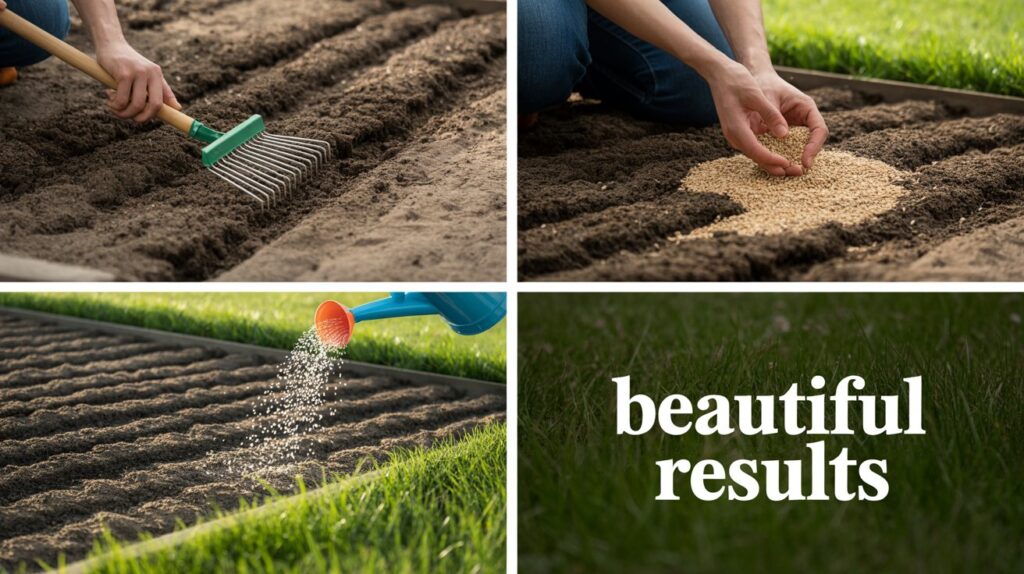
Creating a lush green lawn begins with understanding how to plant grass seed the right way. Many homeowners dream of a thick yard, yet success depends on proper planning and technique.
The process starts with selecting quality lawn grass seed that suits your climate and soil. Good lawn soil preparation also plays a big role because healthy soil allows roots to grow strong and deep. When you focus on correct planting grass seed methods, you improve the chances of fast grass seed germination and even coverage.
A well-seeded lawn does more than improve appearance. It helps control soil erosion and creates a cooler outdoor space around your home. With patience and the right approach, anyone can grow strong turf that looks vibrant throughout the seasons and supports lasting healthy lawn growth.
Understanding Grass Types and Choosing the Right Seed
Before planting grass seed, you must understand the major turf grass varieties used in the United States. Different grasses grow well in different climates. Choosing the best grass seed for climate ensures successful lawn establishment. Northern states often grow cool-season grasses like Kentucky bluegrass and fescue. Southern states prefer warm-season grasses such as Bermuda and Zoysia.
Climate, sunlight, and soil quality affect grass seed germination and long-term growth. Many homeowners also use grass seed for bare spots or lawn repair seed when lawns become thin. A quality seed mixture supports reseeding a lawn and improves the success of overseeding lawn projects.
Popular Lawn Grass Types in the United States
| Grass Type | Climate | Germination Speed |
| Kentucky Bluegrass | Cool regions | Medium |
| Perennial Ryegrass | Cool regions | Fast |
| Tall Fescue | Cool regions | Medium |
| Bermuda Grass | Warm regions | Medium |
| Zoysia Grass | Warm regions | Slow |
Best Time of Year to Plant Grass Seed
Timing strongly influences success when learning how to plant grass seed. The best time to plant grass seed usually depends on climate zones. In northern regions, early fall offers ideal conditions. The soil remains warm while the air cools. These conditions support faster root development.
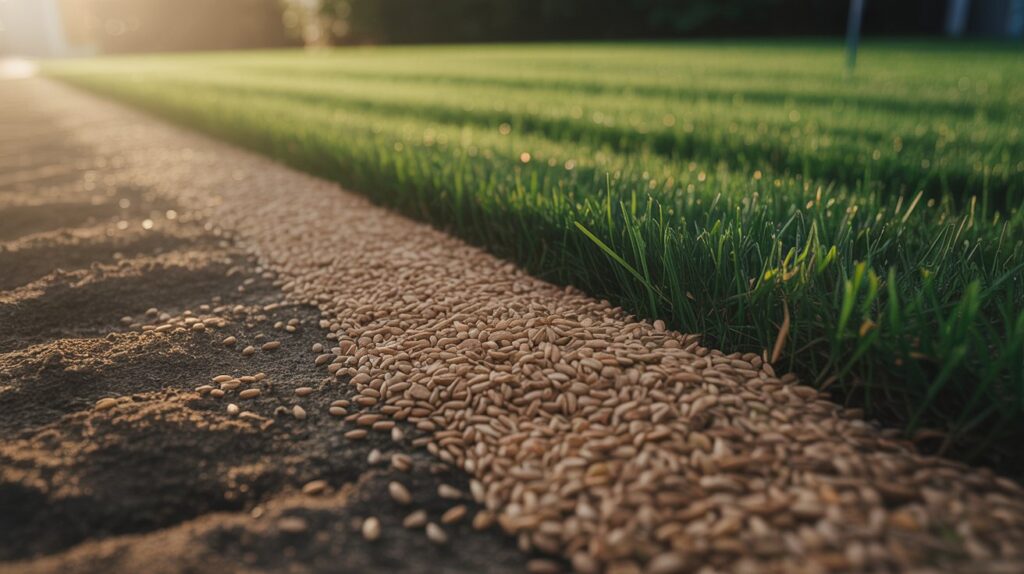
Spring also works well for planting grass seed in spring in cooler climates. However, weeds grow quickly during this season. Many lawn experts prefer planting grass seed in fall because weeds grow less and moisture levels remain stable. These conditions improve grass seed germination time and support stronger lawn establishment.
Preparing the Area Before Planting Grass Seed
Proper site preparation is essential before starting planting grass seed. Remove rocks, weeds, and old grass from the area. This process is called preparing ground for grass seed. Clean soil allows roots to spread easily and improves early grass seed germination.
Many homeowners prepare the space when doing new lawn installation or repairing damaged areas. If pets cause damage, you may also need repairing dog urine lawn spots. Areas damaged by heat or traffic may require fixing brown spots in lawn using fresh lawn repair seed.
How to Prepare Soil for Grass Seed
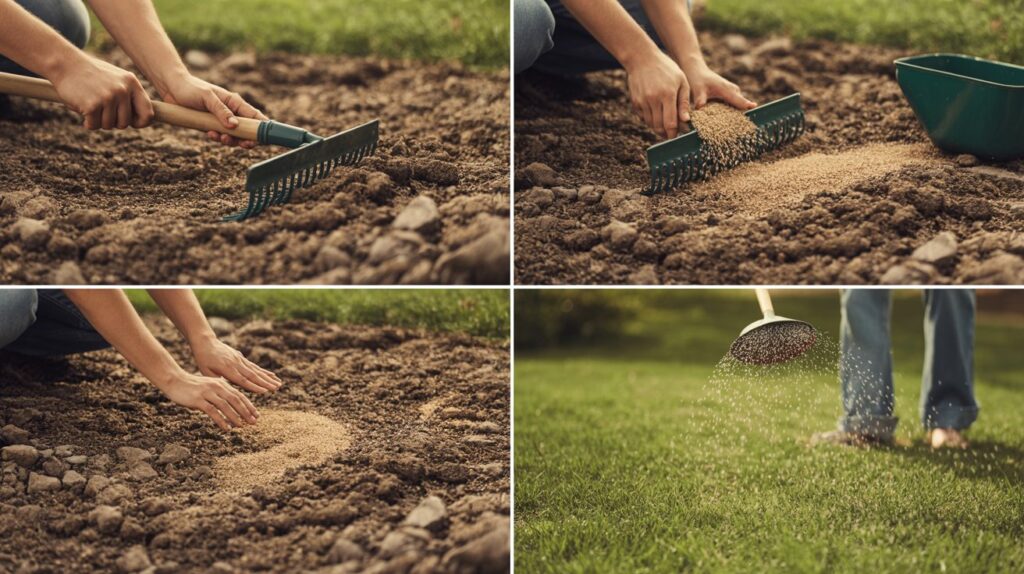
Healthy lawns begin with careful preparing soil for grass seed. Good lawn soil preparation allows roots to grow deeply and access nutrients. First loosen compacted soil using a rake or shovel. This improves oxygen flow and water movement.
Experts recommend checking soil texture during soil preparation for new lawn. Sandy soil drains quickly while clay soil holds water longer. Adding organic matter such as compost for lawn seeding or mushroom soil mulch improves soil structure and supports strong healthy lawn growth.
Ideal Soil Conditions for Grass Seed
| Factor | Ideal Condition |
| Soil pH | 6.0 – 7.0 |
| Soil Texture | Loose and well-drained |
| Organic Matter | Compost enriched |
Step-by-Step Process to Plant Grass Seed
The core step in how to plant grass seed is spreading seeds correctly. Begin with loose and level soil. Scatter seeds evenly across the ground using your hands or a lawn seed spreader. Proper grass seed distribution ensures balanced growth across the yard.
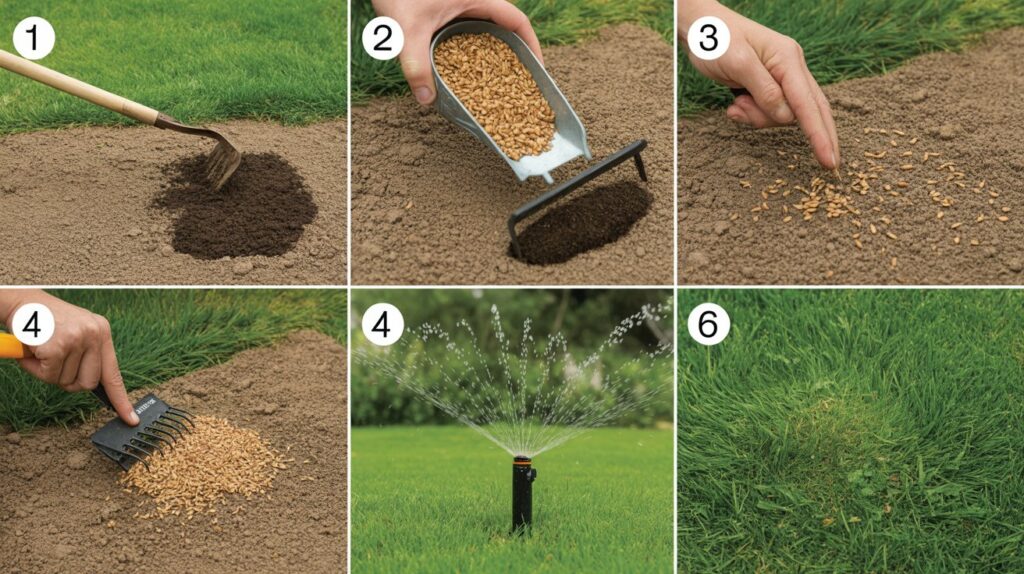
Seeds must also contact soil properly. Light raking covers seeds slightly. This improves how deep to plant grass seed while protecting them from birds. Correct grass seed spacing guide practices prevent overcrowding and encourage strong grass seed germination.
How to Spread Grass Seed Evenly for Better Coverage
Even spreading helps prevent patchy lawns. Many homeowners use a mechanical lawn seed spreader for larger spaces. This tool ensures consistent grass seed distribution during planting grass seed.
Uniform coverage supports successful overseeding lawn projects. For smaller yards, spreading seed by hand works well. A second pass across the area ensures better coverage. Following a proper grass seed spacing guide reduces competition between plants and improves healthy lawn growth.
What to Put on Top of Grass Seed After Planting
After planting grass seed, it is important to protect the seeds. Gardeners usually apply mulch for grass seed to keep moisture in the soil. Good options include straw mulch for lawns, compost for lawn seeding, or mushroom soil mulch.
These materials also help when covering grass seed after planting. Mulch prevents seeds from washing away during rain. Many experts consider straw the best mulch for grass seed because it holds moisture without blocking sunlight.
Watering Grass Seed the Right Way
Water management plays a major role in how to plant grass seed successfully. During early growth, focus on watering new grass seed lightly but often. Moist soil supports steady grass seed germination.
A proper lawn watering schedule is essential. Many homeowners ask how often to water grass seed. During warm weather watering may be required daily. Once seedlings grow stronger, watering becomes less frequent but deeper. This helps roots grow further into the soil.
How Long Does Grass Seed Take to Germinate
Many people ask how long does grass seed take to grow after planting grass seed. The answer depends on grass type and weather. Grass seed germination time varies between species.
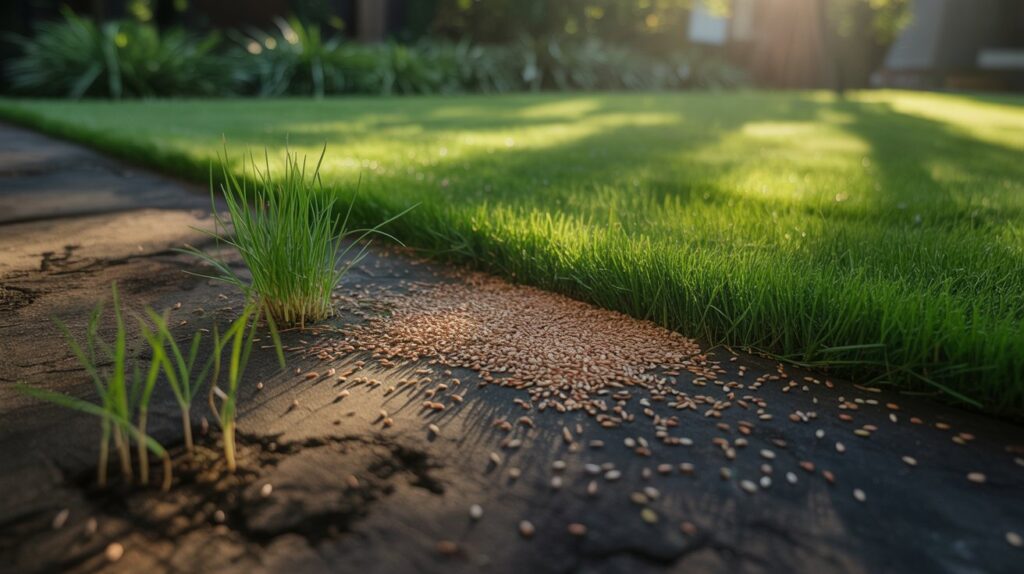
Fast growing grasses like ryegrass may sprout in 5 days. Kentucky bluegrass can take two weeks or longer. Weather conditions, soil moisture, and sunlight influence grass seed germination and early lawn establishment.
Average Germination Times
| Grass Type | Germination Time |
| Ryegrass | 5–10 days |
| Fescue | 7–14 days |
| Kentucky Bluegrass | 14–21 days |
| Bermuda | 10–30 days |
Planting Grass Seed in Fall vs Spring
Choosing between planting grass seed in fall or planting grass seed in spring depends on climate and weather patterns. Fall offers warm soil and cooler air. These conditions support stronger roots and faster grass seed germination.
Spring planting works well when winters are harsh. However weeds compete with new seedlings during this season. Regardless of timing, careful preparing ground for grass seed and correct watering will improve success when learning how to plant grass seed.
How to Care for Newly Planted Grass Seed
Young grass plants require careful attention after planting grass seed. Limit walking on newly seeded soil. Gentle watering protects fragile roots. Proper lawn care for new grass helps prevent damage.
Regular observation helps identify early problems. If thin areas appear, gardeners may apply grass seed for bare spots. This technique improves density and supports strong new grass maintenance.
When to Mow New Grass for the First Time
Homeowners often wonder when to mow new grass after planting grass seed. Experts recommend waiting until grass reaches about three inches tall. Early mowing may damage tender roots.
Sharp mower blades also protect new turf. Clean cuts reduce disease risks. Proper timing supports successful new grass maintenance and encourages dense healthy lawn growth.
When and How to Fertilize New Grass
Nutrients support strong turf after planting grass seed. However fertilizing too early can damage seedlings. Wait until grass grows strong enough for mowing. At that stage apply nutrients through proper lawn fertilization.
Organic fertilizer often works best for fertilizing newly seeded lawn. Balanced nutrients support root growth and improve soil health. This step strengthens long-term lawn establishment.
Common Mistakes to Avoid When Planting Grass Seed
Many lawns fail because basic steps were skipped during planting grass seed. Poor lawn soil preparation often causes weak growth. Seeds also fail when they lack proper soil contact.
Incorrect watering can also damage new lawns. Overwatering causes fungus while underwatering slows grass seed germination. Understanding these mistakes helps gardeners master how to plant grass seed effectively.
Tips for Maintaining a Healthy and Thick Lawn
A strong lawn continues improving long after planting grass seed. Regular mowing, deep watering, and seasonal lawn fertilization keep grass dense and green. Many homeowners also practice reseeding a lawn every year to fill thin areas.
Good maintenance encourages long-term healthy lawn growth. Occasional overseeding lawn treatments improve thickness and reduce weeds. With patience and consistent care, a lawn can remain vibrant for many years.
Expert Quote
“Healthy lawns begin with good soil and patience,” explains turf specialist Dr. Mark Johnson. “Most homeowners rush the process, yet careful soil preparation and watering make the biggest difference.”
A beautiful lawn does not happen overnight. However by learning how to plant grass seed, choosing the right lawn grass seed, preparing soil carefully, and maintaining proper watering, anyone can grow a thick green yard that enhances the entire landscape.
FAQ’s
Can I just throw down grass seed?
You can scatter grass seed on the ground, but it may not grow well without proper soil preparation and watering. For better results, loosen the soil and lightly cover the seeds so they make good contact with the soil.
What is the best way to plant grass seed?
The best method is to prepare the soil, spread the seed evenly using a spreader or by hand, lightly rake it into the soil, and keep the area moist until the grass begins to grow.
What month do you plant grass seed?
The best months depend on your region, but in most areas of the U.S., September and October are ideal for cool-season grasses, while late spring to early summer works best for warm-season grasses.
Do you plant grass seed on top or under soil?
Grass seed should be placed on the soil surface and lightly covered with a thin layer of soil or mulch so it stays moist and protected.
Is October too late to put down grass seed?
October can still be a good time to plant grass seed in many regions if temperatures are mild and the ground hasn’t frozen yet.
How much will a 50 lb bag of grass seed cover?
A 50-pound bag typically covers about 5,000 to 10,000 square feet, depending on the grass type and whether you are seeding a new lawn or overseeding.