
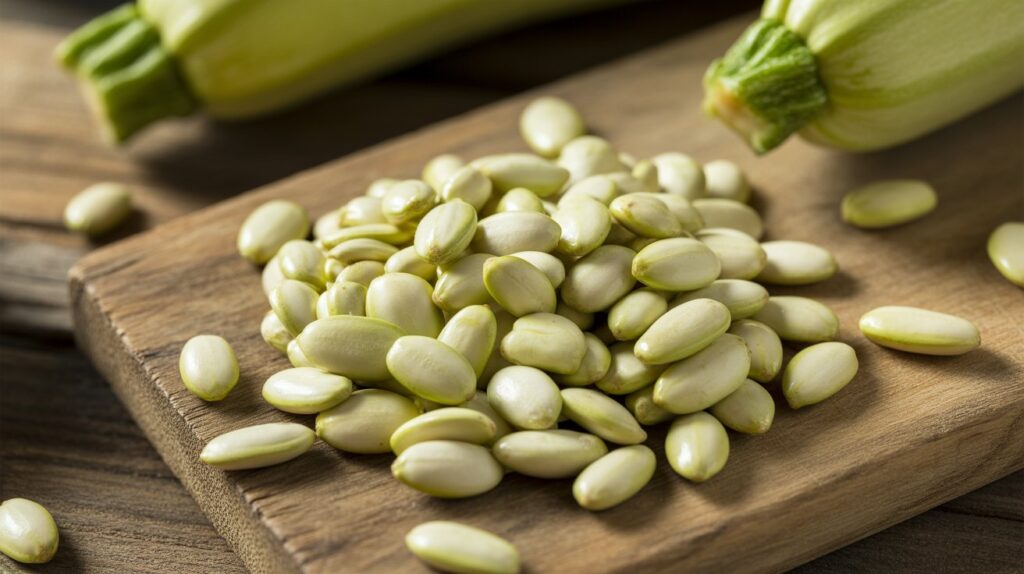
Zucchini is one of the most rewarding vegetables to grow at home. These prolific plants produce a lot harvests throughout the summer, making them ideal for both beginning gardeners and experienced green thumbs. Whether you’re dreaming of fresh zucchini bread, grilled summer vegetables, or want to experience the satisfaction of growing your own food, learning how to plant zucchini seeds properly sets the foundation for a successful harvest.
From selecting the right supplies to caring for established plants, this detailed guide guides you seeding zucchini. You’ll discover the optimal timing for seeding zucchini in temperate growing regions, master the techniques for preparing soil and planting depth, and learn how to nurture your zucchini plant seedlings into thriving, productive plants.
Seeding zucchini offers several advantages over purchasing transplants. Seeds are much less expensive than seedlings, give you access to special types that aren’t often available in nurseries, and give you complete control over the entire growing process. Additionally, there’s a profoundly fulfilling feeling when you see the first green shoots appear from soil you prepared yourself.
Essential Materials and Tools for Seeding Zucchini
Before you begin your seeding zucchini journey, gather these essential materials and tools to ensure success:
Seeds and Soil Amendments:
- High-quality zucchini seeds (store in a cool, dry place to maintain viability)
- Finished compost or well-aged manure
- Organic matter, like leaf mold or composted bark
- Balanced organic fertilizer (10-10-10 or similar)
Planting Tools:
- Garden spade or shovel for digging holes
- Hand trowel for precise planting
- Garden rake for soil preparation
- Measuring tape or ruler for proper spacing
- Watering can or hose with a gentle spray attachment
Protective Materials:
- Mulch (straw, grass clippings, or shredded leaves)
- Row covers or garden fabric for pest protection
- Stakes or plant supports, if needed
- pH testing kit to check soil acidity
Storage and Organization:
- Seed storage containers with tight-fitting lids
- Garden markers or labels for plant identification
- Garden journal for tracking planting dates and observations
Investing in high-quality tools and materials from the start saves time and reduces frustration later. Sharp, clean tools create cleaner cuts and minimize the risk of introducing diseases into your garden. Fresh, properly stored seeds germinate more reliably than old or improperly stored ones.
Perfect Timing: When to Plant Zucchini Seeds
For zucchini to be grown successfully, timing is essential. These warm-season crops require consistently warm soil for optimal germination and growth, as they are sensitive to frost.
Direct Sowing Schedule:
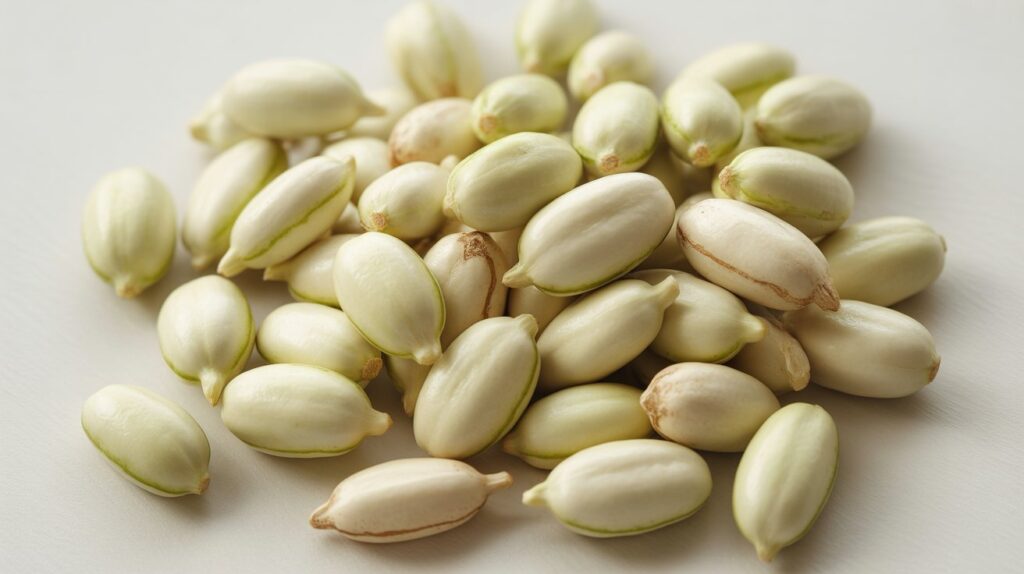
For temperate growing regions, seeding zucchini outdoors from late spring to early summer, after all danger of frost has passed. The soil temperature should regularly measure above 60°F (15°C) for the best germination rates. In most temperate zones, this window typically falls between May and June, depending on your specific microclimate.
Starting Indoors (Optional Approach):
If you prefer getting a head start on the growing season, begin seeding zucchini indoors 2-3 weeks before the last expected frost date. Use biodegradable pots to minimize root disturbance during transplanting—transplant seedlings outdoors when soil temperatures have warmed suitably, usually in late May or early June.
Succession Planting Strategy:
Consider seeding zucchini every 2-3 weeks throughout the growing season for continuous harvests. This technique extends your harvest period, ensuring a steady supply of fresh zucchini instead of being overwhelmed by all your fruits ripening at once.
Monitor local weather patterns and soil conditions carefully. Use a soil thermometer to verify temperatures before planting, as air temperature doesn’t always reflect soil conditions. Cold, wet soil can cause seeds to rot before germinating, while planting too late may not allow enough time for fruit development before fall frosts arrive.
Step-by-Step Zucchini Seed Planting Guide
Follow these detailed steps to plant your zucchini seeds for maximum success:
Preparing the Planting Site
Choose a sunny location that receives at least 6-8 hours of direct sunlight daily. Zucchini plants are heavy feeders that thrive in rich, well-draining soil with a pH between 6.0 and 7.5.
Begin soil preparation by digging holes approximately 12-18 inches across and 12 inches deep. Space these holes 3-4 feet apart to allow adequate room for mature plants. The generous spacing prevents overcrowding and reduces disease pressure by promoting good air circulation.
Remove any rocks, weeds, or debris from the planting area. If your soil is heavy clay or sandy, this is the perfect time to improve its structure.
Building Nutrient-Rich Hills
Zucchini plants benefit from growing in slightly raised hills that provide excellent drainage and focused nutrition. Fill each prepared hole with finished compost or well-aged manure, mixing in some of the original soil if desired.
Create a hill by mounding the displaced soil on top of the compost-filled hole. Pat the soil gently to create a flat planting surface approximately 12-18 inches across. The finished hill should rise about 6-8 inches above the surrounding ground level.
This hill-planting method offers several advantages: improved drainage prevents root rot, concentrated nutrients support vigorous growth, and the raised profile helps soil warm faster in spring.
Proper Seed Placement and Depth
Plant 3-4 zucchini seeds per hill, arranging them in a circle on the flat top of each mound. Space seeds 4-6 inches apart to give each potential plant adequate growing room initially.
Create planting holes approximately 1 inch deep using your finger or a small tool. The general rule for seed depth is to plant seeds at a depth equal to twice their width. Zucchini seeds are relatively large, so this 1-inch depth provides the perfect environment for germination.
Place one seed in each hole with the pointed end facing downward. This orientation helps the emerging root establish more quickly. Cover seeds lightly with fine soil, gently firming to ensure good seed-to-soil contact while avoiding compaction.
Initial Watering and Care
Water the newly planted hills thoroughly but gently to avoid disturbing the seeds. The soil should be evenly moist but not waterlogged. Use a watering can with a rose attachment or a hose with a gentle spray setting to prevent washing away soil or displacing seeds.
Apply a thin layer of organic mulch around each hill, keeping the mulch a few inches away from where seeds are planted. This conserves moisture, suppresses weeds, and moderates soil temperature fluctuations.
Monitoring Germination
Zucchini seeds typically germinate within 7-14 days under optimal conditions. Watch for the first green shoots to emerge, which will appear as large, oval-shaped seed leaves (cotyledons) followed by the first true leaves.
Once seedlings are well-established with several true leaves, thin each hill to the most vigorous 2-3 plants. This selective thinning concentrates the plant’s energy into fewer, more vigorous specimens that will produce better harvests.
Harvesting and Saving Zucchini Seeds for Future Planting
Learning to save zucchini seeds enhances your gardening investment and helps you preserve your favorite varieties. Although this process requires patience, it ultimately rewards you with free seeds for future seasons.
Selecting the Right Fruit
To harvest viable seeds, you must allow a zucchini to mature far beyond the eating stage. Select a healthy, well-formed fruit from a vigorous plant, ideally one you’ve hand-pollinated to ensure genetic purity. Leave this fruit on the plant for an additional 4-6 weeks past normal harvest time.
The zucchini is ready for seed harvest when it stops growing, develops a hard skin similar to a winter squash, and makes a hollow sound when tapped. The skin should be tough enough that you cannot easily indent it with your fingernail.
Extracting and Processing Seeds
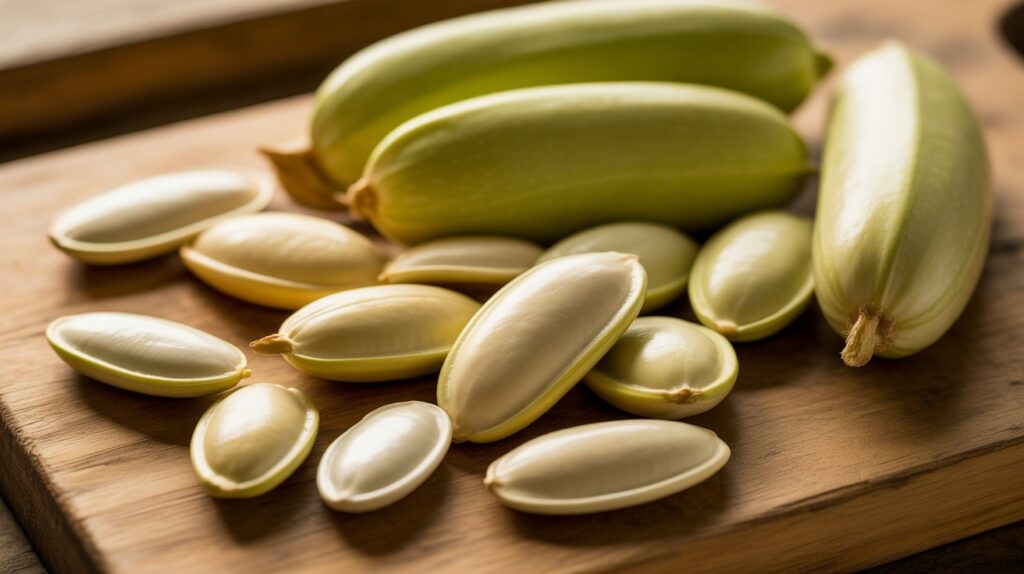
Cut open the mature zucchini using a sharp, heavy knife—exercise caution as the fruit will be pretty challenging. Scoop out all the seeds and surrounding pulp into a bowl. The seeds will be embedded in a gelatinous substance that needs to be removed for proper storage.
Add just enough water to create a slurry consistency, then allow the mixture to ferment for 1-2 days in a warm location. Fermentation removes the gel coating around seeds and improves germination rates. The mixture is ready when it develops a slightly sour, yogurt-like smell.
Cleaning and Drying Seeds
After fermentation, add more water to the mixture and stir gently. Viable seeds will sink to the bottom while debris and non-viable seeds float to the surface. Carefully pour off the floating material, retaining only the sunken seeds.
Rinse the good seeds thoroughly in clean water, then spread them on a screen or paper towels to dry. Rotate the seeds frequently during drying to prevent mold formation. Properly dried seeds will snap cleanly when bent rather than bending flexibly.
Store dehydrated seeds in paper envelopes or containers in a superb, dry location. Properly stored zucchini seeds remain viable for 4-6 years.
Caring for Your Zucchini Plants: Sunlight, Water, and Pest Management
Successful zucchini cultivation extends far beyond planting seeds. Proper ongoing care ensures healthy plants that produce abundant harvests throughout the growing season.
Sunlight Requirements
Zucchini plants demand full sun exposure, requiring 6-8 hours of direct sunlight daily for optimal growth and fruit production. Insufficient sunlight leads to weak, spindly plants with reduced yields and increased susceptibility to diseases.
Position your zucchini plants in the sunniest available garden location. In extremely hot climates, some afternoon shade can be beneficial to prevent leaf scorch, but morning and midday sun remain essential.
Monitor your plants throughout the growing season. If nearby trees leaf out and create shade, or if structures begin blocking light, consider relocating container-grown plants or pruning obstacles to maintain adequate light exposure.
Watering Best Practices
Proper watering technique significantly impacts plant health and productivity. Zucchini plants require consistent moisture but cannot tolerate waterlogged conditions that promote root rot.
Water deeply and regularly, aiming to keep soil consistently moist but not soggy. Apply water directly to the soil at the base of plants rather than overhead watering, which can encourage fungal diseases on leaves and fruits.
During establishment, newly planted seedlings may require daily watering in hot weather. Mature plants typically need 1-2 inches of water weekly, including rainfall. Mulching around plants helps retain soil moisture and reduces watering frequency.
Check soil moisture by inserting your finger 2-3 inches into the soil near the plant base. If the soil feels dry at this depth, it’s time to water. Adjust watering frequency based on weather conditions, plant size, and seasonal changes.
Comprehensive Pest Management
Several common pests threaten zucchini plants, but proactive management strategies can minimize damage and keep your plants healthy.
Squash Vine Borers: These destructive pests bore into plant stems, causing sudden wilting and plant death. Prevention involves wrapping the base of stems with aluminum foil or fine netting to prevent adult moths from laying eggs. If borers are already present, carefully slit affected stems lengthwise, remove the grubs, and cover the damaged area with soil to encourage new root development.
Squash Bugs: These shield-shaped insects suck plant sap, causing leaves to wilt and turn brown. Inspect plants regularly, especially on leaf undersides where eggs are laid. Hand-pick adult bugs and egg masses, dropping them into soapy water. For severe infestations, apply insecticidal soap or neem oil according to label directions.
Aphids: Small, soft-bodied insects that cluster on new growth and leaf undersides. Control aphids with strong water sprays, insecticidal soap, or by encouraging beneficial insects like ladybugs and lacewings. Avoid using broad-spectrum insecticides that harm beneficial insects.
Cucumber Beetles: Striped or spotted beetles that feed on leaves, flowers, and fruits while potentially transmitting bacterial diseases. Use row covers during early plant growth, hand-pick beetles in early morning when they’re less active, or apply appropriate organic insecticides if populations become problematic.
Powdery Mildew: This fungal disease appears as white or gray powdery patches on leaves, eventually causing yellowing and leaf drop. Prevent powdery mildew by ensuring good air circulation around plants, avoiding overhead watering, and removing affected plant debris. Apply preventive fungicide sprays if the disease has been problematic in previous years.
Fertilization and Soil Health
Zucchini plants are heavy feeders that benefit from regular fertilization throughout the growing season. Apply a balanced organic fertilizer (such as 10-10-10) at planting time, working it into the soil around each hill.
Side-dress plants with compost or additional fertilizer when they begin flowering, typically 4-6 weeks after planting. Repeat this feeding every 3-4 weeks throughout the productive season to maintain vigorous growth and fruit production.
Monitor plants for signs of nutrient deficiency: yellowing leaves may indicate nitrogen deficiency. At the same time, poor fruit development could suggest phosphorus or potassium limitations. Soil testing helps identify specific nutrient needs and guides fertilization decisions.
Troubleshooting Common Zucchini Growing Problems
Even experienced gardeners encounter challenges when growing zucchini. Understanding common problems and their solutions helps ensure successful harvests.
Poor Germination: Several factors can cause low germination rates. Old seeds lose viability over time, so purchase fresh seeds annually or test stored seeds before planting. Cold, wet soil conditions can cause seeds to rot before sprouting—wait until soil temperatures consistently reach 60°F or higher. Plant seeds at proper depth (approximately 1 inch) and maintain consistent soil moisture without overwatering.
Weak, Leggy Seedlings: Insufficient sunlight causes seedlings to stretch toward available light, becoming tall and weak. Ensure planting locations receive full sun throughout the day. For indoor-started seedlings, provide adequate artificial light or move containers closer to windows.
Yellowing Leaves: Yellow leaves can indicate several issues. Natural aging causes lower leaves to yellow and drop as plants mature—this is normal. Overwatering leads to root problems and yellowing, while underwatering causes leaf discoloration due to stress. Nutrient deficiencies, particularly nitrogen, manifest as yellowing leaves starting with older foliage.
Blossom End Rot: Dark, sunken spots on the blossom end of fruits indicate calcium deficiency, often caused by inconsistent watering rather than lack of calcium in the soil. Maintain consistent soil moisture through regular watering and mulching.
Poor Fruit Set: Zucchini plants produce separate male and female flowers, requiring pollination for fruit development. Early in the season, plants often produce more male flowers than female flowers, which is normal. Hand-pollination can improve fruit set: use a small brush to transfer pollen from male flowers (on long stems) to female flowers (with small fruits at their base).
Frequently Asked Questions About Growing Zucchini from Seed
How many zucchini seeds should I plant per hole?
Plant 3-4 seeds per hill initially, then thin to the most vigorous 2-3 plants once seedlings are established with several true leaves. This approach ensures good plant stands while allowing you to select the most vigorous specimens.
Can you eat zucchini seeds?
Yes, zucchini seeds are edible and nutritious. Young, tender seeds in small zucchini can be eaten along with the fruit. Seeds from mature zucchini can be cleaned, roasted, and eaten as a snack similar to pumpkin seeds.
When should I start zucchini seeds indoors?
Start seeds indoors 2-3 weeks before the last expected frost date in your area. Use biodegradable pots to minimize transplant shock, as zucchini plants have sensitive root systems that don’t tolerate disturbance well.
How long do zucchini seeds take to germinate?
Under optimal conditions (warm soil, adequate moisture), zucchini seeds typically germinate within 7-14 days. Cooler soil temperatures can extend germination time to 2-3 weeks.
Do zucchini plants need support?
Most zucchini varieties are bush-type plants that don’t require staking. However, heavy fruit loads or windy conditions may benefit from some support. Vining varieties definitely need sturdy supports like trellises or cages.
How do I know when zucchini is ripe for eating?
Harvest zucchini when the fruits are 6-8 inches long and the skin is still tender enough to pierce easily with your fingernail. Young, tender zucchinis have better flavor and texture than larger, older ones.
Can I grow zucchini in containers?
Yes, zucchini can be grown in large containers (at least 20 gallons) with good drainage. Choose compact bush varieties rather than vining types for container growing. Ensure containers receive full sun and maintain consistent watering.
What should I do with oversized zucchini?
Large zucchini can be used for baking (zucchini bread, muffins), stuffed and baked, or grated and frozen for future use. Remove oversized fruits promptly to encourage continued production.
Your Path to Zucchini Success Starts Now
Seeding zucchini provides home gardeners with a rewarding experience that combines the joy of nurturing plants from their earliest stages with the practical advantage of having abundant, fresh vegetables throughout the summer. From the moment you plant those first seeds in carefully prepared hills to the day you harvest your first perfect zucchini, each step in the process builds your confidence and gardening skills.
The techniques outlined in this guide—from proper timing and soil preparation to pest management and seed saving—provide the foundation for consistent success with zucchini cultivation. Gardening involves observation and adaptation just as much as it does following specific instructions. Pay attention to how your plants respond to different conditions, and keep notes on what works best in your unique garden environment. Don’t hesitate to experiment with other varieties or growing methods.
Gathering the required supplies and deciding on the ideal spot for planting in your yard are the first steps in designing your zucchini garden. Harvesting homemade zucchini is worth the effort, regardless of your level of gardening knowledge. This is true whether you are a novice looking for a simple crop to grow or an expert looking to improve your methods.
Your journey from seed to harvest awaits—grab your gardening tools and get ready to discover the joy of growing your own zucchini from seed.