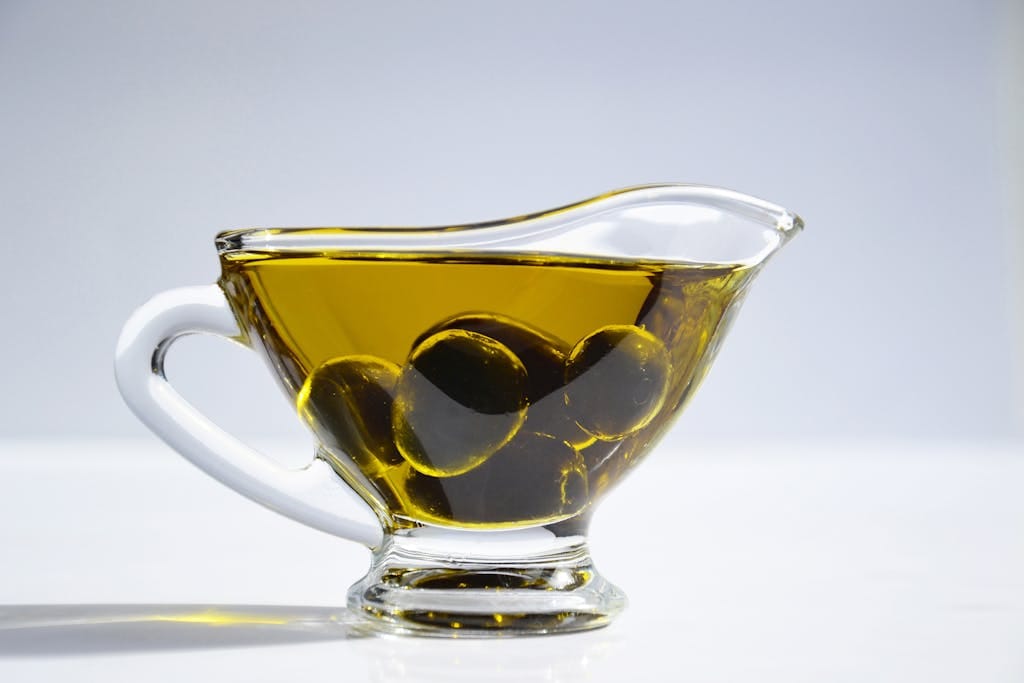

Is sunflower lecithin a seed oil? Sunflower lecithin is a rising star in the health and wellness world, often being confused with its unhealthier counterpart: sunflower oil. Both consist of sunflower seeds, but there are vast differences between the two when it comes to nutrition and health. This guide will explore what sunflower lecithin is, its benefits, and how it differs from sunflower seed oil.
By the time this post is over, you’ll see why sunflower lecithin belongs in a healthy home and how to add it into your life.
What Is Lecithin?
Lecithin is a collective name for a group of substances called fatty compounds that are found in animal and plant tissues. That’s because it’s loaded with phospholipids, and those are vital when it comes to the cell membranes in your body — every single one of them. As a natural emulsifier, it assists in mixing oil and water, so it is a common additive in foods like chocolate, salad dressing, and baked goods to improve texture and consistency.
Up until now, soy has usually been the dominant source of commercial lecithin, but because of GMO concerns and allergies, more people have been looking for ways to replace it. That’s where sunflower lecithin comes in as an increasingly popular non-GMO, soy-free choice.
Source and Recovery of Sunflower Lecithin
Sunflower lecithin comes directly from dried sunflower seeds. The process of extracting sunflower lecithin is certainly not a common factor among most industrial oils. It usually comes from a mechanical, cold-pressing process that bypasses the harsh chemical solvents required to make soy lecithin and some seed oils.
This extraction is free from solvents, yielding a pure extract that is high in phospholipids without any chemical residues. The end product is a pure, plant-based lecithin that retains more of its unprocessed nutritional content and won’t spoil as rapidly.
Sunflower Lecithin and Its Health Benefits
Sunflower lecithin isn’t merely an ordinary food additive: It’s a nutritional dynamo that packs several scientifically-backed health benefits. At the same time, its benefits stem from the high content of phospholipids, including phosphatidylcholine.
Rich in Essential Phospholipids
Sunflower lecithin is a rich source of several crucial phospholipids, including:
Phosphatidylcholine: The most pervasive phospholipid in lecithin. It is an important component of cell membranes and is essential for liver function, brain development, and nerve signaling. Your body also uses choline to make acetylcholine, a neurotransmitter necessary for memory and muscle control.
Phosphatidylinositol: This substance is involved in signaling within the cell and aids in controlling various cellular processes.
Phosphatidylethanolamine: Another phospholipid, it is an essential structural ingredient of cell membranes and plays a role in cellular division and signaling.
Supports Cell Membrane Structure

The medium around every cell in your body is surrounded by a protective membrane that monitors what comes in and out. These membranes consist primarily of phospholipids. By adding sunflower lecithin to your dietary routine, you’re getting the building blocks that your body uses every day to maintain that vitality – and they feed them 150mg at a time. Healthy cell membranes are crucial for cellular messages, the delivery of nutrients, and the general well-being of the cells.
Enhances Nutrient Absorption
And last but not least, one lesser-known benefit of sunflower lecithin is its ability to enhance the absorption of other fat-soluble vitamins, such as A, D, E, and K, by helping to break down fats within the digestive tract, thereby ensuring these vital nutrients are absorbed more efficiently into the blood. This makes it an ideal supplement for anyone looking to boost their nutrient intake.
Provides Antioxidant and Anti-Inflammatory Properties
Research has confirmed that lecithin phospholipids exert antioxidant effects. They help shield cells from damage by free radicals, which have the potential to hasten aging and fuel chronic illnesses. And a good balance of fatty acids— in part, which is supported by phospholipids — has an anti-inflammatory influence in the body.
Sunflower Lecithin vs. Sunflower Oil: Not the Same Thing The Important Difference You Need to Know
It’s tempting to lump all sunflower products into one category, but is sunflower lecithin a seed oil? The short answer is no; understanding the differences in their content, extraction, and health effects is essential.
Composition
Sunflower Oil: Pure junk food, an industrial oil which is predominantly (but not all) fatty acids. It is high in omega-6 fats. And while omega-6s are necessary, most people in the developed world have far too many of them in their diet, which can throw off their body’s delicate omega-6 and omega-3 balance and promote inflammation.
Sunflower Lecithin: Phospholipid-rich extract. It is low in both oil and fatty acids. But its worth lies not in its oil content but in phosphatidylcholine and other phospholipids.
Extraction Methods
Sunflower Oil: The extraction process frequently includes chemical solvents like hexane and extreme heat, which are needed to maximize production. This process not only ruins the oil but also generates unhealthy byproducts and results in chemical residue.
Sunflower Lecithin is also machine cold-pressed, similar to the Soybean version. This gentle, non-chemical process ensures the protection of the natural shape and composition of the phospholipids.
Health Concerns of Sunflower Oil

The main concerns with sunflower originate from the high level of omega–6 fats and harsh processing. A skewed ratio of omega-6 to omega-3 fats is associated with systemic inflammation, one of the underlying triggers that leads to chronic diseases such as heart disease and autoimmune conditions. There is an unequivocal lecithin vs seed oils showdown when it comes to healthy consumers and those who exercise.
How to Use Sunflower Lecithin in Your Diet
That’s because there are a few different types of sunflower lecithin that you can easily incorporate into your everyday routine.
Powder: The flexibility is excellent for all powder forms. You can stir in a spoonful to your smoothie or shake, add it to yogurt, or sprinkle it over oatmeal. It’s also an excellent non-seed oil emulsifier for homemade salad dressings and sauces.
Liquid: Liquid sunflower lecithin can be mixed into smoothies or added to baking recipes to enhance moisture and texture.
Capsules: Capsules are the choice for a more hands-off supplement – you take one pill.
When buying, consider an organic, non-GMO, and cold-pressed sunflower lecithin to ensure you’re getting the best product possible.
Frequently Asked Questions (FAQs)
Is sunflower lecithin equivalent to a seed oil?
No, Sunflower lecithin is a phospholipid concentrate, and sunflower oil is a fat. They are also nutritionally distinct, extracted differently, and have different effects on health.
How do you extract sunflower lecithin?
It’s usually pressed from sunflower seeds by a mechanical process that does not use chemical solvents. This keeps it pure and full of nutrition.
I’ve gotten a lot of questions about sunflower lecithin. Is there an allergy concern?
Most of the time, sunflower lecithin is considered safe. It’s soy-free, so it’s a nice option for those with soy allergies. Sunflower allergy is rare but can occur. If you are allergic to sunflower seeds and know it, then stay away.
Can you use sunflower lecithin in baking or cooking?
Sure, its emulsifying power is excellent for baking with and making smooth, creamy sauces and dressings. It helps produce a homogeneous and uniform product.
Is sunflower lecithin vegan?
Yes, Sunflower Lecithin is a plant-based product, which means it can be used as an emulsifier or supplement for vegan creations, such as when one is making chocolate and even dairy-free recipes.
Take Your Health to the Next Level with a Better Option

While sunflower oil poses legitimate health concerns, sunflower lecithin stands out as a beneficial supplement. Its high phospholipid content promotes cellular health, brain function, and nutrient use – but none of laminin’s nutrients carry the seed oil inflammatory risk.
When you pick all-natural, cold-pressed sunflower lecithin, you can rest assured knowing that you are carefully choosing a product with the health of your family as well as the environment in mind. Whether you need an emulsifier or a nutritional supplement to improve your general health, sunflower lecithin is both a healthy and clever option.