
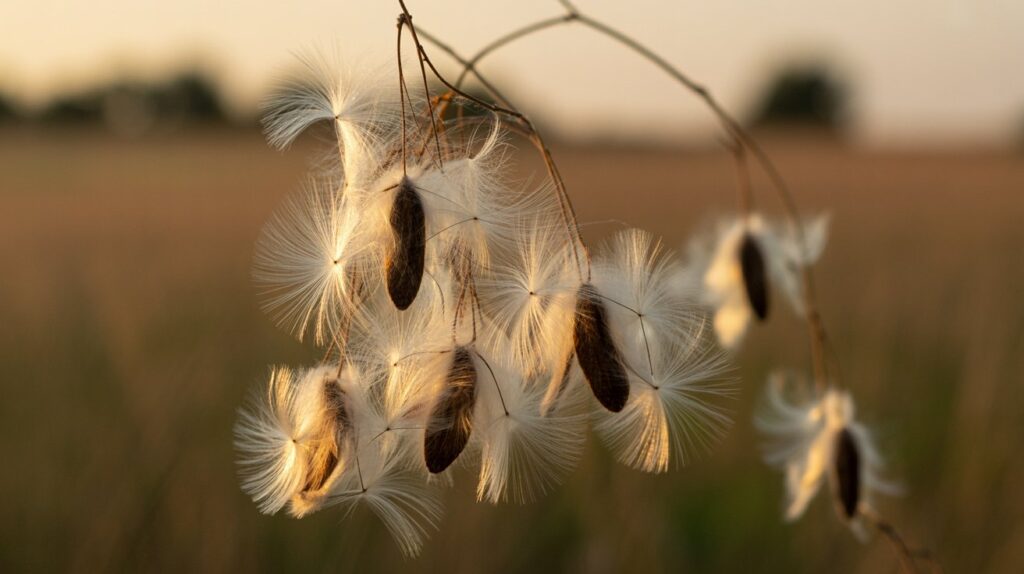
What Are Milkweed Seeds?
Milkweed seeds hold a quiet power that many gardeners overlook at first glance. These tiny carriers, produced by Asclepias spp., play a crucial role in sustaining fragile ecosystems across the United States.
When you plant Milkweed seeds, you’re not just growing a plant, you’re creating a habitat that supports Pollinators like Monarch butterflies (Danaus plexippus) and bees. What makes them even more fascinating is their natural dormancy, which responds to seasonal cues such as cold weather and moisture.
With the right approach, including proper soil and timing, these seeds can transform an ordinary yard into a thriving, lively space. As interest in Native milkweed continues to rise, more people are discovering how simple actions can make a lasting environmental difference.
Types of Milkweed Seeds
Across the United States, different varieties of Native milkweed thrive in unique climates. For example, Common milkweed grows easily in open fields, while swamp milkweed prefers moist soil. Each type supports Pollinators, especially Monarch butterflies (Danaus plexippus) and Bumblebees, which rely on milkweed for survival.
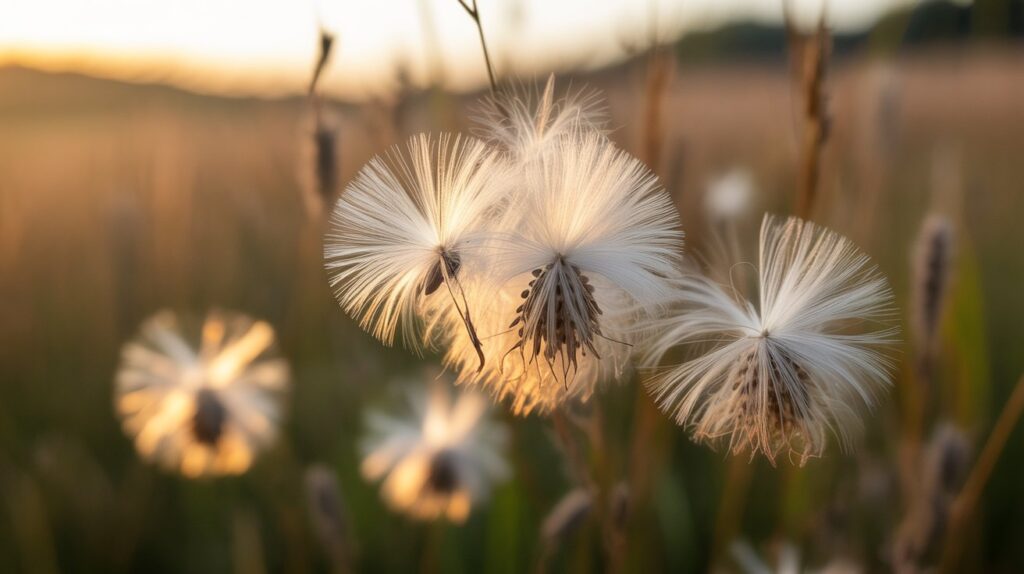
Choosing the right type affects your success rate significantly. Some seeds require more intense Cold moist stratification, while others adapt quickly to Spring planting. This ultimate guide to Milkweed seeds ensures you select species suited to your region, increasing both Germination rates and long-term plant health.
Why Plant Milkweed Seeds?
Planting Milkweed seeds creates more than just a garden. It builds a sanctuary for struggling species like Monarch butterflies (Danaus plexippus). These butterflies depend entirely on milkweed for reproduction, making your garden a lifeline. Supporting Pollinators like Bumblebees also boosts nearby plant productivity.
Beyond ecology, milkweed offers a low-maintenance gardening option. With proper Soil preparation and correct Garden placement, these plants thrive naturally. This ultimate guide to Milkweed seeds reveals how simple actions like Fall planting can align your garden with nature’s rhythm.
How to Collect Milkweed Seeds
Timing matters when it comes to Seed collection. Mature pods begin to split naturally, revealing silky fibers inside. Collecting at this stage ensures strong Seed survival and high-quality seeds. If you harvest too early, the seeds may not germinate properly.
A simple method involves cutting pods just before they fully open. Then allow them to dry indoors. This technique protects seeds from wind loss. This ultimate guide to Milkweed seeds emphasizes careful handling to preserve natural Germination protocol and improve future planting success.
Cleaning and Separating Milkweed Seeds
Handling raw milkweed pods often feels messy due to their silky fluff. However, separating seeds becomes easier when you control airflow. Gently pulling fibers away keeps seeds intact and maintains Seed coat softening properties needed later.
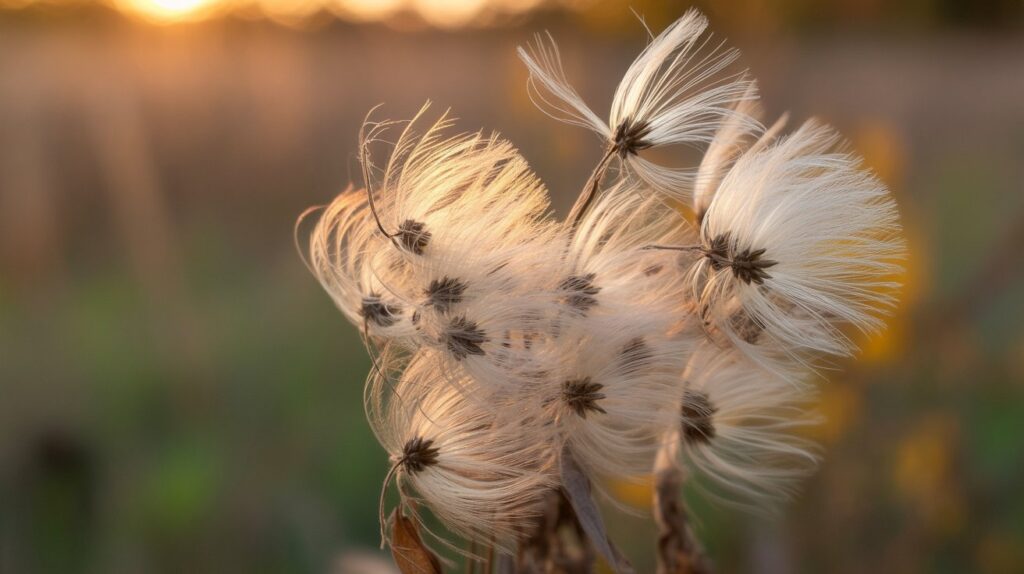
Another effective approach uses a container to shake loose fibers away. Clean seeds improve Germination rates and reduce contamination risks. This step supports healthy Seedlings and prevents issues like Damping off during early growth stages.
Storing and Packaging Milkweed Seeds
Proper Seed storage ensures that Milkweed seeds remain viable for months or even years. Store seeds in a cool, dry place using breathable containers. Avoid humidity since excess moisture can damage seed quality.
Packaging also plays a role in maintaining freshness. Labeling with collection dates helps track effectiveness. This ultimate guide to Milkweed seeds highlights how controlled environments protect seeds during Freezing and thawing cycle, preserving their natural dormancy.
Preparing Milkweed Seeds for Planting
Preparation begins with breaking dormancy through Stratification. Most seeds require Cold moist stratification, which mimics winter conditions. You can achieve this using Paper towel stratification or refrigerating seeds for several weeks.
Another useful step involves Seed soaking before planting. This helps with Seed coat softening and speeds up germination. Combining these methods strengthens your Germination protocol and ensures consistent sprouting results.
When and Where to Plant Milkweed Seeds
Successful growth depends heavily on timing and location. Fall planting allows seeds to undergo natural stratification outdoors. Meanwhile, Spring planting works best when you’ve already completed cold treatment indoors.
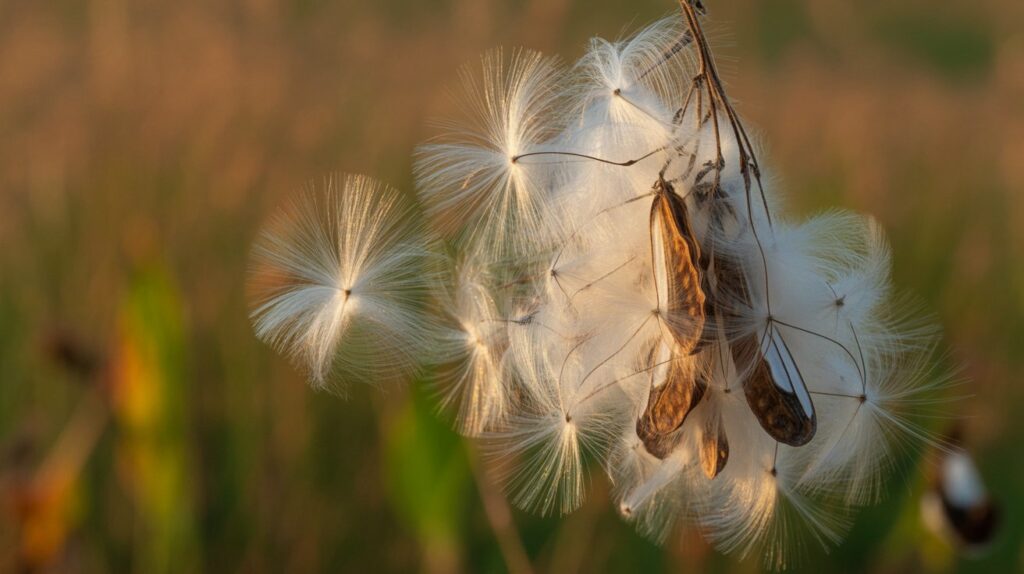
Choosing the right Garden placement matters equally. Milkweed thrives under Full sunlight requirement and needs proper Soil preparation. A mix containing Compost, Coarse sand, and Composted pine bark creates a perfect environment for root development.
Step-by-Step Germination Guide
Starting indoors gives you more control over Milkweed seeds. Use a Seed germinating mix made from Coconut coir, Perlite, and Vermiculite. This combination forms a Well-draining growing mix that prevents waterlogging.
Containers like a Bulb growing tray, 4-inch pots, or 5-inch liners help organize early growth. Maintain steady moisture for effective Soil moisture management. Once True leaves appear, the plants are ready for Transplanting seedlings into outdoor soil.
| Stage | Key Requirement | Outcome |
| Stratification | Cold moisture | Dormancy breaks |
| Germination | Warmth + moisture | Sprouting begins |
| Early Growth | Light + airflow | Healthy seedlings |
| Transplanting | Strong roots | Outdoor survival |
Caring for Milkweed Plants
Healthy plants depend on consistent Seedling care. Water carefully to avoid over-saturation, which can lead to Damping off. Balanced watering improves Seedling establishment and long-term growth.
Spacing plants properly ensures airflow and sunlight access. Once established, Milkweed seeds grow into resilient plants requiring minimal care. This ultimate guide to Milkweed seeds shows how simple maintenance leads to thriving ecosystems.
Common Problems with Milkweed Seeds and Plants
Even experienced gardeners face challenges with Milkweed seeds. Low Germination rates often result from skipping Stratification. Meanwhile, poor drainage increases the risk of Damping off, which kills young plants quickly.
Pests and environmental stress can also affect growth. Adjusting Soil moisture management and improving airflow helps prevent most issues. Understanding these problems ensures better Seed survival and stronger plants over time.
Using Milkweed Seeds to Support Pollinators
Planting Milkweed seeds transforms your garden into a vibrant habitat. Monarch butterflies (Danaus plexippus) rely on these plants for laying eggs, while Bumblebees use them for nectar. Supporting Pollinators strengthens the entire ecosystem.
Simple actions like Seed scattering and Raking seeds into soil can expand natural habitats. This ultimate guide to Milkweed seeds proves that even small gardens can create lasting environmental impact through thoughtful planting.
Final Thoughts on Growing Milkweed Seeds Successfully
Success with Milkweed seeds comes from understanding nature’s rhythm. When you follow the right Germination protocol and maintain proper care, results improve dramatically. From Seed collection to blooming plants, each step builds confidence.
As you continue growing, you’ll notice stronger Seedlings and thriving pollinator activity. This journey blends patience with reward, turning simple seeds into a living ecosystem that supports life all around you.
FAQ’s
1. Why is milkweed illegal in the USA?
Milkweed isn’t illegal nationwide, but some species like Common milkweed are restricted in certain states because they spread aggressively and can affect crops.
2. What time of year should you plant milkweed seeds?
Plant milkweed seeds in late fall for natural cold exposure or early spring after cold stratification for best germination.
3. Does milkweed cure warts?
Milkweed sap has been traditionally used for warts, but it can irritate skin and isn’t medically recommended today.
4. Is milkweed hard to grow from seed?
Milkweed is fairly easy to grow if you follow proper cold stratification and provide sunlight and well-drained soil.
5. Is there a downside to planting milkweed?
Some types spread quickly and can become invasive in gardens, plus the sap is toxic to pets and humans if misused.
6. Will milkweed come back every year?
Yes, most milkweed species are perennials and return every year once established.