Growing onion seeds right from the very beginning opens up a world of culinary possibilities. Many gardeners struggle with poor sprouting rates, often because they overlook one critical factor: the soil climate. Understanding the optimal onion seed germination temperature is the absolute secret to unlocking a robust, healthy crop.
By mastering this invisible element, you can significantly increase onion yield from seeds and ensure a strong start to your growing season. It takes the guesswork out of the planting process, giving you confidence as you move from tiny sprouts to fully formed bulbs. This complete guide to onion seed cultivation will walk you through exactly how to care for onion seedlings by starting them off right.
You will learn the precise temperature ranges required for success, the best methods for controlling soil warmth, and how to fix common problems with onion seed germination. Let’s explore the science and practical steps behind growing incredible onions from seed.
Ideal Temperature Ranges for Onion Seeds
Finding the sweet spot for soil temperature determines how quickly your sprouts appear. While onion seeds are remarkably resilient, they follow specific biological rules when it comes to heat.
Minimum, Optimum, and Maximum Temperatures
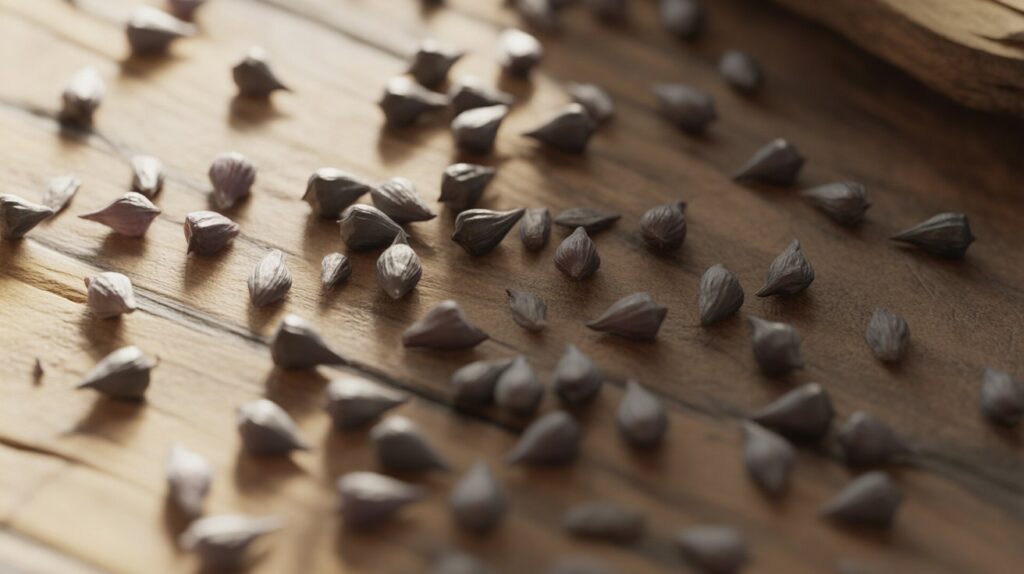
The ideal onion seed germination temperature sits between 68°F and 77°F (20°C to 25°C). Within this optimum range, seeds typically sprout in just four to seven days. However, onions are cool-season crops. They will actually germinate in soil as cold as 50°F (10°C), though the process slows down dramatically, taking up to 43 days. Conversely, soil temperatures exceeding 95°F (35°C) can severely hinder sprouting, leading to poor emergence and damaged embryos.
Temperature Fluctuations and Germination
Consistent warmth is vital for onion seeds for planting. Large swings between day and night temperatures can shock the seed, causing uneven germination. This is why many growers prefer onion seeds indoor planting, where the environment remains stable.
Here is a quick reference table showing how long do onion seeds take to germinate at different temperatures:
| Soil Temperature (°F) | Soil Temperature (°C) | Average Days to Emerge |
|---|---|---|
| 50°F | 10°C | 43 Days |
| 59°F | 15°C | 20 Days |
| 68°F | 20°C | 10 Days |
| 77°F | 25°C | 4 to 7 Days |
| 86°F | 30°C | 4 to 7 Days |
| 95°F | 35°C | 13+ Days (Often fail) |
How Temperature Impacts Germination Rate and Success
Heat acts as the biological trigger that wakes a seed from its slumber. Understanding this process helps clarify why temperature control is so important for your garden.
Physiological Processes at Different Temperatures
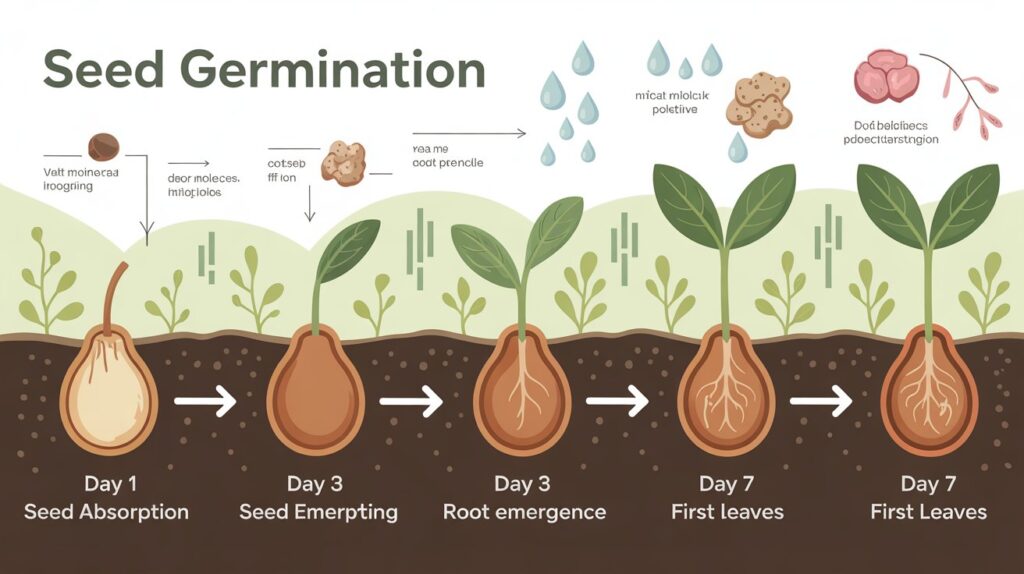
When you plant onion seeds, they absorb water and swell. At the optimum onion seed germination temperature, enzymes activate rapidly, breaking down stored food to fuel the growing embryo. If the soil is too cold, these enzymes remain sluggish. If the soil is excessively hot, the enzymes can degrade, and the seed may succumb to fungal decay before it ever breaks the surface. Knowing how to grow onions from seeds step by step requires balancing this moisture and heat equation.
Dormancy and Temperature
Sometimes, seeds enter a state of secondary dormancy if environmental conditions become too stressful. High heat combined with dry soil will cause the seed to shut down its growth processes to survive. Maintaining consistent moisture and tracking the soil warmth prevents this dormancy, ensuring a high germination rate.
Methods for Controlling Soil Temperature
Hitting the right temperature targets requires a bit of planning. You have several tools at your disposal to create the perfect environment.
Indoor vs Outdoor Onion Seed Planting
Choosing between indoor vs outdoor onion seed planting depends heavily on your local climate and the best time to plant onion seeds in your region. Starting seeds indoors provides maximum control. You can guarantee the soil stays near 75°F. Outdoor sowing is perfectly viable if you time it right, but you must monitor the weather closely.
Heat Mats and Other Tools
When starting seeds indoors, a seedling heat mat is your best friend. It gently warms the soil from the bottom up, bypassing cool room temperatures. This is one of the top tips for growing onions from seed at home. Once the seeds sprout, you must remove them from the heat mat to prevent them from becoming leggy and weak.
Mulching and Row Covers
For outdoor planting, row covers act like miniature greenhouses. They trap solar radiation, warming the soil a few degrees above the ambient air temperature. Light mulching can also help retain soil heat overnight, providing a buffer against sudden cold snaps during the early onion seed planting season.
Troubleshooting Germination Issues
Even with the best preparation, things can occasionally go wrong. Quickly identifying the root cause allows you to pivot and save your crop.
Common Problems Related to Temperature
If your seeds fail to emerge after two weeks, the soil was likely too cold or too wet, leading to rot. Another frequent issue is poor seed viability. The onion seed storage life is notoriously short. They typically only last one year, maybe two if kept in perfect conditions. Learning how to store onion seeds for longer life—such as keeping them in a sealed jar in the refrigerator—is crucial for long-term success.
Solutions and Best Practices
To avoid these common pitfalls, follow a reliable onion seeds planting guide for beginners:
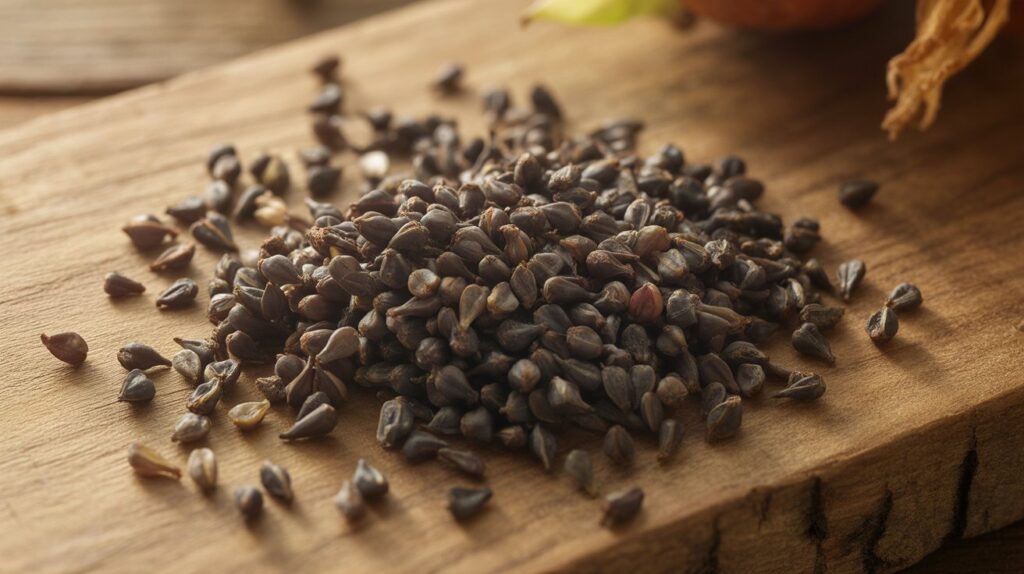
- Check viability: Always use fresh organic onion seeds or test older seeds in a damp paper towel before committing them to the soil.
- Planting depth: Knowing how deep to plant onion seeds is critical. Sow them exactly 1/4 inch deep. Planting too deeply forces the seed to expend too much energy before reaching the light.
- Variety selection: Understand the difference between short day and long day onions. Which onion seeds are best for my region? Northern growers need long-day varieties, while Southern growers thrive with short-day types. Knowing how to choose onion seed varieties ensures the bulbs form properly later in the season.
- Spacing: Follow an onion seeds spacing guide. Plant seeds about half an inch apart in rows, then thin them later. Proper onion seeds soil requirements include loose, well-draining dirt to prevent waterlogging.
Many growers ask about onion seeds vs onion sets. While sets are easier, starting from seed gives you access to the best onion seeds varieties and drastically reduces the chance of the plant bolting (going to seed early). Using precise onion seed sowing techniques and onion seeds farming tips will always yield a superior, more flavorful harvest.
Reap the Rewards of Perfect Timing
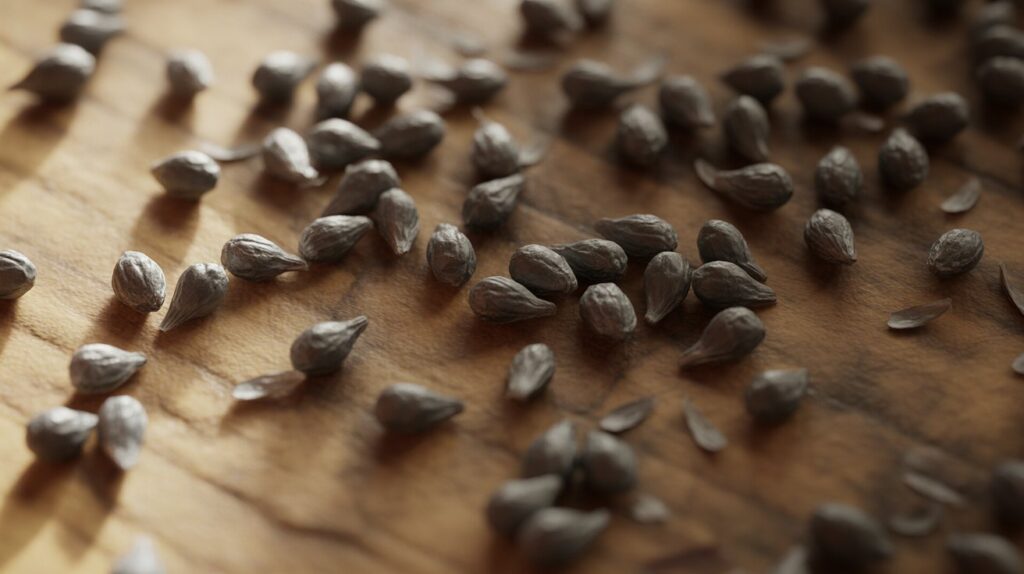
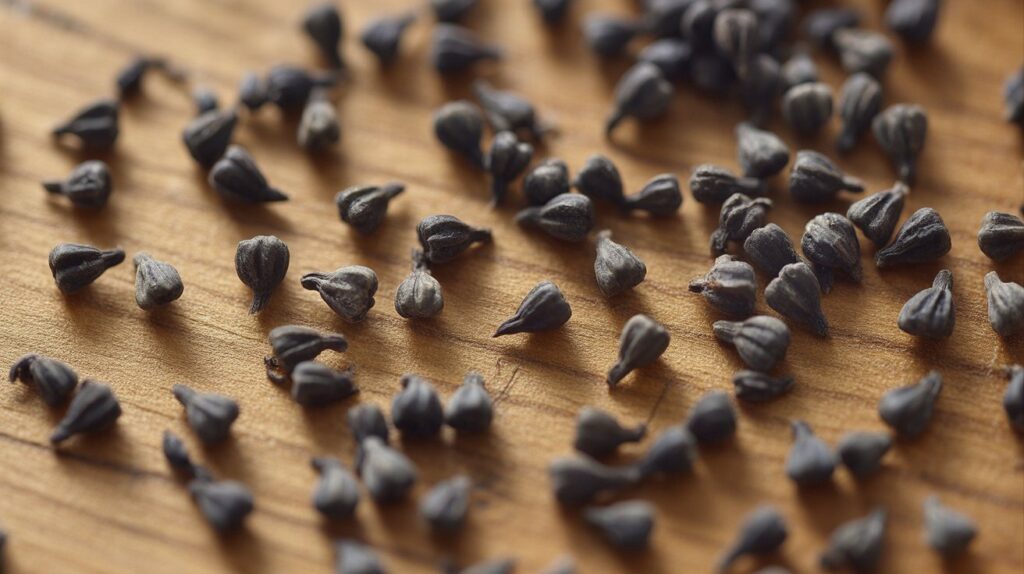
Growing onions from seed is a highly rewarding process that sets the foundation for a spectacular garden harvest. By closely monitoring the onion seed germination temperature, you bypass the most common hurdles that trip up home gardeners. Provide that sweet spot of 68°F to 77°F, keep the soil consistently moist, and use fresh seeds. Implement these strategies this season, and you will watch your tiny black seeds transform into a thriving, bountiful onion crop.
FAQ’s
1. Can you grow onions from seeds?
Yes, onions can be grown from seeds, but they take longer than using sets or bulbs.
2. How do you get seeds from an onion?
Let an onion plant flower and dry; the flower head produces seeds you can collect.
3. Are nigella seeds and onion seeds the same thing?
No, nigella seeds (kalonji) are different and come from a different plant, not onions.
4. Which onion is best for diabetics?
Red onions are often best due to higher antioxidants that may help blood sugar control.
5. How to bring A1C down naturally?
Eat a balanced diet, exercise regularly, manage weight, and reduce sugar/refined carbs.
6. What food is the number one enemy of diabetes?
Sugary foods and drinks (like soda and sweets) are the biggest enemies for blood sugar control.