Introduction to Seed Processing
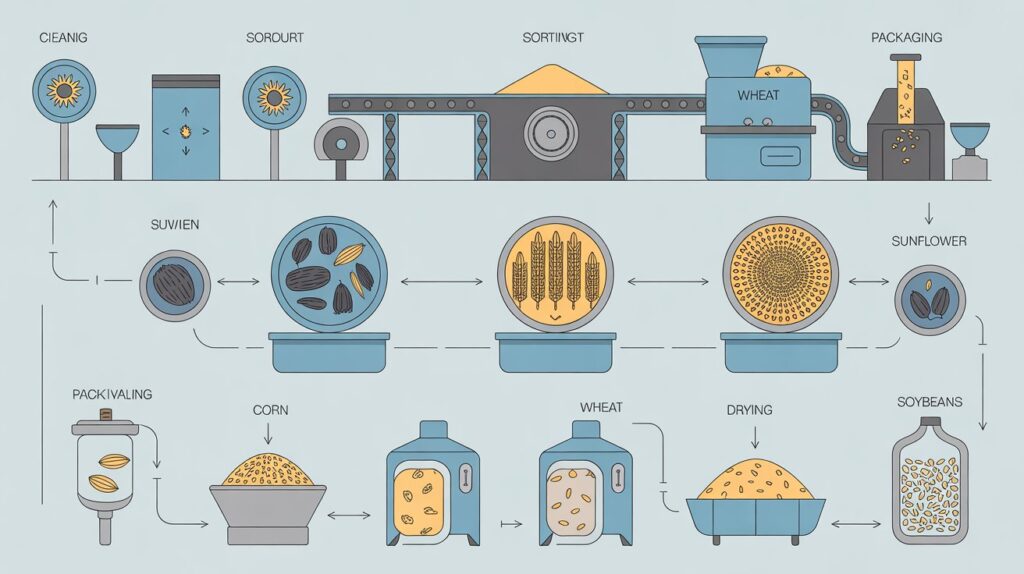
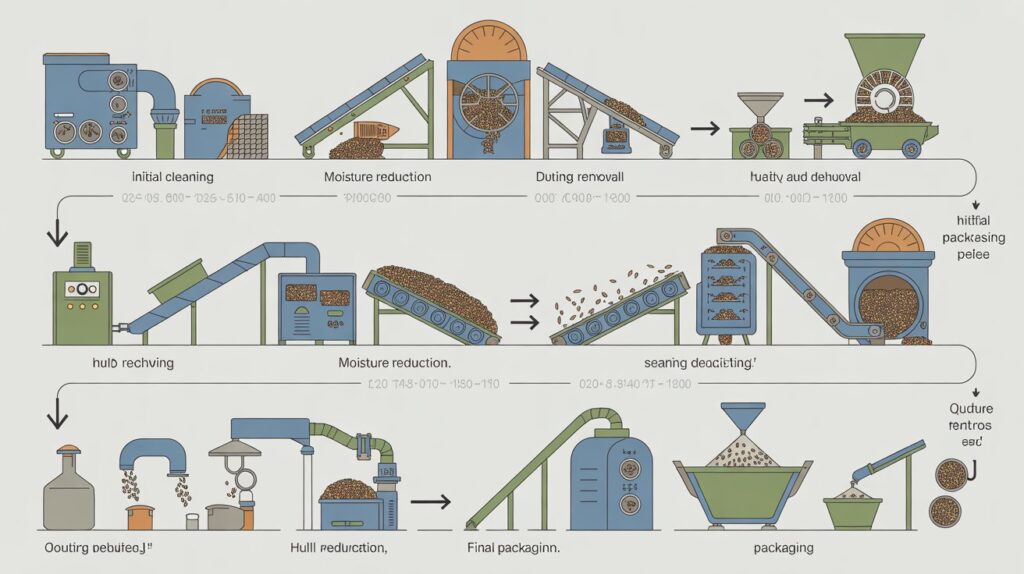
The seed processing process is the journey that turns raw seeds into clean, safe, and ready-to-plant seeds. Farmers cannot use freshly harvested seeds directly because they may contain dirt, broken pieces, or weak seeds.
That is why steps like pre-cleaning of seeds and the seed cleaning process are very important. These steps remove unwanted materials and improve seed quality. Another key part is controlling seed moisture content, which helps keep seeds fresh and healthy. During this process, experts also perform seed quality control to make sure only strong seeds are selected.
In simple words, the seed processing process helps farmers get better crops, faster growth, and higher yield. Without proper processing, seeds may not grow well, and farmers can face big losses in the field.
Pre-Processing Operations
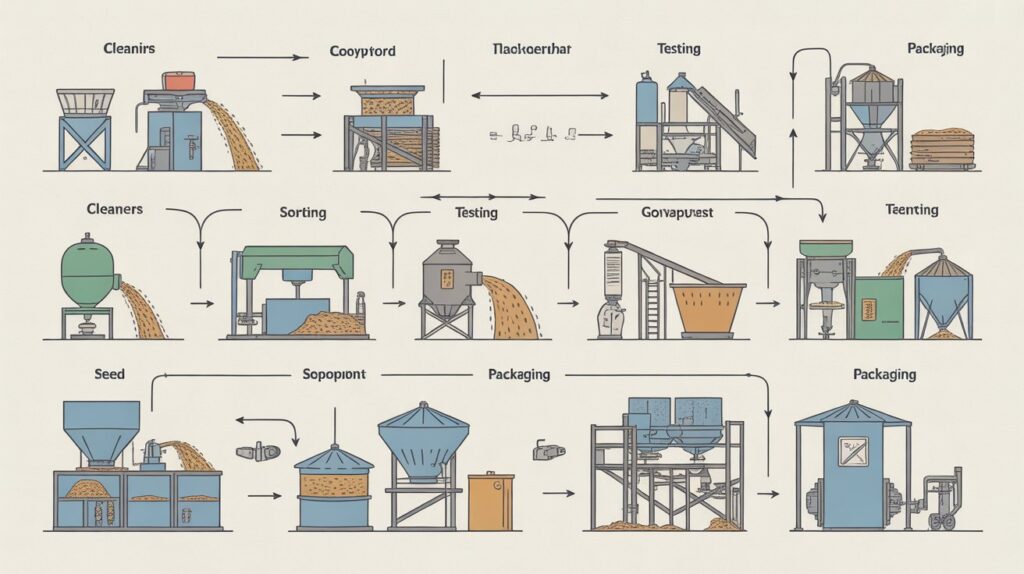
Everything starts with preparation before the main seed processing process begins. The pre-cleaning of seeds removes dirt, stones, and plant debris quickly. This early step protects machines and ensures smoother downstream operations. It also reduces contamination risks during seed quality control procedures.
Farmers often ask about how seeds are prepared for farmers because early handling affects final quality. This stage connects directly to seed processing steps for better yield. Proper handling improves storage stability and reduces losses before advanced processing begins.
Seed Extraction Methods
Extraction defines how seeds leave their plant structures during the seed processing process. Mechanical systems dominate US farms because they handle large volumes efficiently. Crops like tomatoes need wet extraction, while grains use dry separation techniques.
Many growers explore industrial seed processing techniques to improve output. Understanding what is pericarp in seeds also matters because this outer layer influences extraction quality. Effective extraction preserves embryo health and supports strong germination later.
Drying of Seeds
The seed drying process plays a crucial role in preserving seed life. Moisture must drop to safe levels quickly to avoid fungal growth. Controlled drying systems in the USA ensure consistent results across large batches.
Farmers focused on how to ensure high seed quality know drying affects long-term viability. Proper drying also supports seed germination improvement methods. When drying fails, seeds lose vigor and perform poorly in the field.
Seed Cleaning Methods
Cleaning removes unwanted material during the seed processing process. The seed cleaning process uses air, screens, and gravity systems to isolate quality seeds. Advanced facilities also use seed polishing technology for smoother seed surfaces.
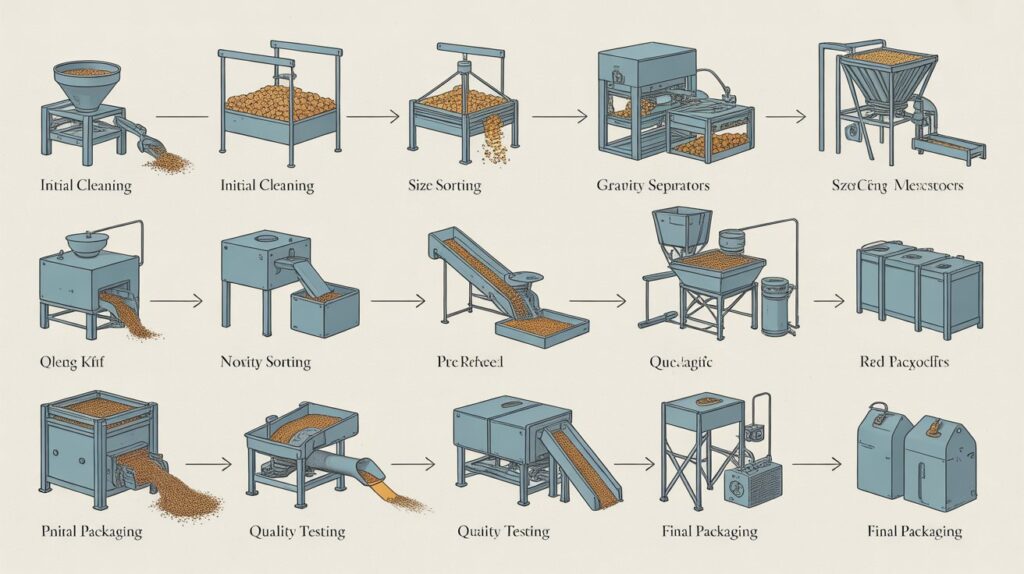
The concept of seed cleaning and grading process ensures purity and uniformity. This stage directly impacts planting precision and supports why uniform seed size is important. Clean seeds flow better through machinery and reduce planting errors.
Grading and Sorting
Sorting refines seeds by size, weight, and density. This step uses seed size calibration to create uniform batches. Optical sorters and gravity tables help separate defective seeds from healthy ones.
Growers often ask what is seed vigor and why it matters because vigor determines field performance. Accurate grading also improves how to improve seed emergence. Uniform seeds grow evenly and simplify crop management.
Seed Enhancements
Enhancement techniques transform seeds into high-performance units. The seed pelleting process creates round shapes for easy planting. Combined with seed coating technology, seeds gain protection and improved handling.
Farmers value seed priming benefits because pre-germinated seeds emerge faster. These methods highlight the importance of seed priming and show the advantages of primed seeds in farming. They also explain the benefits of pelleted seeds in precision agriculture.
Control of Moisture Content
Managing seed moisture content ensures seeds remain viable during storage and transport. Even small moisture changes can damage internal structures. Modern sensors help maintain safe moisture levels.
Understanding how seed quality is tested includes monitoring moisture continuously. Proper control supports cold tolerance seeds and improves resilience. Balanced moisture prevents cracking, mold, and reduced germination rates.
Ideal Seed Moisture Levels
| Crop Type | Safe Moisture (%) |
| Corn | 12–14% |
| Wheat | 10–12% |
| Soybean | 11–13% |
| Sugarbeet | 8–10% |
Packaging and Storage
The final stage of the seed processing process involves seed packaging and labeling. Strong packaging protects seeds from moisture and pests. Labels provide key data like variety, treatment, and germination rates.
Storage conditions must stay cool and dry to maintain quality. This stage answers how seeds are prepared for farmers in real-world terms. Good storage extends shelf life and protects investment.
Safety Precautions in Seed Processing
Safety remains essential throughout the seed processing process. Workers handle machinery, chemicals, and treated seeds daily. Protective equipment reduces risks from fungicide seed treatment and insecticide seed coating.
Understanding the role of pesticides in seed coating helps ensure safe usage. Proper training and ventilation systems also reduce exposure. Safe practices protect workers and maintain environmental standards.
Quality Control in Seed Processing
Strong seed quality control ensures only the best seeds reach farmers. Tests include germination testing and seed vigor analysis to measure performance. These checks confirm seeds meet strict US standards.
Farmers often explore how to ensure high seed quality before buying seeds. Continuous monitoring ensures consistency across batches. Quality control guarantees trust in the entire seed processing process.
Advanced Technologies in Seed Processing
Innovation drives the modern seed processing process forward. Automation, sensors, and AI improve efficiency and precision. These tools define modern agricultural seed technology in the USA.
Technologies also answer how seed coating helps planting and even explain why seeds are coated red for visibility. Advanced systems improve traceability, reduce waste, and boost productivity across seed facilities.
Conclusion: Why the Seed Processing Process Matters
The seed processing process transforms raw seeds into reliable agricultural inputs. Each step adds value, from cleaning to coating. This journey explains seed processing steps for better yield and supports efficient farming systems.
A farmer once said, “Good seeds don’t just grow crops, they grow confidence.” That idea captures the importance of precision processing. When every step works well, fields become more productive and farming becomes more predictable.
FAQ’s
1. What are the processes of seed processing?
Seed processing includes pre-cleaning, cleaning, drying, grading, treating, and packaging to improve seed quality.
2. What are the 5 stages of the seed?
The five stages are seed selection, planting, germination, growth, and reproduction.
3. What are 7 steps of seed germination step by step?
Water absorption, enzyme activation, seed swelling, root emergence, shoot growth, leaf development, and seedling establishment.
4. Why is seed processing important?
It improves seed quality, increases germination, and ensures better crop yield.
5. What are the benefits of processing crops?
It reduces waste, improves quality, increases shelf life, and adds value for better market prices.
6. Which state is no. 1 in farming?
In the USA, California is considered number one due to its high agricultural production and variety of crops.