Where to buy tobacco seeds: The complete home grower’s guide
Cultivating tobacco in your own backyard is a unique horticultural project that connects you to centuries of agricultural history. While large-scale farming dominates the industry, many hobbyists enjoy the challenge of nurturing these robust plants from tiny specks into towering, broad-leafed beauties.
Sourcing the right materials is the very first hurdle. With countless varieties available and a maze of legal regulations to navigate, finding high-quality tobacco seeds requires a bit of research.
This comprehensive beginner guide to tobacco cultivation will help you understand exactly where to purchase premium seeds. We will walk through the legalities of growing tobacco at home, show you what to look for in a seed vendor, and explain the best conditions for tobacco plant growth so you can secure a healthy, productive crop.
Legality and Regulations of Buying Tobacco Seeds
Before purchasing seeds, it is crucial to understand the legal landscape surrounding tobacco cultivation.
Federal and state laws
In the United States, the federal government does not generally restrict individuals from growing tobacco at home for personal use. The Alcohol and Tobacco Tax and Trade Bureau (TTB) does not require a permit for growing tobacco, provided it is not being sold or traded. However, local laws vary. Certain states may have specific regulations regarding how much you can grow or whether you need a specialized state license. Always check your local agricultural extension office or state laws to ensure full compliance before planting.
International considerations for buyers outside the US
If you live outside the United States, international laws can be remarkably strict. In Australia, for instance, importing tobacco seeds requires a specialized permit from the Australian Border Force, and growing the plant without excise licenses is strictly prohibited. Similarly, Canada and the UK have their own import regulations and taxation frameworks. Always verify your country’s customs and agricultural import laws before placing an international seed order.
Where to Buy Tobacco Seeds
Finding a reliable source for your seeds will dictate the success of your garden.
Online Retailers
The internet offers the widest selection for home growers.
- Specialized seed banks: Companies like Victory Seed Company and True Leaf Market specialize in rare, heirloom tobacco seed varieties. They provide excellent germination rates and detailed strain histories.
- General gardening supply websites: Large agricultural suppliers often stock basic varieties like Virginia or Burley alongside standard vegetable seeds.
- Forums and communities (with caution): Online gardening forums sometimes host seed swaps. While this is a great way to find rare strains, you risk receiving misidentified or low-viability seeds.
Local Sources
If you prefer to shop locally, you might have to hunt a bit harder.
- Specialty nurseries: Some independent nurseries stock tobacco seeds, especially in regions with a history of tobacco farming.
- Agricultural supply stores: Feed and seed stores occasionally carry them, particularly in the spring.
- Farmers’ markets: You might occasionally find a local farmer selling saved seeds, though this is relatively rare.
Factors to Consider When Purchasing Tobacco Seeds
Not all seeds are created equal. Keep these factors in mind to ensure a successful harvest.
Seed Variety
Choosing the right variety depends on your climate and end goals.
| Tobacco Variety | Best Climate | Common Uses | Flavor Profile |
|---|---|---|---|
| Virginia | Warm, humid | Flue-cured blends | Sweet, mild |
| Burley | Moderate | Air-cured blends | Robust, earthy |
| Oriental | Dry, sunny | Sun-cured drying | Highly aromatic |
| Rustica | Cooler, hardy | Ceremonial | Very strong, harsh |
Organic vs. Non-Organic
Organic seeds are harvested from plants grown without synthetic pesticides or fertilizers. If you prioritize natural gardening practices, seek out certified organic vendors.
Seed Viability and Quality
Tobacco seeds are incredibly small—almost like dust. Purchase from reputable sellers who test their stock for high germination rates. Proper storage in a cool, dry place is essential for maintaining viability.
Seller Reputation and Reviews
Read customer feedback before buying. A seller with consistent positive reviews regarding germination rates and plant vigor is generally a safe bet.
Pricing and Quantity
Because the seeds are microscopic, a single small packet often contains hundreds or even thousands of seeds. Do not overbuy unless you have a massive acreage to cover.
Tips for Successful Tobacco Seed Germination and Growth
Once you have your seeds, it is time to get your hands dirty. Knowing how to grow tobacco from seed to harvest is essential for a productive garden.
Soil requirements
The best soil type for growing tobacco plants is well-draining, loamy soil. Proper tobacco soil pH requirements usually fall between 5.8 and 6.2. If your soil is too acidic or alkaline, the plants will struggle to absorb vital nutrients.
Light and temperature
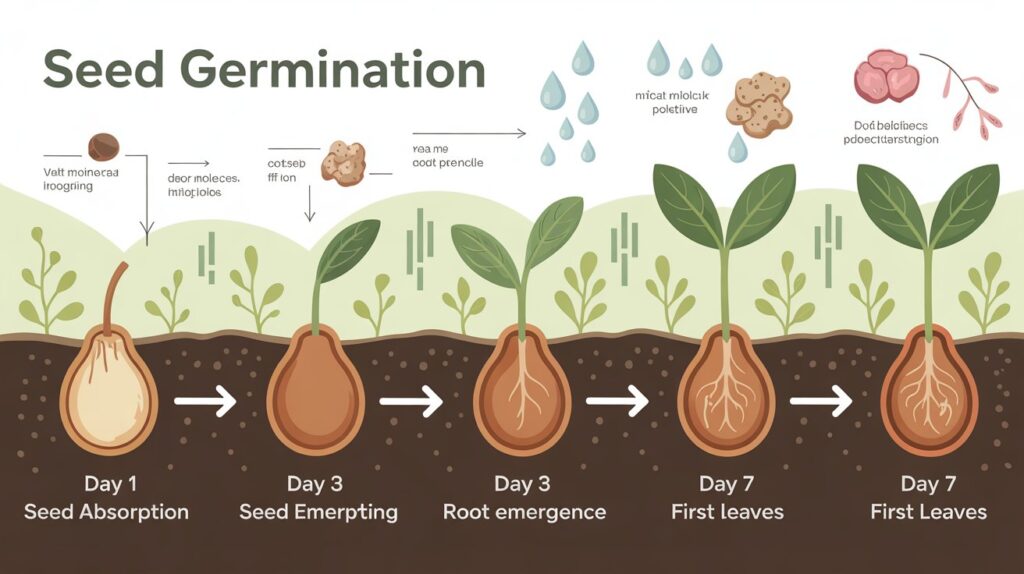
Understanding how to germinate tobacco seeds indoors is the first step, as they need a long growing season. You might wonder why tobacco seeds need light to germinate: unlike many other plants, these tiny seeds require surface sowing. Simply press them gently into the starting mix without covering them. Maintain a warm temperature of around 70-80°F and keep the soil moist.
Regarding tobacco plant sunlight needs outdoors, these plants thrive in full sun and require at least 6 to 8 hours of direct sunlight daily.
Watering and nutrients
A proper tobacco plant watering schedule is crucial. Knowing how often to water tobacco plants depends on your climate, but they generally need about an inch of water per week. Keep the soil consistently moist but never waterlogged.
Learning how to fertilize tobacco plants properly will significantly boost your yield. Tobacco plant fertilization should focus on a balanced NPK mix, applied lightly after transplanting and again as the plants enter their rapid growth phase. Avoid excessive nitrogen late in the season, as it can negatively affect the curing process.
Knowing when to transplant tobacco seedlings is also vital. Wait until the seedlings are about 6 to 8 inches tall and the danger of frost has completely passed. When moving them to the garden, follow proper tobacco plant spacing requirements, leaving about 2 to 3 feet between each plant to ensure adequate airflow.
Pest and disease control
Tobacco is susceptible to aphids, hornworms, and various fungal diseases. Regular inspection and organic pest control methods, like neem oil or introducing beneficial insects, can help keep your plants healthy.
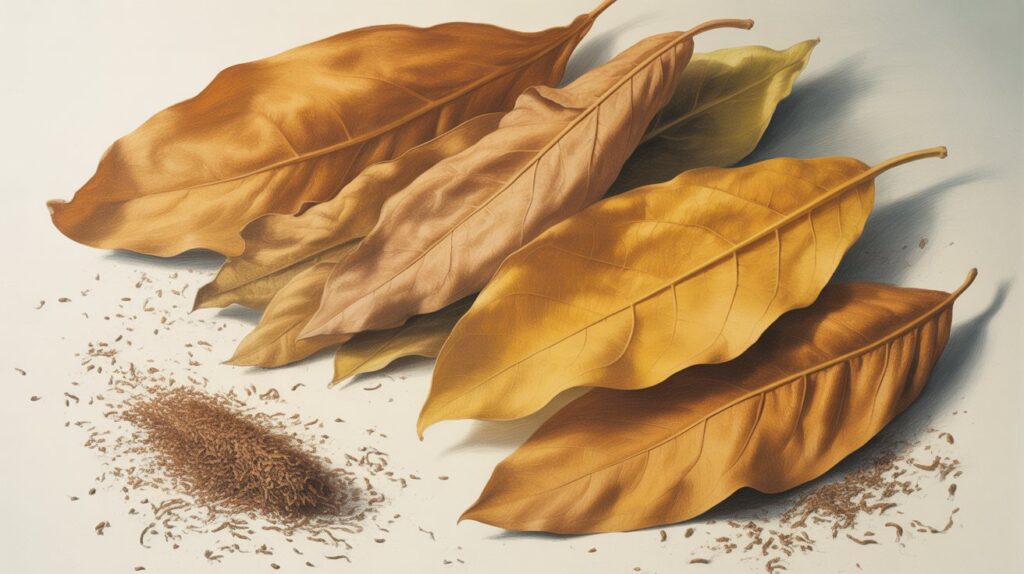
To maximize your yield, you must understand how to increase tobacco leaf production. This brings up the question of why remove flowers from tobacco plants. Removing tobacco flowers and suckers (the small shoots that grow between the main stalk and the leaves) forces the plant to direct its energy into expanding its main leaves rather than producing seeds. This tobacco plant care guide highly recommends regular “topping and suckering” for the best results.
Harvesting and Curing
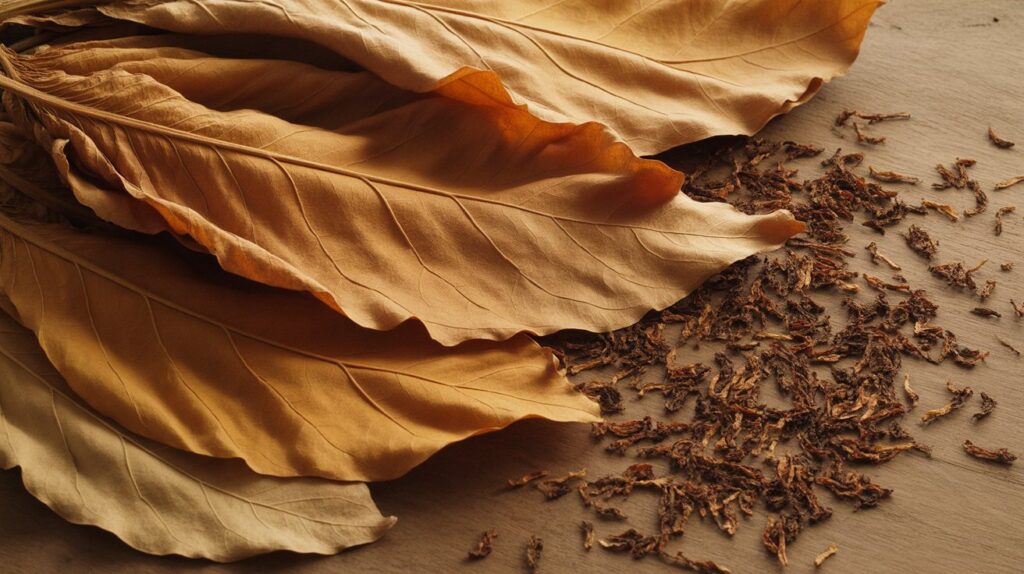
Eventually, the leaves will begin to yellow and droop, signaling it is time for the tobacco leaf harvesting methods to begin. You can harvest the whole stalk or pick individual leaves as they ripen from the bottom up.
Knowing how to cure tobacco leaves at home is critical. The difference between flue-cured and sun-cured tobacco drastically alters the final product. The flue-cured tobacco process involves heating the leaves in an enclosed barn without exposing them directly to smoke, resulting in a sweeter, lighter leaf. Conversely, sun-cured tobacco drying relies entirely on natural sunlight to slowly dry the leaves, which is common for Oriental varieties.
Exactly how long does tobacco take to grow? From seed germination to final harvest, you are looking at a commitment of about 90 to 130 days, followed by several weeks or months of curing.
Ethical and Health Considerations
Responsible growing practices
Growing tobacco comes with environmental responsibilities. Practice crop rotation to prevent soil depletion and avoid using harsh chemical pesticides that can harm local pollinators.
Awareness of health risks associated with tobacco use
While cultivating tobacco is a fascinating botanical practice, the final product contains nicotine and various harmful compounds. The health risks associated with using tobacco products are well-documented, including addiction and severe cardiovascular and respiratory diseases.
Start your tobacco growing journey
Successfully raising a tobacco crop from microscopic seeds to massive, mature plants is an incredibly rewarding gardening challenge. By understanding where to source high-quality seeds, respecting local legalities, and following careful germination and curing techniques, you can master this historical crop.
Are you ready to test your green thumb? Secure your seeds from a reputable supplier today, prep your soil, and get ready for a fascinating growing season.
FAQ’s
1. Can you legally buy tobacco seeds?
Yes, tobacco seeds are generally legal to buy in most countries, including the U.S., since seeds themselves are not regulated.
2. Can you legally grow tobacco in the US?
Yes, you can grow tobacco for personal use in the U.S., but selling it requires proper licenses and permits.
3. Why is tobacco so hard to grow?
Tobacco requires specific temperature, soil conditions, and consistent care, making it somewhat challenging for beginners.
4. Where do I find tobacco seeds?
You can find tobacco seeds online, through seed banks, or at local gardening and nursery stores.
5. How much tobacco can I legally grow?
There’s no strict federal limit for personal use, but large-scale growing may be subject to state or local regulations.
6. Can I grow my own tobacco from seed?
Yes, you can grow tobacco from seed successfully if you provide proper indoor germination and warm growing conditions.