Seeded Sunflowers: Are Sunflower Seeds Bad for Your Teeth? Hidden Risks
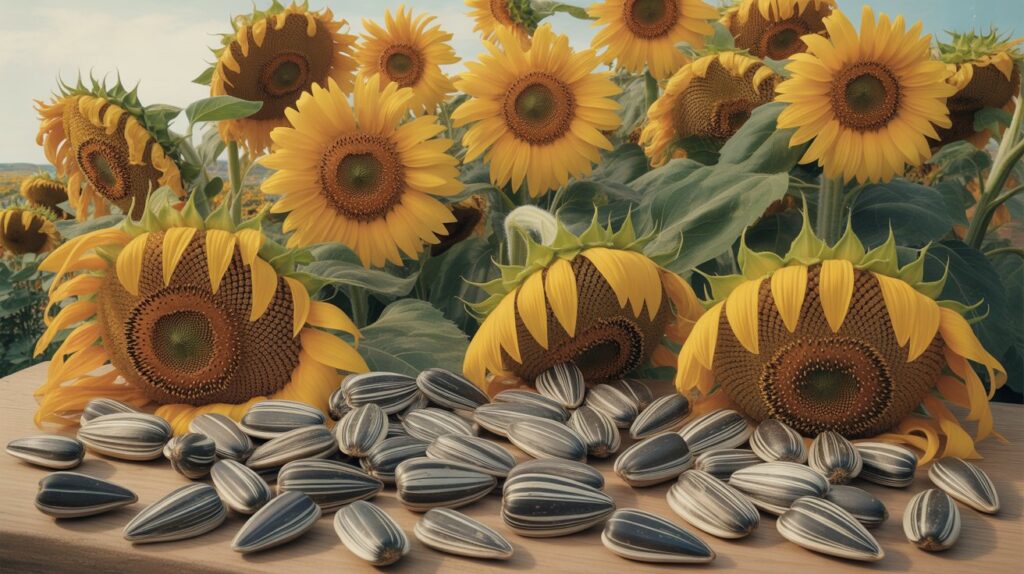
Walking through a park or sitting in the bleachers at a local baseball game, you will almost certainly hear the familiar sound of shells cracking. People have enjoyed snacks derived from seeded sunflowers for generations. Packed with healthy fats, protein, and essential vitamins, these tiny kernels offer a convenient and nutritious boost of energy. They are a staple of road trips, sporting events, and afternoon work breaks.
Despite their excellent nutritional profile, a persistent question frequently arises among frequent snackers: are seeded sunflowers seeds bad for your teeth? While the soft kernel inside provides valuable minerals that actually support bodily health, the physical act of getting to that kernel poses several hidden dangers. Dentists frequently see the aftermath of these seemingly harmless snacks during routine checkups.
Understanding how sunflower seeds affect your teeth requires looking closely at the mechanics of chewing, the hardness of the exterior shell, and the various flavorings added during manufacturing. By examining these factors, you can make informed choices about your snacking habits. You will learn exactly why certain methods of eating these seeds carry heavy risks and discover the best practices for protecting your oral health.
The Dental Dilemma: Balancing Nutrition and Risk of Seeded Sunflowers
The conversation around sunflower seeds dental health often features two conflicting viewpoints. Nutritionists praise the kernels for their high levels of vitamin E, magnesium, and phosphorus. Phosphorus, in particular, works alongside calcium to build strong bones and maintain healthy teeth. From a purely dietary perspective, the internal kernel is an excellent food choice.
However, dental professionals approach this popular snack with significant caution. The primary concern is not the nutritional value of the seed itself, but the aggressive mechanics required to consume it. Chewing sunflower seeds side effects rarely stem from swallowing the soft interior. Instead, the damage occurs at the front of the mouth. When people ask if it is safe to eat sunflower seeds with shells, the answer leans heavily toward the negative due to the intense pressure exerted on the front incisors.
Shells: The Primary Culprit Behind Dental Damage
To understand why sunflower seed shells are bad for teeth, you must consider the design of human teeth compared to the structure of the shell. Human incisors—the flat teeth at the very front of your mouth—are designed for slicing soft foods like fruits and vegetables. They are not built to act as nutcrackers or pliers.
Eating seeded sunflowers with shells teeth problems emerge because the outer casing of the seed is remarkably rigid. When you place a seed vertically between your upper and lower incisors and bite down, you force the sharp edges of your teeth against a hard, unyielding surface. Risks of cracking seeds with teeth include uneven wear, localized pressure, and eventual structural failure of the tooth. Over time, this repetitive, highly concentrated stress weakens the fundamental integrity of your front teeth.
Chipped Teeth and Micro-Fractures
Can sunflower seeds chip teeth? The short answer is yes. It is one of the most common injuries associated with this snack. A chipped tooth occurs when the pressure applied to the hard shell exceeds the tensile strength of the tooth enamel. You might not notice it immediately, but repeating this motion hundreds of times in a single sitting sets the stage for a sudden break.
Even if a large piece of the tooth does not break off, you still face the risk of micro-fractures. Can eating seeds cause micro fractures in teeth? Absolutely. These microscopic cracks form on the surface of the enamel and gradually deepen over time. They can lead to severe sunflower seeds and tooth sensitivity, making it painful to drink cold water or breathe in cold air. Cracked teeth from sunflower seeds often require expensive dental procedures, ranging from simple bonding to full crowns, depending on the severity of the fracture.
Gum Irritation and Impaction Due to Seeded Sunflowers Seeds?
The dangers of cracking shells extend far beyond the hard surfaces of your teeth. The soft tissues in your mouth are equally vulnerable. Once the hard outer casing splinters, it breaks into sharp, rigid fragments. These shards easily slip between the teeth and the surrounding gum tissue.
Are sunflower seeds harmful for gums? They certainly can be. When a sharp fragment of a shell wedges itself below the gumline, it creates immediate pain and inflammation. If left untreated, this lodged debris acts as a breeding ground for bacteria, potentially leading to localized infections or periodontal issues. Can sunflower seeds cause gum irritation? Yes, and this irritation is often compounded by the aggressive flavorings and heavy salt content coating the outside of the shells.
Sugar, Salt, and Additives in Seeded Sunflowers Seeds
Many people do not eat plain seeds. They reach for bags flavored with barbecue, ranch, dill pickle, or heavy layers of sea salt. While these flavorings make the snack highly addictive, they introduce a completely new set of sunflower seeds oral health risks.
Salted seeded sunflowers seeds gum irritation is a frequent complaint. The high concentration of sodium draws moisture out of the delicate oral tissues, leading to a dry mouth and inflamed gums. Furthermore, we must look at the impact of salt on gums from sunflower seeds over prolonged periods. Constant exposure to heavy sodium and abrasive spices degrades the protective mucosal lining of the mouth. Additionally, some flavored varieties contain hidden sugars, which significantly increase the sunflower seeds tooth decay risk. Bacteria in the mouth feed on these sugars, producing harmful acids that lead directly to sunflower seeds and cavities.
Acids and Enamel Erosion
Aside from added sugars, you must also consider the natural chemical composition of the mouth while snacking. Do sunflower seeds damage enamel chemically, or just physically? While the physical sunflower seeds abrasion teeth experience is the primary threat, acidity plays a supporting role.
Natural acids in certain flavorings, combined with a dry mouth caused by heavy salt intake, create an environment ripe for enamel erosion. When the mouth lacks sufficient saliva to wash away debris and neutralize pH levels, sunflower seeds impact on enamel becomes more severe. The weakened enamel is then subjected to the intense mechanical friction of chewing, accelerating sunflower seeds enamel wear.
Alternatives to Cracking: Safe Snacking Methods
Fortunately, you do not have to abandon this nutritious snack entirely. The best way to eat sunflower seeds without harming teeth is to remove the mechanical stress of cracking them altogether.
Are shelled sunflower seeds safer? They are infinitely safer for your dental health. Buying seeds that have already been removed from their hard exterior eliminates the risk of chipped incisors, micro-fractures, and splintered shell impactions. Healthy ways to eat sunflower seeds include tossing pre-shelled kernels into salads, blending them into smoothies, or eating them by the handful. If you absolutely must have the in-shell experience, use your fingers to crack the shell open before placing the kernel in your mouth.
Proper Dental Care After Snacking
Knowing how to protect teeth while eating seeds is essential for maintaining a bright, healthy smile. Even if you switch to pre-shelled varieties, small particles easily become trapped in the deep grooves of your molars or between tight teeth.
Proper sunflower seeds dental health routines require immediate action after snacking. Rinse your mouth vigorously with water to dislodge loose particles and wash away excess salt. Follow up with thorough flossing to remove any hidden fragments lodged beneath the gumline. Finally, brush your teeth with a soft-bristled toothbrush and fluoride toothpaste to strengthen any enamel that may have been subjected to acidic flavorings or minor abrasion.
What the Experts Say
Dentists consistently warn patients about the hidden dangers of mechanical habits like chewing on pens, ice, or hard shells. Dentists opinion on sunflower seeds is generally unanimous: the nutritional benefits do not outweigh the cost of a broken tooth.
Dental professionals view the front teeth as aesthetic and functional tools meant for soft biting. Using them to repeatedly pry open hard objects is considered a detrimental oral habit. They frequently remind patients that tooth enamel, while technically the hardest substance in the human body, is remarkably brittle. It cannot withstand the pinpoint pressure required to snap a dense seed casing over and over again.
Frequently Asked Questions
How to eat sunflower seeds without damaging teeth?
The safest method is to purchase pre-shelled kernels. This completely bypasses the need to use your teeth as tools. If you buy them with the shells on, use your fingers to pinch and crack the shell open, extract the inner kernel, and discard the shell safely without it ever touching your teeth.
What is the most damaging food for your teeth?
Hard, sticky candies are widely considered the most damaging foods for dental health. They coat the teeth in sugar while also presenting a high risk for cracking teeth if bitten too early. Hard items like ice, unpopped popcorn kernels, and hard shells fall closely behind in terms of mechanical fracture risk.
What is the 3-3-3 rule for teeth?
The 3-3-3 rule for teeth is a common guideline in the dental community for maintaining oral hygiene. It recommends that you brush your teeth three times a day, brush for three full minutes during each session, and wait at least thirty minutes after eating before brushing to prevent brushing destructive acids directly into your enamel.
What are the negative effects of eating sunflower seeds?
When eaten with the shells, the negative effects include chipped or cracked teeth, worn enamel, and gum irritation from sharp shell fragments. Heavily salted or flavored varieties can also lead to excessive sodium intake, high blood pressure, and increased risk of cavities due to added sugars.
Who should avoid sunflower seeds?
Individuals with existing dental restorations, such as veneers, crowns, or large fillings on their front teeth, should strictly avoid cracking shells. Additionally, people suffering from TMJ (temporomandibular joint) disorders, severe gum disease, or a history of weak enamel should avoid the mechanical strain of this snack.
What are the top 3 healthiest seeds?
While nutritional needs vary by individual, dietitians frequently highlight chia seeds, flaxseeds, and shelled sunflower seeds as three of the healthiest options. They are packed with omega-3 fatty acids, dietary fiber, and essential minerals that promote both systemic and oral health.
Final Thoughts on Protecting Your Smile
Seeded sunflowers produce a delicious, highly nutritious snack that provides incredible benefits to your overall health. However, the delivery mechanism of the traditional, in-shell seed presents a severe hazard to your dental integrity. The intense pressure required to crack the casing leads to chipped enamel, painful micro-fractures, and irritated gums.
By making a simple switch to pre-shelled kernels, you can enjoy all the nutritional advantages without risking an emergency trip to the dental office. Protect your smile by snacking smart, staying hydrated, and maintaining a rigorous daily oral hygiene routine.
Embracing the Seeded Sunflowers Seed Lifestyle
Seeded Sunflowers Seeds: All Natural as Nature itself. FOR THE DIETERS: Surely, those seeds keep you skinny since they don’t pack enough to make you fat. FOR THE ORGANIC GROWERS: Seeds contain no artificial flavors or preservatives and grow more plant options in pots and planters. Every gardener knows that sunflowers are the ideal and natural way to attract friendly friends to their yard. Whether you’re cultivating towering sunflowers with your kids, trying to source and cook with different types of black sunflower seeds, or savoring new and exciting ways to work these nutrition powerhouses into your diet, you’re making foods that have nourished communities for generations your own.
With their abundance of vitamin E and selenium, and their versatility in both sweet and savoury applications, sunflower seeds can be used for health-conscious individuals. Add a handful to your morning yogurt for a small start, or go all in and reserve some garden space to grow your own seeded sunflowers.
The process from seed starting in the spring, through harvest, and onto the table is so gratifying, connecting you again with the source of your food and the healthy way to feed your family. Whether you like them in the shell, ground into a butter, or even if you’re sprouting seeded sunflowers seeds for a superfood meal topper, these mighty seeds hold a special spot in a health-conscious kitchen.