Most people eat bananas every single day but they never stop to think about how this fruit actually grows. You might think this popular yellow snack is completely seedless.
The reality is quite different because bananas definitely have seeds inside them. They are just incredibly tiny or entirely misunderstood by the average grocery shopper.
This post will explore exactly what do banana seeds look like alongside their fascinating history. We will uncover the stark differences between wild varieties and the cultivated fruits we enjoy today.
The Banana We Know: A Seedless Wonder
The cultivated banana
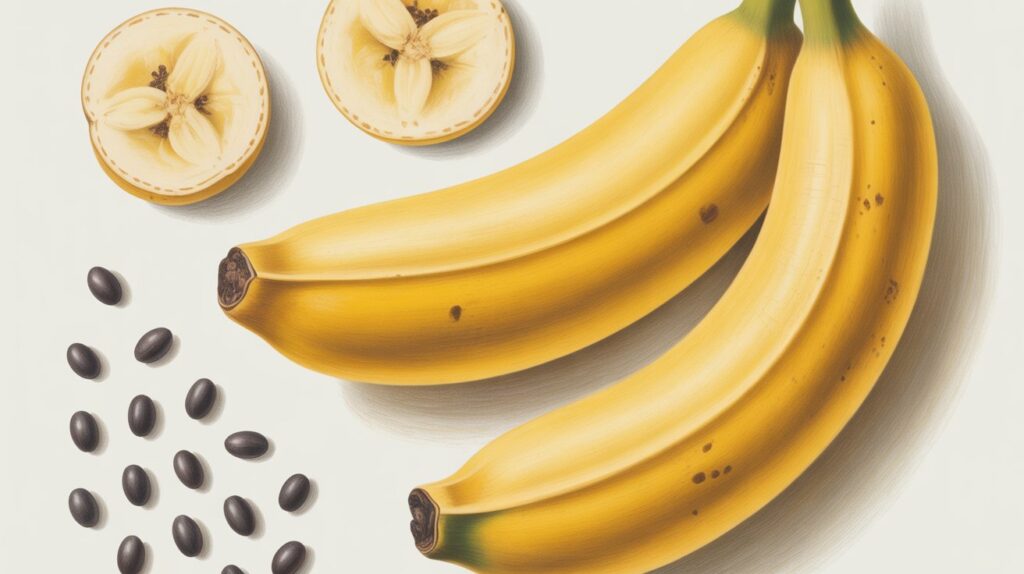
The Cavendish variety is grown asexually from suckers rather than Banana Seeds. You will notice small black specks inside the flesh but these are just vestigial ovules. Seedlessness became preferred because it makes eating much easier.
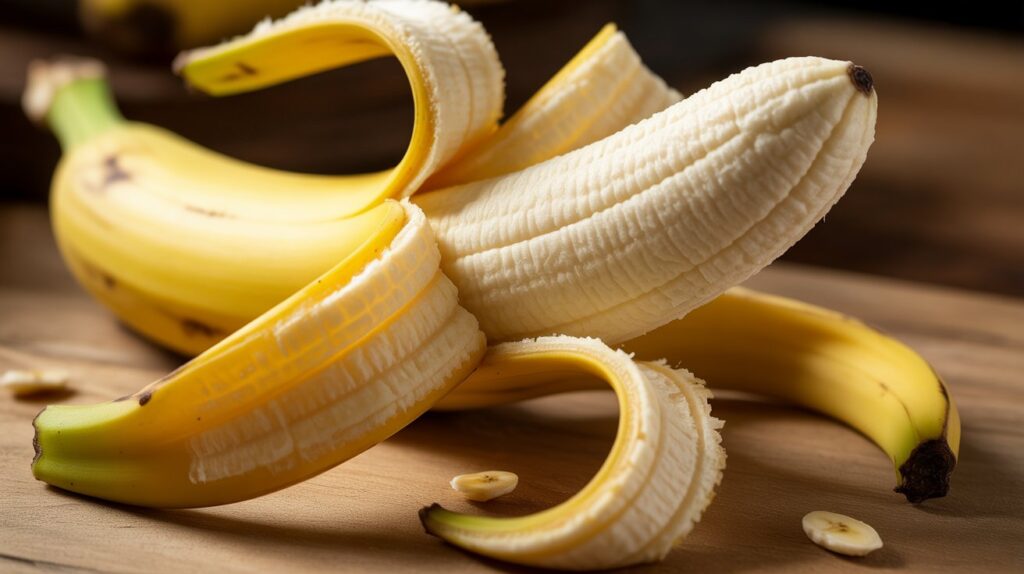
The illusion of seedlessness and public perception
Historical banana cultivation methods heavily favored fruit without hard stones. Farmers selected specific mutations over thousands of years so the public slowly forgot what natural fruits looked like. This dramatically changed consumer habits worldwide.
The True Nature of Banana Seeds: Wild Varieties
Introduction to wild bananas
Wild bananas like Musa acuminata and Musa balbisiana grow across Southeast Asia. These tropical fruits look vastly different from supermarket types. They contain numerous large stones that make eating the flesh quite difficult.
Describing the appearance of wild banana seeds
If you wonder what do banana seeds look like in nature you might be surprised. Wild banana seeds are black and hard and roughly the size of a small pea. Their texture is incredibly tough compared to apple or watermelon seeds.
Function of seeds in wild bananas
These hard stones ensure reproduction and genetic diversity in the jungle. Animals eat the fruit and they drop the Banana Seeds across the forest floor. This natural dispersal mechanism keeps wild populations healthy.
The Evolutionary Journey: From Seedy to Seedless
Natural selection and human intervention
Early domestication relied on rare natural mutations. Humans artificially selected plants with softer flesh and fewer Banana Seeds to create better crops. This transformed the fruit completely over many centuries.
Polyploidy in bananas
Most commercial bananas are triploid meaning they have three sets of chromosomes. This genetic quirk causes sterility so normal banana fruit development process halts before hard stones form. It is a fascinating biological dead end.
The journey of banana domestication
Archaeological findings show humans cultivated these plants thousands of years ago in New Guinea. The banana cultivation methods spread across the globe rapidly. Farmers prioritized the sterile triploid varieties for trade.
The Importance of Banana Seeds
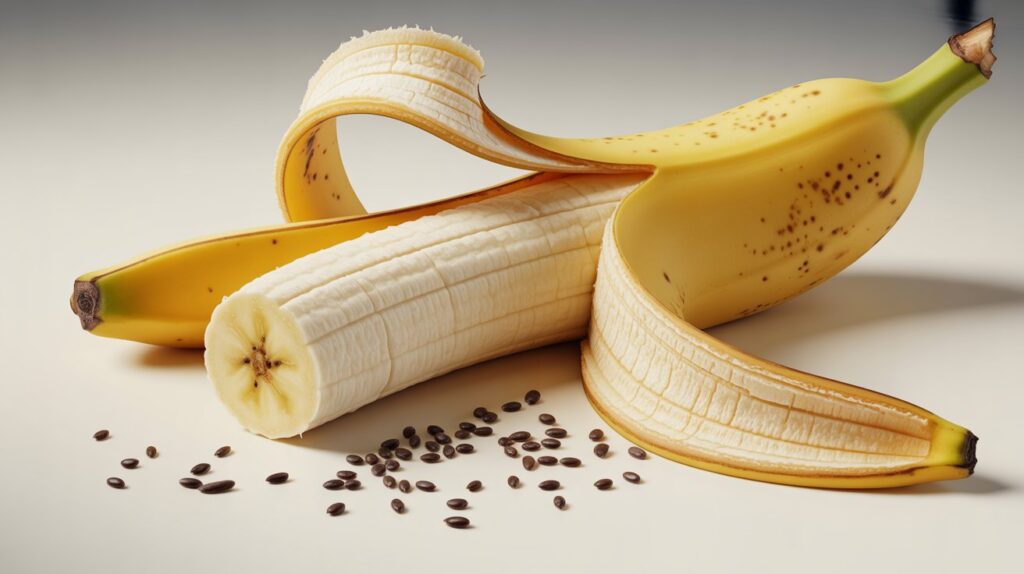
Genetic resources for future breeding
Our current crops are highly vulnerable to diseases like Panama disease. Scientists desperately need Musa acuminata seeds and Musa balbisiana seeds to breed resistant new varieties. Banana Seeds hold the genetic key to saving the industry.
Scientific research and understanding plant biology
Studying these plants provides incredible insights into plant reproduction. Researchers learn exactly how fruits evolve when humans intervene. This helps us understand broader agricultural science.
The role of seeds in the ecosystem
In wild habitats these fruits provide a crucial food source for monkeys and birds. The animals digest the sweet flesh and they excrete the Banana Seeds later. This constant cycle drives vital forest regeneration.
How to Find and Observe Banana Seeds
Tips for examining cultivated banana “seeds”
Slice a regular supermarket banana right down the middle. You will see rows of tiny dark specks running along the center. These are the unfertilized remnants of what should have been Banana Seeds.
Where one might encounter actual wild banana seeds
You can find real wild specimens at botanical gardens or specialty tropical markets. Many online seed vendors sell them if you want to see them firsthand. Searching for images online is also a great visual resource.
Beyond the Peel: Fun Facts and Misconceptions
Are banana seeds edible?
You should never eat wild banana seeds because they are hard enough to crack your teeth. The tiny specks in store bought bananas are perfectly safe though.
Can you grow a banana from a cultivated banana “seed”?
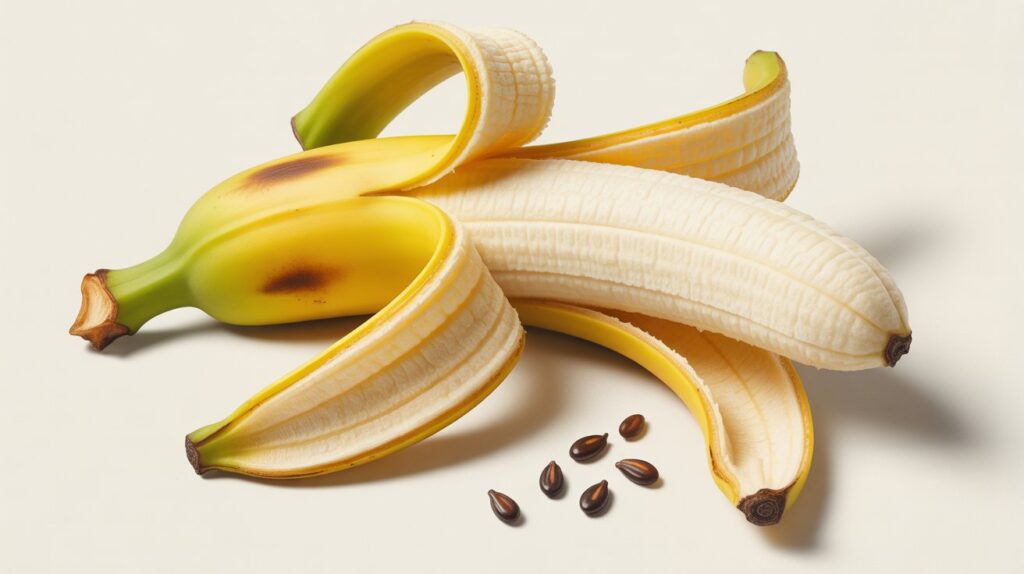
Many wonder can you grow bananas from seeds found in a Cavendish. You absolutely cannot because those specks are completely sterile. You must use banana seed planting steps with viable wild types instead.
The term “banana tree” vs. “banana plant”
People always say banana tree but it is actually a massive herbaceous plant. The main stem is tightly packed leaves rather than solid wood. It dies back after flowering just like a normal herb.
The Future of Banana Cultivation
Cultivated bananas lack true seeds but their wild cousins preserve vital genetic traits. We must protect tropical banana growing conditions to ensure these species survive. The future of our favorite breakfast food depends on these hidden gems.
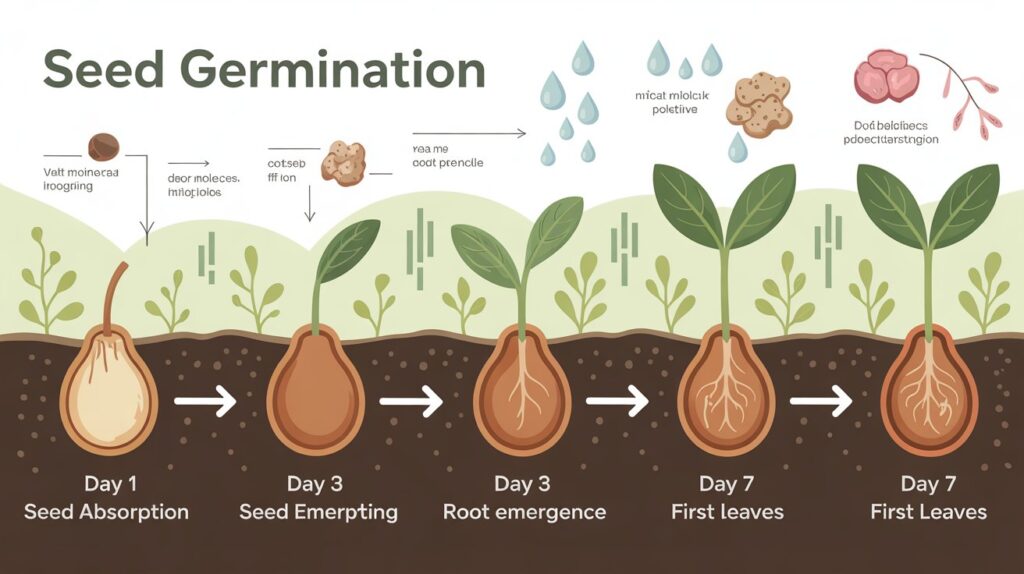
Anyone asking how to grow banana from seed at home should start with wild varieties. You can achieve beautiful results if you master banana seed germination techniques and proper banana plant soil requirements.
FAQ’s
1. How to get seeds from a banana?
You can only get seeds from wild bananas; cut open the fruit and remove the hard black seeds inside.
2. Can you grow a banana tree from a store-bought banana?
No, store-bought bananas are seedless and sterile, so they cannot be grown from seeds.
3. What happens if you plant a banana seed?
If it’s a viable wild banana seed, it can germinate and grow into a banana plant under warm, tropical conditions.
4. What if I eat banana seeds?
Banana seeds (in wild bananas) are safe to eat but very hard and not commonly consumed.
5. Why do some doctors say not to eat bananas?
Some doctors caution people with diabetes, kidney issues, or allergies due to bananas’ sugar and potassium content.
6. What is the banana trick to empty bowels?
Eating ripe bananas with warm water or on an empty stomach may help improve digestion and ease bowel movement.
7. How to get rid of old feces in the colon?
Increase fiber intake, drink plenty of water, exercise regularly, and consult a doctor if constipation persists.
8. What is the best time to eat a banana?
Morning or before workouts is ideal, as bananas provide quick energy and nutrients.
9. Which fruit has the most laxative effect?
Prunes (dried plums) have the strongest natural laxative effect due to high fiber and sorbitol content.