Have you ever looked at a tiny mustard seed and wondered what it eventually becomes? For centuries, cultural stories and ancient texts have painted a picture of this minuscule speck sprouting into a massive, towering canopy. You might have heard tales of birds nesting in its sprawling branches, leading many to ask a very reasonable question: do mustard seeds grow into trees?
The short answer is no. While these seeds produce vigorous, fast-growing plants, they do not transform into actual trees with wooden trunks and bark. Instead, they grow into large annual herbs belonging to the Brassica family. This botanical reality often surprises people who grew up hearing parables and folklore about the mighty mustard tree.
Understanding the true nature of this fascinating plant requires looking past ancient metaphors. By examining the scientific classification of the mustard plant, we can appreciate exactly how these seeds behave in the natural world. This guide will explore everything from the mustard plant vs tree difference to practical mustard seeds growing tips you can use in your own garden.
The Botanical Classification of Mustard Plants
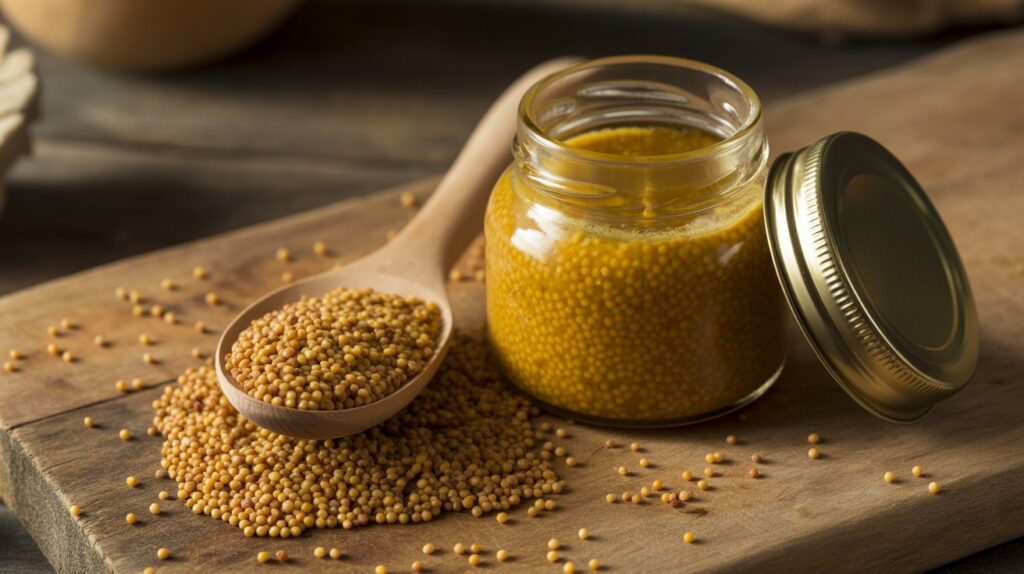
To fully grasp why mustard seeds remain herbaceous plants, we need to look at their family tree. The scientific classification of the mustard plant places it firmly within a group of familiar vegetables.
Brassica Genus: A Diverse Family
Mustard plants belong to the Brassica genus. This is the exact same plant family that includes cabbage, broccoli, cauliflower, and Brussels sprouts. When you look closely at how to identify mustard plants, you will notice they share similar leaf structures and four-petaled yellow flowers characteristic of the Brassicaceae family. Whether you are focusing on black mustard seeds planting or yellow mustard seeds growth, all of these varieties share this common genetic lineage.
Annual Herbs vs. Woody Perennials
Are mustard seeds shrubs or trees? Botanically speaking, they are neither. They are annual herbs. An annual plant completes its entire life cycle—from germination to seed production to death—within a single growing season. Trees, on the other hand, are woody perennials that live for many years and build a sturdy, permanent trunk. Mustard plants lack the genetic coding to produce wood, meaning they could never structurally support the weight of a traditional tree.
From Tiny Seed to Mighty Plant: The Mustard Life Cycle
The mustard seeds growth cycle explained step-by-step reveals a rapid, highly efficient plant. If you want to know how long mustard seeds take to grow, the process is surprisingly fast.
Germination and Early Growth
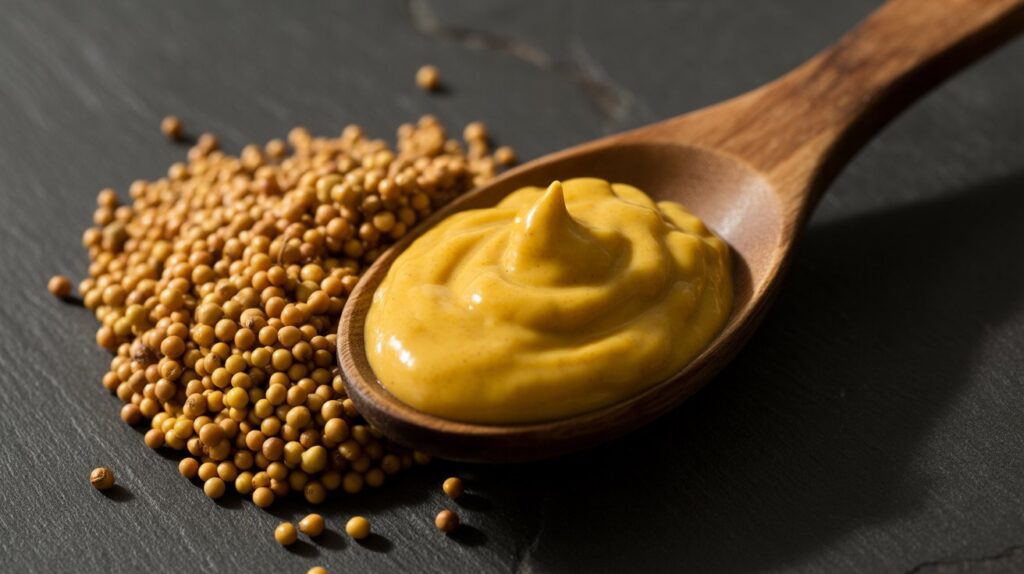
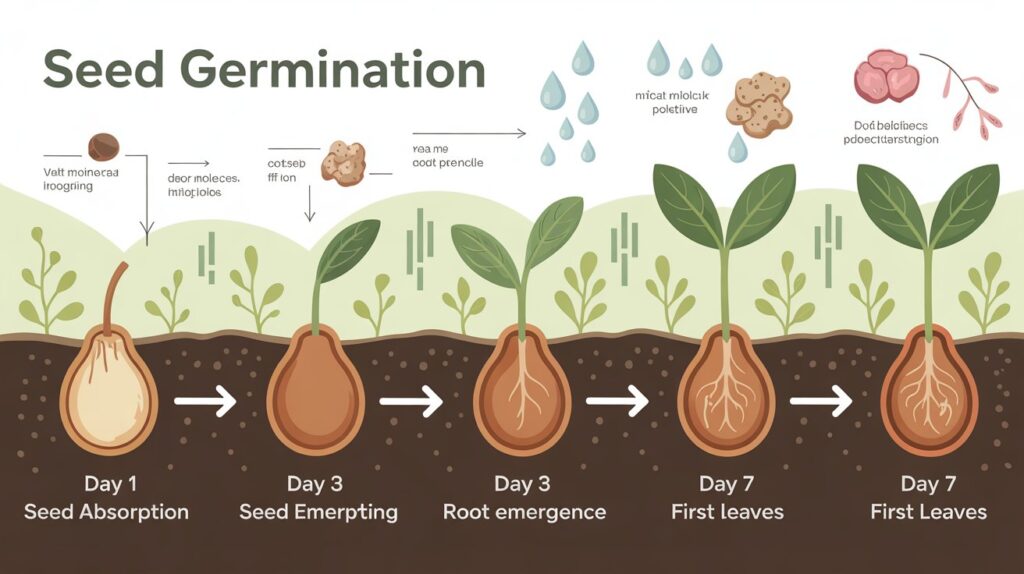
Mustard seed germination time is incredibly quick, often taking just four to ten days under the right conditions. The ideal climate for mustard seeds involves cool weather, making early spring or late summer the best season to plant mustard seeds. They require well-draining dirt, so understanding mustard seeds soil requirements is crucial for a healthy crop. Whether you are trying indoor vs outdoor mustard seeds planting, keeping the soil consistently moist will encourage strong early growth.
Flowering and Seed Production
As the mustard plant growth stages progress, the plant develops a tall main stem adorned with vibrant yellow flowers. These blossoms eventually give way to seed pods. If you are learning how to grow mustard seeds at home, knowing the mustard crop harvesting time is essential. You typically harvest the pods when they turn brown and dry out, right before they split open and scatter the seeds.
The Full-Grown Mustard Plant: Size and Structure
So, how tall do mustard plants grow? A healthy mustard plant can reach heights between three to six feet, and occasionally up to ten feet in optimal conditions. The mustard seeds plant size and height are impressive for an annual herb, but the mustard seeds plant structure remains soft and green.
| Feature | Mustard Plant | Typical Tree |
|---|---|---|
| Lifespan | Annual (1 year) | Perennial (Many years) |
| Stem Structure | Herbaceous, green, hollow | Woody, solid, covered in bark |
| Maximum Height | 3 to 10 feet | 20 to 300+ feet |
| Botanical Family | Brassica | Various (e.g., Pinaceae, Fagaceae) |
Biblical and Cultural References: Understanding the “Mustard Tree” Parable
If mustard seeds do not become trees, why does the famous parable say they do? The answer lies in historical translation and cultural context.
Interpreting the Metaphorical Language
In ancient texts, the mustard seed was often used metaphorically to represent something incredibly small that grows into something unexpectedly large. The contrast between the tiny seed and the bushy, six-foot plant it produces was a powerful visual for ancient audiences. Over time, the word “tree” was used loosely to describe any large plant that could provide shade or shelter for small birds.
Historical Context of Mustard Cultivation
In the ancient Middle East, black mustard was a common crop. Farmers knew it grew rapidly and took over fields easily. While some scholars point to the Salvadora persica (a small desert shrub sometimes called the mustard tree), the biblical parable most likely refers to the common black mustard plant growing unusually large.
Modern Cultivation and Uses of Mustard
Today, mustard seeds farming guide materials focus heavily on the plant’s versatility. It is a highly valued crop across the globe.
Culinary Applications: Seeds, Leaves, and Oil
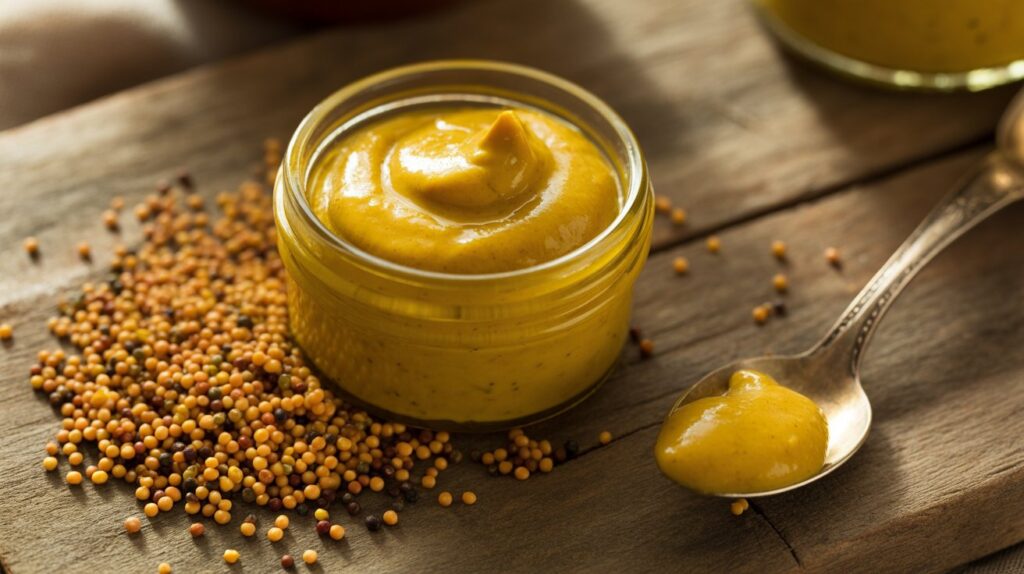
Mustard seeds benefits are widely known in the culinary world. The seeds are ground into the popular condiment, pressed into cooking oil, or used whole for pickling. Additionally, mustard greens cultivation is popular for producing spicy, nutrient-dense leaves used in salads and stir-fries.
Agricultural Importance: Cover Crops and Biofumigation
Beyond the kitchen, mustard seeds uses in gardening and agriculture are highly practical. Farmers plant mustard as a cover crop to suppress weeds and prevent soil erosion. When tilled into the soil, the plants release natural compounds that suppress soil-borne pests, a process known as biofumigation.
Debunking the Myth: Why Mustard Seeds Don’t Grow into Trees
Let’s put the final nail in the coffin of the mustard tree myth by looking at the biology and practical care of the plant.
Genetic and Growth Limitations
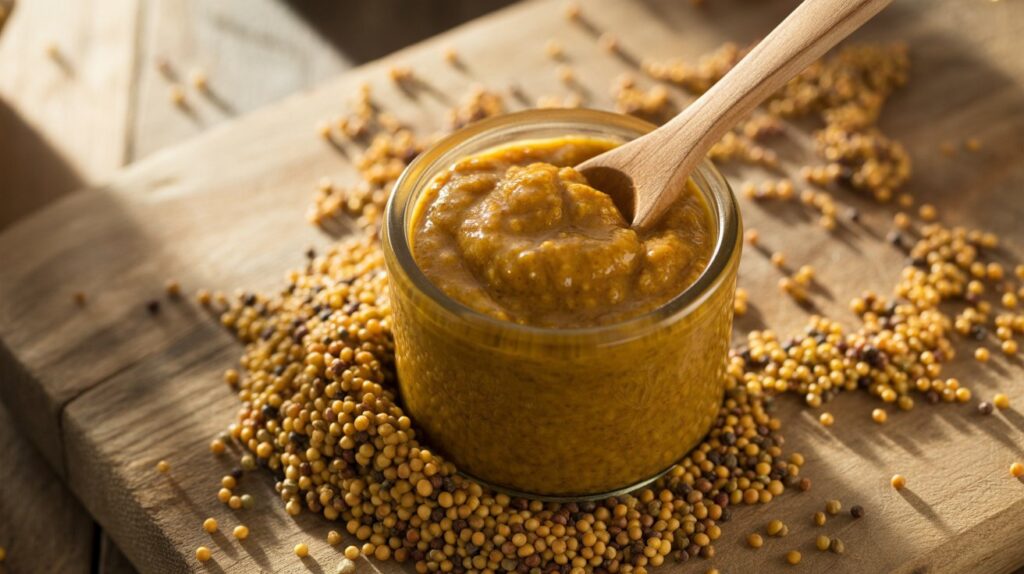
A plant’s final form is dictated by its DNA. Mustard plants allocate their energy into rapid upward growth and seed production, not into building a thick, woody trunk. While you might encounter common problems in mustard seeds growth—such as fungal diseases or pest infestations—spontaneously turning into a tree is not one of them. Providing the correct watering needs for mustard seeds ensures a healthy herb, but it will never produce bark.
Distinguishing Between Herbs, Shrubs, and Trees
When comparing the mustard seeds plant vs tree difference, it always comes down to the stem. Trees and shrubs have woody stems that survive the winter. Mustard plants have herbaceous stems that die back completely when the frost arrives or the life cycle ends. You can maximize your mustard seeds yield per plant with good mustard plant care tips, but the plant will always remain an annual herb.
The Enduring Significance of the Humble Mustard Seed
The myth of the mustard tree might be scientifically inaccurate, but the reality of the mustard plant is just as impressive. From a seed just one or two millimeters wide, a towering, vibrant, six-foot plant emerges in a matter of weeks. Planting mustard seeds at home is a rewarding experience that offers delicious greens, spicy seeds, and excellent soil benefits for your garden.
If you are ready to try growing this incredible plant, grab a packet of seeds, prepare a sunny spot in your garden, and watch one of nature’s fastest growers get to work.
FAQ’s
1. How long does it take for a mustard seed to grow into a tree?
Mustard plants grow quickly and mature in about 60–90 days, but they are technically shrubs, not true trees.
2. Why is mustard oil not allowed in the USA?
Mustard oil is restricted for cooking in the U.S. due to high erucic acid levels, which may pose health risks in large amounts.
3. Does mustard help arthritis?
Mustard seeds and oil may provide mild anti-inflammatory relief, but they are not a proven cure for arthritis.
4. What did Jesus Christ say about mustard seeds?
He used it as a parable, saying even faith as small as a mustard seed can grow into something great.
5. Which sin will God never forgive?
In Christian teaching, blasphemy against the Holy Spirit is described as the unforgivable sin.
6. Will we still be male and female in heaven?
The Bible suggests earthly distinctions like marriage won’t apply, but it doesn’t clearly define gender identity in heaven.
7. What does 444 mean to Jesus?
The number 444 is not mentioned in the Bible; its meaning comes from modern interpretations, not Jesus’ teachings.
8. What did Billy Graham say about cremation?
He said cremation is acceptable for Christians and does not affect resurrection.
9. Is saying “oh jeez” a sin?
Some consider it disrespectful since it references Jesus’ name, but views differ depending on intent and belief.