Growing seeds of millet can be easy when you give them the right conditions. Temperature is one of the most important factors for seed germination. If the soil is too cold, seeds of millet may take longer to sprout. Warm soil usually helps them start faster and grow better. Different millet varieties can also have different temperature needs.
Some types, such as proso millet, can handle cooler soil than others. Knowing the right soil temperature before planting can help you avoid poor seed emergence and weak seedlings. In this guide, you will learn the best temperature for millet seeds, how cold or hot soil affects germination, and when to plant millet for healthy early growth.
What Temperature Do Seeds of Millet Need to Germinate?
The ideal seeds of millet temperature depends on the type you grow. Most common types prefer warm soil, especially pearl millet, foxtail millet, and Japanese millet.
For many types, about 70°F or higher is a useful target for planting. Proso millet can be planted earlier because it tolerates cooler soil. This makes the correct soil temperature an important part of planning.
The Ideal Soil Temperature for Seeds of Millet
The best soil temperature for millet is generally around 70°F or higher for most types. Warm soil helps the seed absorb water and begin seed germination properly.
Minimum Temperature for Millet Seed Germination
Proso millet can tolerate soil temperatures around 55°F to 65°F. Other millet types usually perform better when the soil becomes warmer.
Maximum Temperature That Can Affect Seeds of Millet
There is no single maximum temperature that applies to every millet species. Extremely hot, dry soil can reduce available soil moisture and create poor conditions for emergence.
Why Temperature Matters When Growing Millet From Seeds
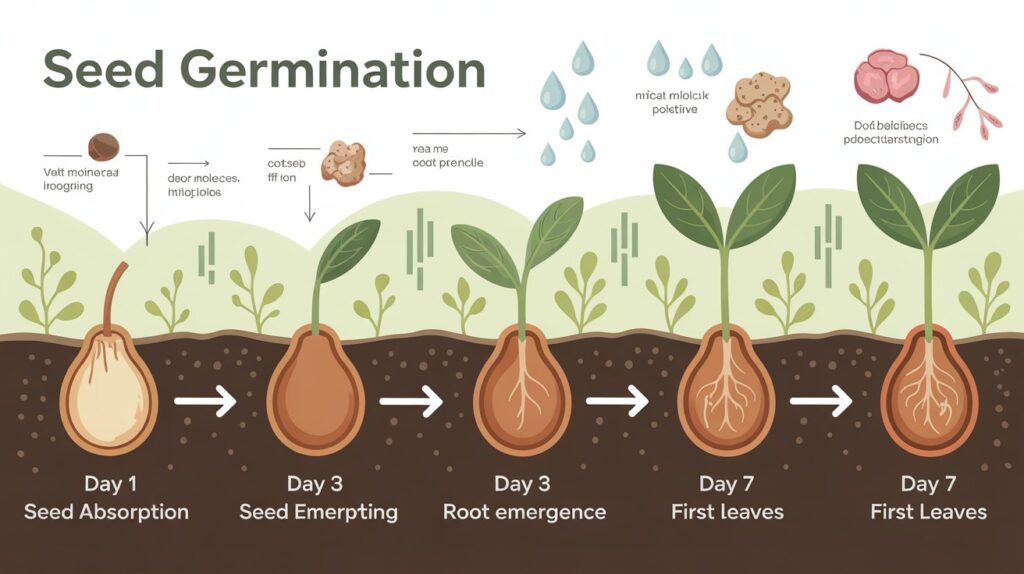
Temperature affects how quickly a seed starts growing. When the soil is warm and moist, the seed can begin normal seed germination. Cold soil can slow this process.
Millet is naturally adapted to warm weather. This is why planting too early can lead to poor seed emergence, even when the air feels comfortable.
How Cold Soil Slows Millet Seed Germination
Cold soil slows biological activity inside the seed. The seed may absorb water but take longer to produce a strong root and shoot.
This can delay millet seedlings and leave them exposed to weeds, crusted soil, insects, or changing weather.
How Excessive Heat Can Reduce Seed Germination
Very hot soil can dry quickly. If seeds do not have enough moisture, seed germination may become uneven.
Good planting conditions require a balance between temperature and moisture. Warm soil alone is not enough for strong emergence.
What Soil Temperature Is Best for Different Millet Types?
Different millet varieties have different climate preferences. Some are better for dry areas, while others handle wet or humid conditions.
University of Missouri Extension identifies pearl, foxtail, proso, Japanese, browntop, and finger millet as important millet types grown or used in the United States.
| Millet type | General temperature preference | Common U.S. use |
|---|---|---|
| Pearl millet | Warm soil | Forage, grain, cover crop |
| Proso millet | Cooler than most millets | Grain and birdseed |
| Foxtail millet | Warm summer soil | Forage and cover crop |
| Japanese millet | Warm and moist conditions | Wildlife and cover crop |
| Browntop millet | Warm conditions | Forage and wildlife |
| Finger millet | Warm conditions | Food and forage |
Pearl Millet Seed Temperature Requirements
Pearl millet prefers warm conditions and is widely used in southern parts of the United States. It can tolerate hot and relatively dry conditions.
Proso Millet Seed Temperature Requirements
Proso millet is more tolerant of cool soil than many other types. It can be seeded when soil temperatures are about 55°F to 65°F.
Foxtail Millet Seed Temperature Requirements
Foxtail millet is a fast-growing summer millet. It is commonly used for forage and cover cropping, especially across much of the eastern two-thirds of the United States.
Browntop and Japanese Millet Seed Requirements
Browntop and Japanese millet are suited to warm conditions. Japanese millet is especially useful where soils can remain wet or receive more moisture.
How to Check Soil Temperature Before Planting Seeds of Millet
Checking soil temperature is better than guessing from the air temperature. A warm afternoon does not always mean the soil is warm enough.
Measure the soil near the planned millet planting depth. Take readings in more than one location when the field is large.
Using a Soil Thermometer Correctly
Place the thermometer at the approximate depth where the seed will be planted. Avoid taking only a surface reading because the surface can become warmer than the seed zone.
What Time of Day Should You Check Soil Temperature?
Morning readings can show the coolest soil conditions. A useful approach is to check soil at a consistent time for several days before deciding on the planting date.
When Should You Plant Seeds of Millet in the USA?
The correct millet planting time depends on the millet type and local climate. Most millets are planted after the soil becomes warm.
University of Missouri Extension notes that many millets are normally planted in the latter half of May or early June, depending on the growing region.
Best Planting Time by U.S. Growing Region
Northern areas usually need to wait longer for warm soil. Southern areas may reach suitable temperatures earlier.
The local growing season, recent weather, and soil conditions should all be considered before planting.
When Northern States Should Plant Millet
Northern growers should wait until the soil reaches a suitable temperature for the chosen millet. Proso millet may allow earlier planting because of its cooler-soil tolerance.
When Southern States Can Plant Millet
Southern areas often reach warm soil temperatures earlier. Pearl millet is particularly well suited to many southern and southeastern conditions.
Can Seeds of Millet Germinate in Cold Soil?
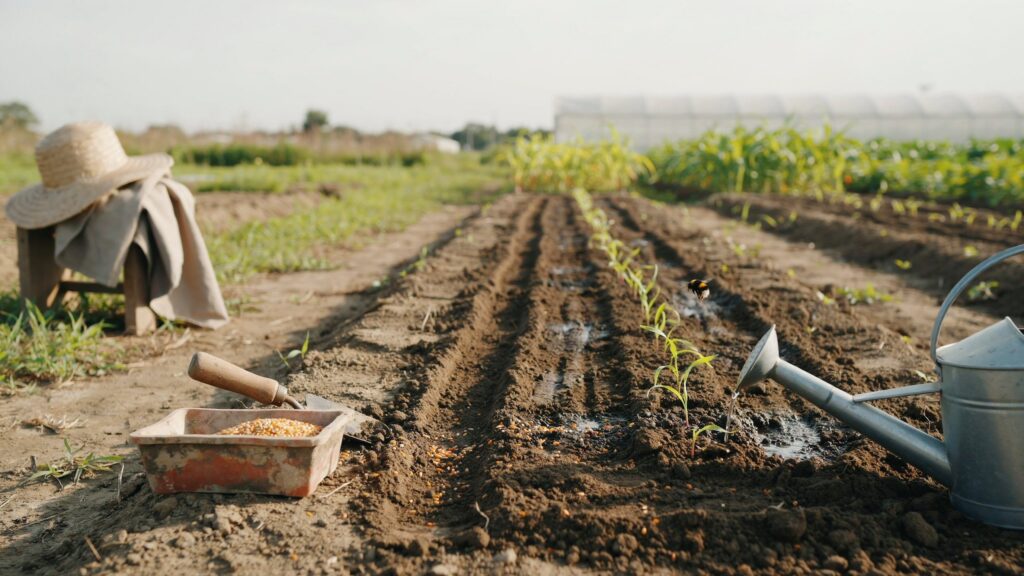
Yes, some seeds of millet can germinate in cooler soil, but performance depends on the species. Proso millet is the clearest example of a millet that tolerates cooler temperatures.
For many other types, waiting for warmer soil improves millet crop establishment. Cold planting can create uneven stands.
What Happens Below the Recommended Temperature?
Cold soil can slow seed emergence. The seed may remain in the soil longer before producing visible growth.
Signs That Cold Soil Is Delaying Germination
Slow emergence, uneven seedlings, and long gaps between plants can indicate poor temperature conditions. However, moisture, seed quality, and planting depth can cause similar symptoms.
Can Seeds of Millet Germinate in Hot Soil?
Millet generally likes warm weather. However, very hot soil combined with low moisture can create stress during early growth.
The goal is not simply to find the hottest soil. The goal is to provide suitable temperature, moisture, oxygen, and good seed contact.
How High Soil Temperatures Affect Seed Viability
High heat can become a problem when seeds are exposed to dry conditions for too long. The exact response varies by species and seed quality.
How to Protect Seeds of Millet From Excessive Heat
Maintaining suitable soil moisture is important. Correct planting depth can also protect seeds from rapid drying near the soil surface.
How Long Do Seeds of Millet Take to Germinate?
Millet does not have one fixed germination time for every species and situation. Temperature, moisture, seed quality, variety, and planting depth can all change the speed of emergence.
University of Missouri Extension reports that several millet types mature in about 60 to 90 days, depending on planting date, variety, and weather.
Expected Germination Time at Ideal Temperatures
Under suitable conditions, millet can emerge relatively quickly. Warm soil and adequate moisture usually support faster early growth.
Why Some Seeds of Millet Take Longer to Sprout
Seeds may take longer when the soil is cold, dry, excessively wet, or poorly prepared. Old or low-quality seed can also reduce uniform emergence.
What Moisture Level Do Seeds of Millet Need for Germination?
Seeds need enough water to start the germination process. However, saturated soil can create other problems because roots also need oxygen.
Good growing conditions provide moisture without keeping the seed zone continuously waterlogged.
How Much Water Is Enough for Seeds of Millet?
The seedbed should remain evenly moist during early germination. The exact amount depends on soil type, rainfall, temperature, and drainage.
Why Wet Soil Can Prevent Seeds of Millet From Sprouting
Waterlogged soil can reduce oxygen around the seed. This may slow germination and damage young roots.
Japanese millet is different from some other types because it has good tolerance of wet conditions.
How Deep Should You Plant Seeds of Millet?
Millet planting depth should be shallow enough for young shoots to reach the surface easily. Exact recommendations can vary by species and production system.
A University of Minnesota trial used a depth of 1/2 to 3/4 inch for Japanese millet and pearl millet.
The Best Planting Depth for Good Seedling Emergence
A consistent seed depth helps create even seed emergence. Seeds placed too deep may struggle to reach the surface.
Why Planting Seeds of Millet Too Deep Can Cause Problems
Seeds of millet are small. Deep planting can make it harder for millet seedlings to reach sunlight.
Do Seeds of Millet Need Light to Germinate?
Seeds of millet do not need to be placed on the soil surface simply to receive light. Proper soil placement is more important for field planting.
For outdoor production, follow the recommended depth for the selected millet and local production system.
Light and Darkness During Millet Seed Germination
Light requirements can vary among plant species. For field production, focus on correct temperature, moisture, seed depth, and soil contact.
What to Do When Starting Seeds of Millet Indoors
Indoor growing gives you more control over temperature and moisture. A clean seed-starting medium and shallow planting can support early growth.
Why Are My Seeds of Millet Not Germinating?
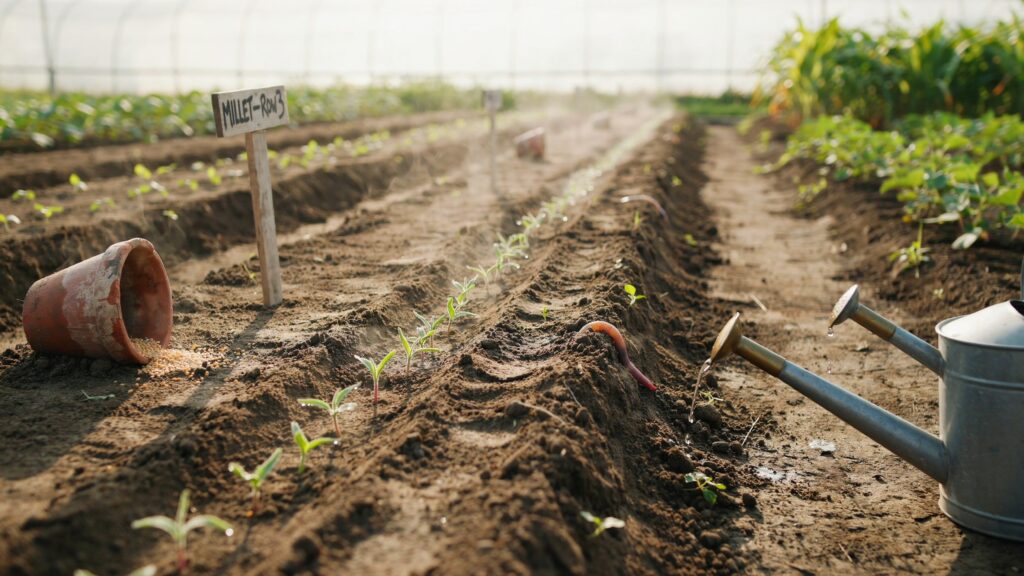
Poor millet seed germination usually has more than one possible cause. Temperature is important, but it is not the only factor.
Check the soil, seed quality, planting depth, moisture, and recent weather before changing your planting method.
Cold Soil Problems
Cold soil is a common concern when millet is planted too early. Most types prefer warm conditions, while proso can handle cooler soil.
Poor Seed Quality
Old, damaged, or poorly stored seed may have reduced germination. Always buy seed from a reliable source when consistent crop production is important.
Incorrect Planting Depth
Planting too deeply can delay emergence. Small seeds of millet generally perform better when planted at an appropriate shallow depth.
Too Much or Too Little Water
Dry soil can stop germination. Excess water can reduce oxygen and create poor conditions around the seed.
How to Increase Millet Seed Germination at Home
Successful home growing depends on controlling the basics. Keep the growing medium warm, evenly moist, and well drained.
The same principles used for field crop establishment also apply to small-scale growing. Good seed quality and correct planting depth make a major difference.
A Simple Temperature and Moisture Setup
Use a clean tray with a well-drained growing medium. Keep the medium moist but avoid standing water.
Using a Seed-Starting Tray for Better Control
A tray allows you to control temperature and moisture more easily than outdoor soil. It can be useful when the local weather is still too cool.
When a Heat Mat Can Help
A heat mat may help maintain warm root-zone conditions when indoor temperatures are low. Avoid excessive heat and follow the equipment instructions.
How to Germinate Seeds of Millet Successfully in the USA
Start by identifying the exact millet species. The word “millet” covers several different grasses with different uses and climate preferences.
For field production, match the seed to local millet growing conditions. Proso suits cooler and drier areas, while pearl and Japanese millet have different climate strengths.
Step-by-Step Millet Seed Germination Method
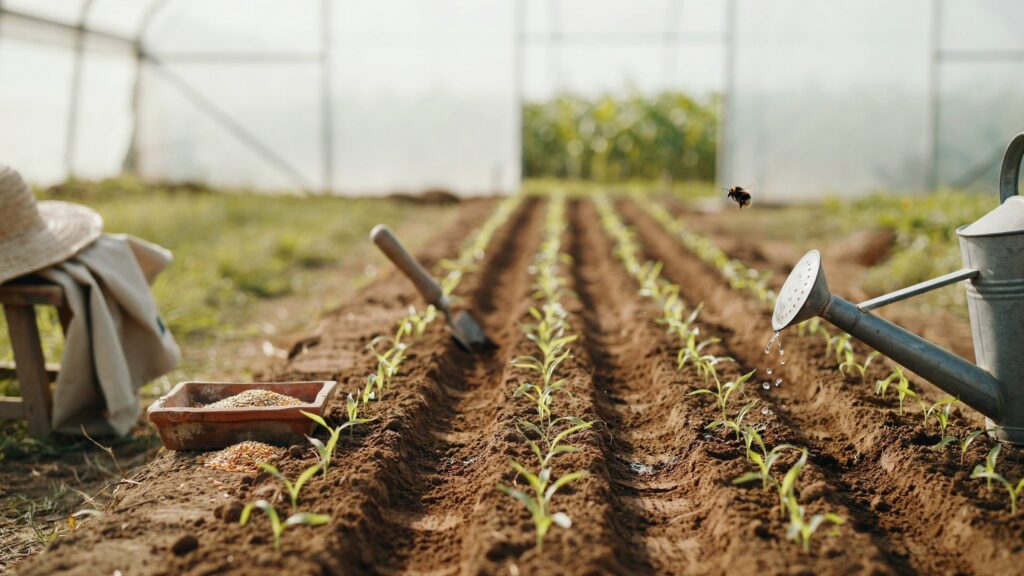
Prepare a fine seedbed, check the soil temperature, provide suitable moisture, and plant at the correct depth. Then protect the seedbed from severe drying or crusting.
When to Move Millet Seedlings Outdoors
Move indoor millet seedlings outdoors after they have become established and outdoor conditions are suitable. Avoid moving young plants into cold soil.
Millet Varieties and Their Main Uses
Choosing among millet varieties depends on the purpose of the crop. Some are mainly grown for grain. Others are used for forage, wildlife, or cover crops.
For example, proso millet has an important U.S. food and birdseed market, while pearl millet is widely used as forage. Foxtail millet is also useful for forage and summer cover.
| Millet | Main use | Typical U.S. adaptation |
|---|---|---|
| Pearl millet | Forage and grain | South and Southeast |
| Proso millet | Food and birdseed | High Plains and western areas |
| Foxtail millet | Forage and cover | Eastern two-thirds |
| Japanese millet | Wildlife and cover | Wet to moderate-moisture areas |
| Browntop millet | Wildlife and forage | Southeast to central U.S. |
| Finger millet | Food and forage | Limited U.S. adaptation |
Millet Seed Production and Crop Establishment
Millet seed production can be used for food, birdseed, livestock feed, or future planting. The best system depends on the millet type and local market.
Strong millet crop establishment starts with good seed, proper temperature, enough moisture, and correct depth. Poor establishment can reduce the final stand.
Millet Grain Production
Millet grain production is more established for some types than others. Proso has significant U.S. food use, while other types are often used for forage or other purposes.
Millet Forage
Millet forage can provide a warm-season feed option. Pearl millet and foxtail millet are important forage examples.
Drought or other weather stress can increase nitrate concerns in millet forage. Testing hay may be appropriate when nitrate risk is suspected.
How Millet Growing Conditions Affect Seed Germination
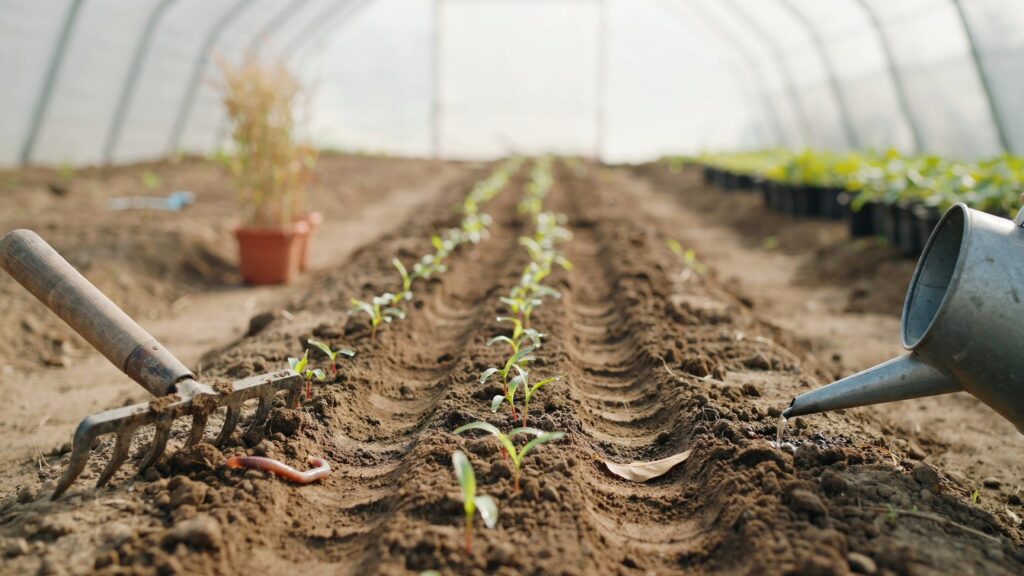
The best millet growing conditions combine suitable temperature, moisture, soil preparation, and a proper planting date.
Millets are warm-season grasses. Their performance can change greatly when the soil remains cold or dry during establishment.
Soil Temperature and Soil Moisture
Soil temperature and soil moisture work together. Warm soil without enough water cannot support normal germination.
Likewise, wet soil that lacks good drainage can create poor conditions for young roots.
Growing Season and Weather
The local growing season affects when millet can be planted and how long it has to mature. Variety selection should match the available season.
Millet Planting Depth and Seed Emergence
Correct millet planting depth helps the seed remain moist while still allowing the shoot to reach the surface.
The University of Minnesota reports 1/2 to 3/4 inch planting depths for Japanese and pearl millet in its cover-crop trials. Local recommendations may differ by soil and production system.
Seed Emergence Problems
Uneven seed emergence can result from cold soil, dry conditions, excessive moisture, crusting, poor seed contact, or inconsistent depth.
Improving Early Seedling Growth
Good seedling growth begins with strong emergence. Keep the seed zone suitable and avoid planting before the soil is ready.
What Is the Best Millet for Different U.S. Conditions?
There is no single millet that fits every U.S. location. Different species have different strengths.
Proso millet is suited to cooler and shorter growing seasons. Pearl millet handles heat and dry conditions well. Japanese millet is useful in wetter areas. Foxtail millet is a fast summer cover option.
Dry Conditions
Pearl and proso millet are among the stronger choices for relatively dry conditions. Pearl millet is especially known for its tolerance of hot and dry environments.
Wet Conditions
Japanese millet is particularly useful where soils are frequently wet. It is also commonly used for wildlife plantings.
Frequently Asked Questions About Millet Seeds
What Temperature Is Too Cold for Seeds of Millet?
Most millet types prefer about 70°F or higher for germination. Proso millet can tolerate cooler soil around 55°F to 65°F.
What Temperature Is Too Hot for Millet Seeds?
There is no universal maximum temperature for every millet type. Very hot soil becomes more risky when it is also dry and lacks enough moisture.
Can Millet Seeds Germinate at 60°F?
Yes. Proso millet can germinate under cooler conditions around this range. Many other millet types perform better when the soil is closer to 70°F or warmer.
How Many Days Do Millet Seeds Take to Sprout?
The exact time varies with species, temperature, moisture, seed quality, and planting depth. Warm and favorable conditions usually support faster emergence.
Should Millet Seeds Be Soaked Before Planting?
Soaking is generally not necessary for normal field planting. Good soil moisture and the correct planting conditions are more important.
Final Thoughts on Seeds of Millet and Germination Temperature
The right temperature is one of the most important factors when planting seeds of millet. Most millet types prefer warm soil around 70°F or higher, while proso millet can tolerate cooler soil.
Good seed germination also requires suitable moisture, correct depth, healthy seed, and proper timing. When these factors work together, millet can establish a strong stand and provide useful grain, forage, wildlife cover, or a summer cover crop.
The best approach is to identify the millet variety first. Then match the planting date, soil temperature, moisture, and local climate to that variety. This simple step can improve millet crop establishment and reduce many early-season problems.