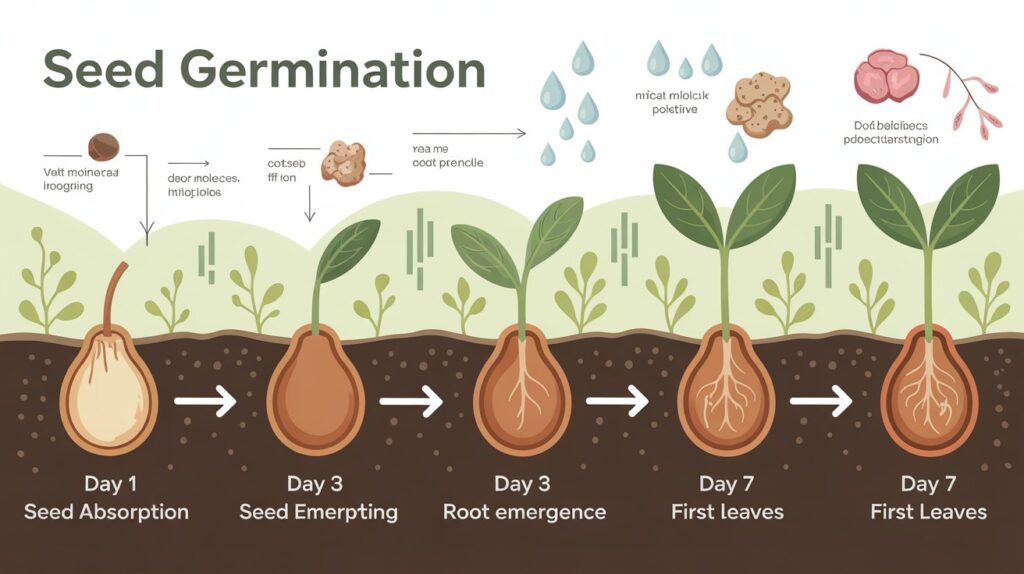
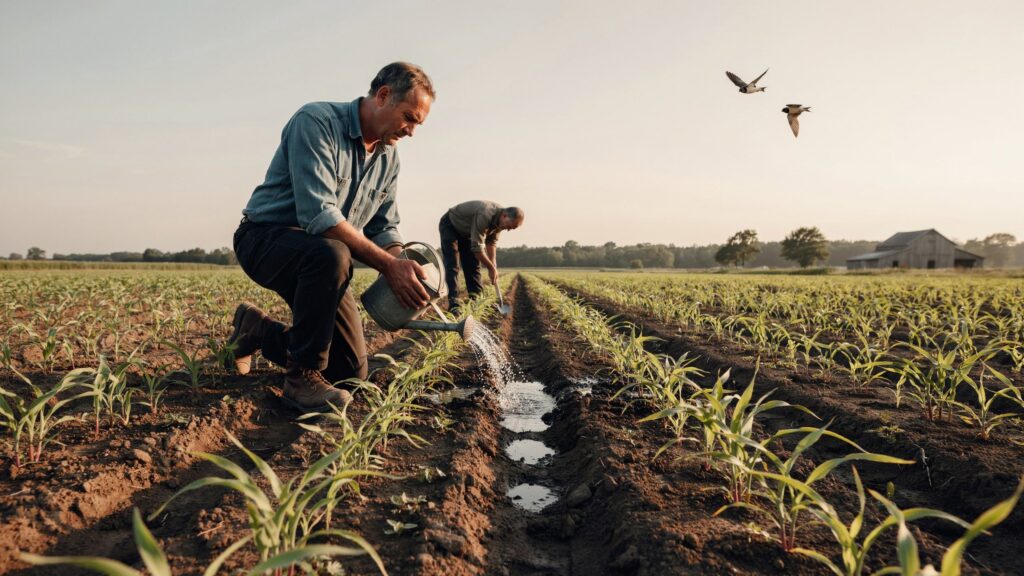
Watering millet seed the right way can make a big difference after planting. Too little water may slow millet seed germination, while too much water can leave the soil soggy. New growers often wonder how often they should water their seeds, especially during hot and dry weather. The answer depends on soil type, rainfall, temperature, and planting depth.
Millet seeds need steady moisture while they begin to grow. However, they don’t need waterlogged soil. With a simple watering routine, you can help young millet plants emerge evenly and develop strong roots. This guide explains when to water, how much moisture the soil needs, and how watering should change across different U.S. regions. It also covers common watering mistakes that can hurt your crop.
How Often Should You Water Millet Seeds After Planting?
There isn’t one watering schedule that works for every millet seed planting. During germination, check the upper soil each day and water whenever it begins drying. Sandy soil may need attention sooner than clay soil because it loses available moisture more quickly.
A useful rule is to keep the seed zone evenly moist rather than wet. Irrigation should replace moisture lost through evaporation and drainage. Recent rain should always count toward the plant’s water supply.
Should Millet Seed Stay Wet or Just Moist?
Millet seed should stay moist rather than constantly wet. Moist soil allows the seed to absorb water while leaving enough air between soil particles for healthy early root growth.
Think of a wrung-out sponge rather than a soaked one. The sponge contains moisture but still holds air. That same balance creates favorable millet soil moisture conditions around newly planted seeds.
How Much Water Does Millet Seed Need to Germinate?
The amount of water needed varies with soil texture, temperature, rainfall, and planting depth. Instead of chasing one fixed number, focus on maintaining moisture around the seed until millet seed germination begins.
Early irrigation should wet the seed zone evenly. It shouldn’t create puddles or move the tiny seeds. University of Minnesota Extension similarly recommends maintaining moisture in the germination and early-growth root zone when needed. (University of Minnesota Extension)
How Long Should You Keep Watering Millet Seeds?
Continue checking moisture until seedlings emerge and begin developing roots. The most delicate period occurs before emergence because the seed has limited access to water stored deeper in the soil.
Once plants emerge, watering can gradually shift toward supporting root growth. Your millet growing conditions then become more important than following a strict day-by-day schedule.
Millet Seed Watering During the First 3 Days
The first three days deserve close attention because newly planted millet seeds have little protection from drying. Check the soil gently each morning and again during unusually hot weather.
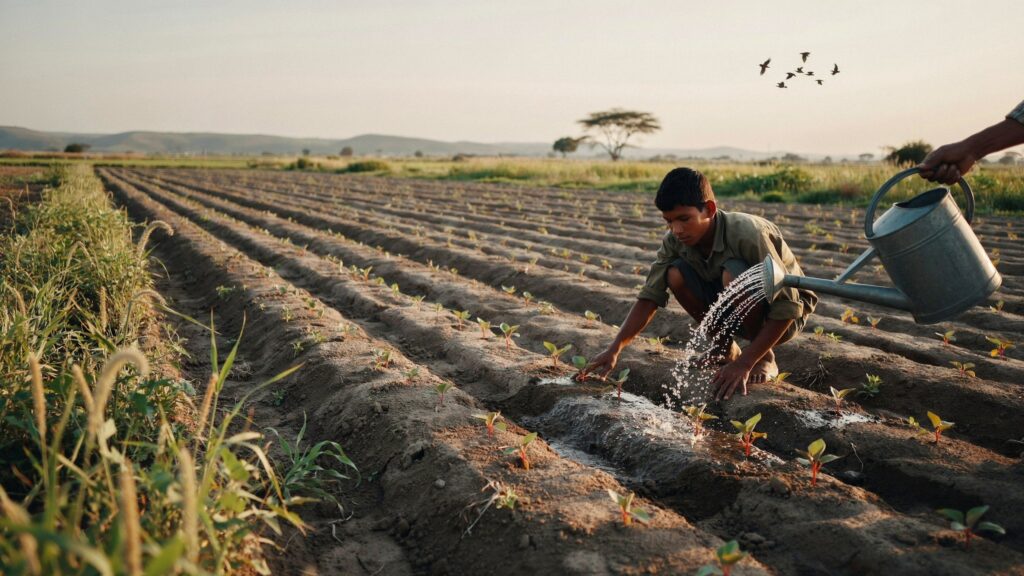
If the surface and seed zone feel dry, apply a light watering. Avoid a strong spray because it can disturb seed-to-soil contact and expose shallow seeds.
Millet Seed Watering From Day 4 to Germination
From day four onward, keep checking moisture instead of automatically watering every day. Germination speed depends on the millet type, temperature, moisture, and seed quality.
Warm soil can encourage quicker seed germination, while cool conditions may delay emergence. Avoid compensating for slow emergence by flooding the seedbed.
What Soil Moisture Is Best for Millet Seed Germination?
The best condition is evenly moist soil with adequate drainage. Millet soil moisture should support water absorption without filling every pore with water.
This balance becomes especially important after heavy rain. Well-drained soils can provide moisture while allowing oxygen to remain around developing roots. Poor drainage can keep the seedbed saturated for too long.
How to Check Soil Moisture Without a Moisture Meter
A simple finger test works well for a small garden. Push your finger into the soil beside the planting area rather than directly into the seed row.
The soil should feel slightly cool and damp. If it feels dusty or loose, the seed zone may need water. If it feels sticky and saturated, wait before irrigating.
How Often to Water Millet Seeds in Sandy Soil
Sandy soil usually needs more frequent checking because water moves downward quickly. Newly planted millet seed can therefore face drying even when the surface looked moist earlier.
Use smaller irrigation amounts when necessary and inspect the soil often. Hot weather and wind can make sandy ground lose moisture particularly fast.
Why Sandy Soil May Need More Frequent Watering
Sand has larger spaces between particles, allowing water to drain quickly. This characteristic can benefit roots later but can challenge seeds during early establishment.
When dry conditions persist, the seed zone may lose useful moisture before roots develop deeper. More frequent monitoring becomes more useful than simply applying large amounts of water.
How Often to Water Millet Seeds in Clay Soil
Clay soil behaves almost opposite to sand. It can hold water for longer periods, which means frequent irrigation may create excessive moisture around the seed.
Wait until the planting zone begins losing moisture before watering again. Avoid working or walking heavily on saturated clay because compaction can further reduce drainage.
How Clay Soil Changes Millet Seed Watering
Dense clay can retain substantial moisture while restricting air movement. Therefore, the watering interval may be longer than in sandy soil.
Heavy irrigation can also produce surface crusting after drying. A gentle watering method helps maintain moisture without creating a hard surface that interferes with emerging seedlings.
How Often to Water Millet Seeds in Loamy Soil
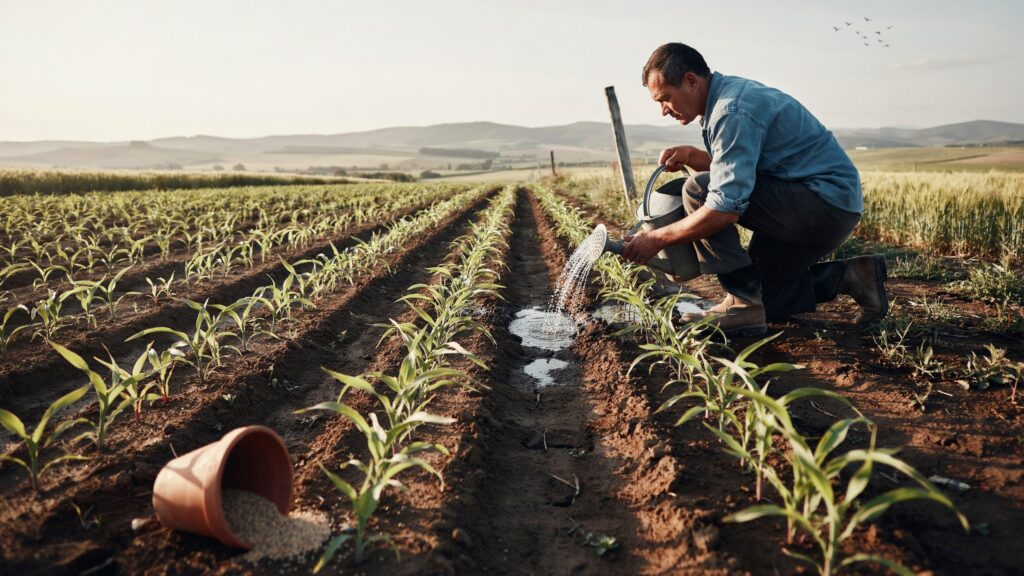
Loamy soil often provides a useful middle ground. It can retain enough water for germination while allowing excess moisture to drain.
Even so, don’t assume every loam behaves identically. Organic matter, compaction, rainfall, and weather can change its water-holding behavior throughout the growing season.
Why Well-Drained Soil Helps Millet Seeds
Good drainage gives developing roots access to both water and oxygen. This is particularly valuable when rainfall arrives soon after irrigation.
Different millet varieties also tolerate moisture differently. Japanese millet can handle wetter conditions better than some other types, while several millets perform well under drier conditions. (Minnesota Crop News)
How Weather Changes Millet Seed Watering
Weather can completely change your watering needs from one day to the next. Heat increases evaporation, while wind can dry exposed soil even faster.
Rainfall should always be part of the calculation. Instead of asking whether today is a watering day, ask whether the seed zone actually needs moisture.
Watering Millet Seeds During Hot and Dry Weather
Hot weather can pull moisture from shallow soil surprisingly quickly. During dry conditions, inspect the seedbed more frequently, especially when planting shallow millet seed.
A study from Minnesota Extension found that pearl millet and other warm-season crops could establish well under challenging summer conditions when moisture was available. (Minnesota Crop News)
Watering Millet Seeds After Rain
Rain changes the equation immediately. After a substantial shower, check the soil before watering again.
If the seed zone remains damp, skip irrigation. During high moisture conditions, additional water can create drainage problems instead of helping germination.
Should You Water Millet Seeds Every Day?
Daily watering isn’t automatically necessary. The correct frequency depends on soil texture, temperature, wind, rainfall, and the amount of moisture retained around the seed.
Daily checking can be useful during hot weather. Daily irrigation isn’t always useful. That distinction can prevent both drought stress and unnecessary saturation.
Signs Your Millet Seeds Need More Water
Dry soil around the seed zone is the clearest warning. Poor or uneven emergence can also indicate that moisture wasn’t consistent enough during germination.
Look at several areas rather than checking only one spot. Uneven soil texture can cause one section to stay moist while another dries quickly.
Signs You Are Overwatering Millet Seeds
Persistently soggy soil is an obvious warning. Standing water, slow drainage, and weak emergence can also suggest that irrigation has become excessive.
Overwatering doesn’t compensate for poor millet planting conditions. Seeds need moisture plus oxygen. Saturated soil can reduce the air available around the developing seed and roots.
What Happens If Millet Seeds Dry Out After Planting?
When a newly planted seed dries before germination finishes, development can slow or become uneven. This may produce gaps across the planting area.
The problem becomes more serious when shallow seed sits in hot soil. Maintaining consistent moisture during establishment helps protect the emerging crop from repeated wet-dry cycles.
Can Dry Soil Stop Millet Seed Germination?
Yes. A seed needs sufficient water to activate the biological processes involved in germination.
If the soil repeatedly dries around the seed, millet seed germination can become delayed or uneven. Proper moisture must work together with suitable soil temperature and good seed placement.
What Happens If You Overwater Millet Seeds?
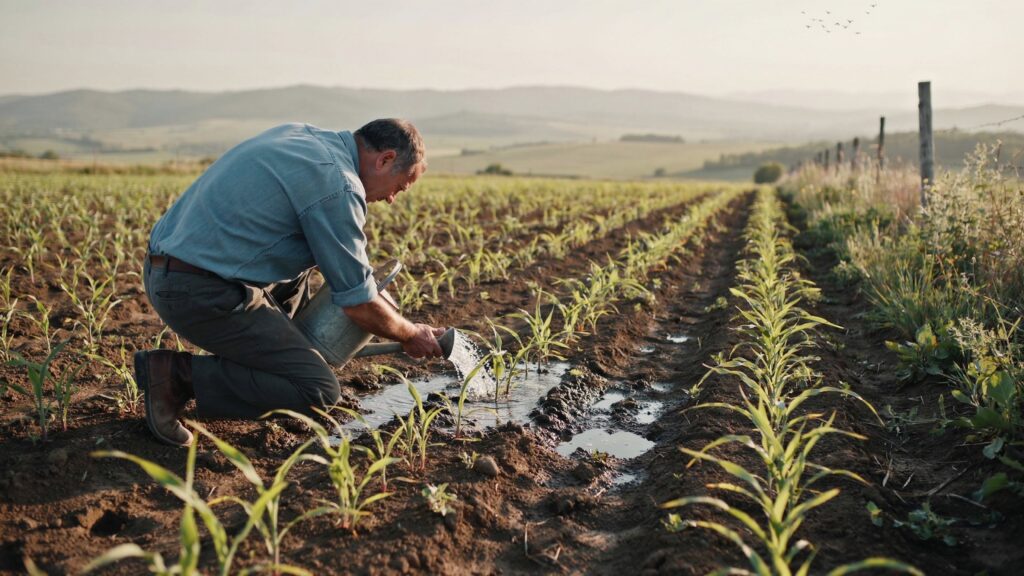
Too much water can displace air from soil pores. Seeds then face a poorly aerated environment instead of the balanced conditions needed for early development.
Overwatering also becomes more concerning in heavy soil. Allowing excess water to drain helps preserve a healthier environment around the developing roots.
Can Too Much Water Cause Millet Seeds to Rot?
Excess moisture can create unfavorable conditions around seeds and roots. Poor drainage makes the situation worse because water remains near the planting zone.
Species selection matters too. Japanese millet seed is relatively tolerant of wet conditions, while other millet types may perform better in moderate moisture or drier environments. (Minnesota Crop News)
How to Water Millet Seeds Without Washing Them Away
Small seeds can move easily when water hits the soil too forcefully. Use a gentle spray or slow irrigation that wets the soil without creating channels.
Good seed-to-soil contact matters because the seed needs close contact with moist soil. A strong stream can expose or bury seeds unevenly.
Best Watering Methods for Small Millet Seeds
A fine spray works well for small garden plantings. A gentle sprinkler can also provide uniform coverage across a larger area.
For field production, irrigation should complement proper millet seeding and seed placement. A grain drill can help place seed consistently at the intended depth. (University of Minnesota Extension)
How Often Should You Water Millet After Seedlings Emerge?
Once seedlings emerge, watering should support root development rather than keeping the surface constantly wet. Allowing appropriate drying between irrigation events can encourage roots to explore deeper soil.
The exact schedule depends on crop purpose. Millet forage, grain production, wildlife planting, and garden plantings may have different management needs.
When to Reduce Watering After Millet Germinates
You can gradually reduce frequent shallow watering once seedlings establish stronger roots. The soil should still provide adequate moisture during early growth.
Avoid sudden drought after emergence. Young plants remain more vulnerable than established plants, especially during unusually hot weather.
How Does Millet Seed Planting Depth Affect Watering?
Planting depth influences how quickly seeds encounter moisture. Seeds placed too close to the surface can dry rapidly during hot weather.
At the same time, excessively deep placement can delay emergence. Proper depth should place seed near reliable moisture while allowing the young shoot to reach the surface.
Why Shallow Millet Seeds Need Careful Watering
Shallow seeds sit in the part of soil most affected by evaporation. This makes them vulnerable during hot, windy periods.
A gentle watering routine helps protect moisture without moving the seed. Good placement also improves seed-to-soil contact, which supports more uniform emergence.
Millet Seed Watering Schedule for Different USA Regions
The USA contains very different climates and soils. Therefore, a single national watering calendar would be misleading.
The table below gives a practical starting framework. Always adjust it after checking actual soil moisture and recent rainfall.
| U.S. region | Common moisture concern | Watering approach |
|---|---|---|
| Southern USA | Heat and rapid evaporation | Check shallow soil frequently |
| Midwest | Alternating rain and dry periods | Adjust irrigation after rainfall |
| Dry Western states | Low humidity and drought | Protect establishment moisture |
| Humid regions | Heavy rainfall and drainage | Avoid unnecessary irrigation |
Millet Seed Watering in the Southern USA
Southern states often experience warm temperatures that suit many warm-season annual grass species. However, heat can also increase evaporation from shallow soil.
Pearl millet seed can perform well in warm environments. Watering should respond to actual moisture rather than temperature alone. Recent rain may eliminate the need for irrigation.
Millet Seed Watering in the Midwest
The Midwest can produce sudden changes between wet and dry weather. This makes soil inspection more useful than following a rigid schedule.
Some producers use millet for forage or cover crops. University of Minnesota trials have included Japanese millet seed under field conditions and documented its performance as a warm-season forage. (University of Minnesota Extension)
Millet Seed Watering in Dry Western States
Dry western regions can lose surface moisture quickly through heat, wind, and low humidity. Establishment becomes especially important when irrigation is limited.
Proso millet seed is associated with dry conditions and western U.S. production. Species selection should match the local climate rather than relying on one universal millet watering plan. (Minnesota Crop News)
How to Create a Simple Millet Seed Watering Routine
A practical routine starts with soil inspection. Check moisture before watering, account for rainfall, then consider temperature and soil texture.
| Check | What to look for | Action |
|---|---|---|
| Soil | Slightly damp | Usually wait |
| Surface | Dry and dusty | Check deeper |
| Seed zone | Dry | Water gently |
| Soil | Saturated | Allow drainage |
| After rain | Moist | Delay irrigation |
Good management also begins before watering. Choose suitable millet varieties, use an appropriate seeding rate, and follow recommendations for your specific production purpose. Seed quality matters too. When purchasing seed, pure live seed information can help estimate the proportion capable of producing plants.
Millet Seed and Different Millet Types
Not every millet responds to moisture in exactly the same way. Foxtail millet seed, browntop millet seed, finger millet seed, pearl millet seed, proso millet seed, and Japanese millet seed represent different types with different production uses.
For example, Japanese millet is commonly associated with wetter conditions, while proso millet is better known for dry environments. These differences matter when selecting a crop for a particular field. (Minnesota Crop News)
Millet Seeding, Soil, and Establishment
Watering works best when it supports sound planting practices. Proper millet seeding, suitable planting depth, good seedbed preparation, and strong seed-to-soil contact all contribute to establishment.
The intended purpose also changes management. A millet cover crop may have different establishment goals than grain production. Cover crop use can also influence the desired planting date and seeding rate.
Millet Seed Watering and Seed Quality
Water cannot fix every emergence problem. Poor seed quality, unsuitable soil temperature, incorrect depth, compaction, and weed competition can also reduce establishment.
Before increasing irrigation, examine the whole planting system. Seed germination depends on several interacting conditions rather than water alone.
Millet Seed Watering and Wildlife Planting
Millet is also used for wildlife planting, especially where seed-producing crops provide food for birds. Water management still matters during establishment.
Once established, the crop’s needs change. The goal isn’t to keep mature millet constantly wet. Instead, maintain suitable growing conditions for healthy plants and seed production.
FAQs
What Is Millet Seed Good For?
Millet seed can be used for food, bird feed, forage, grain production, and cover crops. Different types suit different purposes, from human nutrition to wildlife habitat.
Why Don’t We Eat More Millet?
Millet remains less common in many American diets because wheat, rice, and corn dominate food production and consumer habits. Availability and familiarity also influence what people buy.
Is Millet the Same as Flaxseed?
No. Millet is a group of small cereal grains, while flaxseed comes from the flax plant. They have different plants, textures, nutrients, and culinary uses.
Are Millet Seeds Good for Birds?
Yes. Many millet seeds are popular with seed-eating birds. White millet and other millet types commonly appear in bird-feed mixes because many small birds readily consume them.
What Is a Major Drawback of Millet?
One major drawback is that millet can produce lower yields or poorer establishment when planted under unsuitable conditions. The correct species, planting date, soil, and moisture level matter greatly.
Why Should You Sprinkle Coffee Grounds Around Your Bird Feeder?
Coffee grounds aren’t a reliable or necessary method for improving bird-feeder areas. They may alter soil conditions and can create an unnecessary mess, so normal feeder hygiene is a better priority.
Final Thoughts on Watering Millet Seeds
Successful millet planting starts with balance. The seed needs enough moisture to begin germination, yet it also needs oxygen and a well-drained environment.
For most home and field situations, inspect the soil regularly during establishment. Adjust watering after rainfall, during heat, and across different soil types. Once seedlings become established, shift from frequent surface watering toward a routine that supports deeper root development.
The most important lesson is simple: water the soil based on its condition rather than the calendar. That approach works across many U.S. growing regions and makes the watering routine far more adaptable.