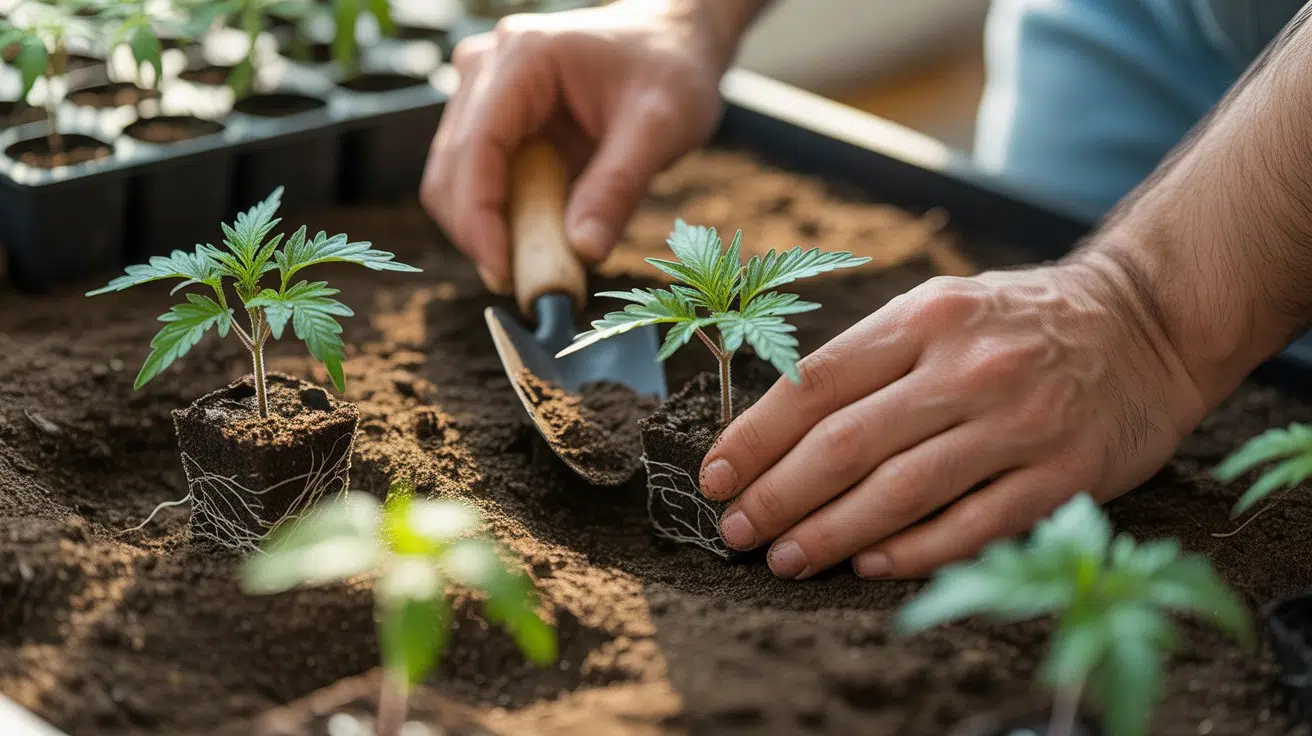
When to Start Eggplant Seeds Indoors
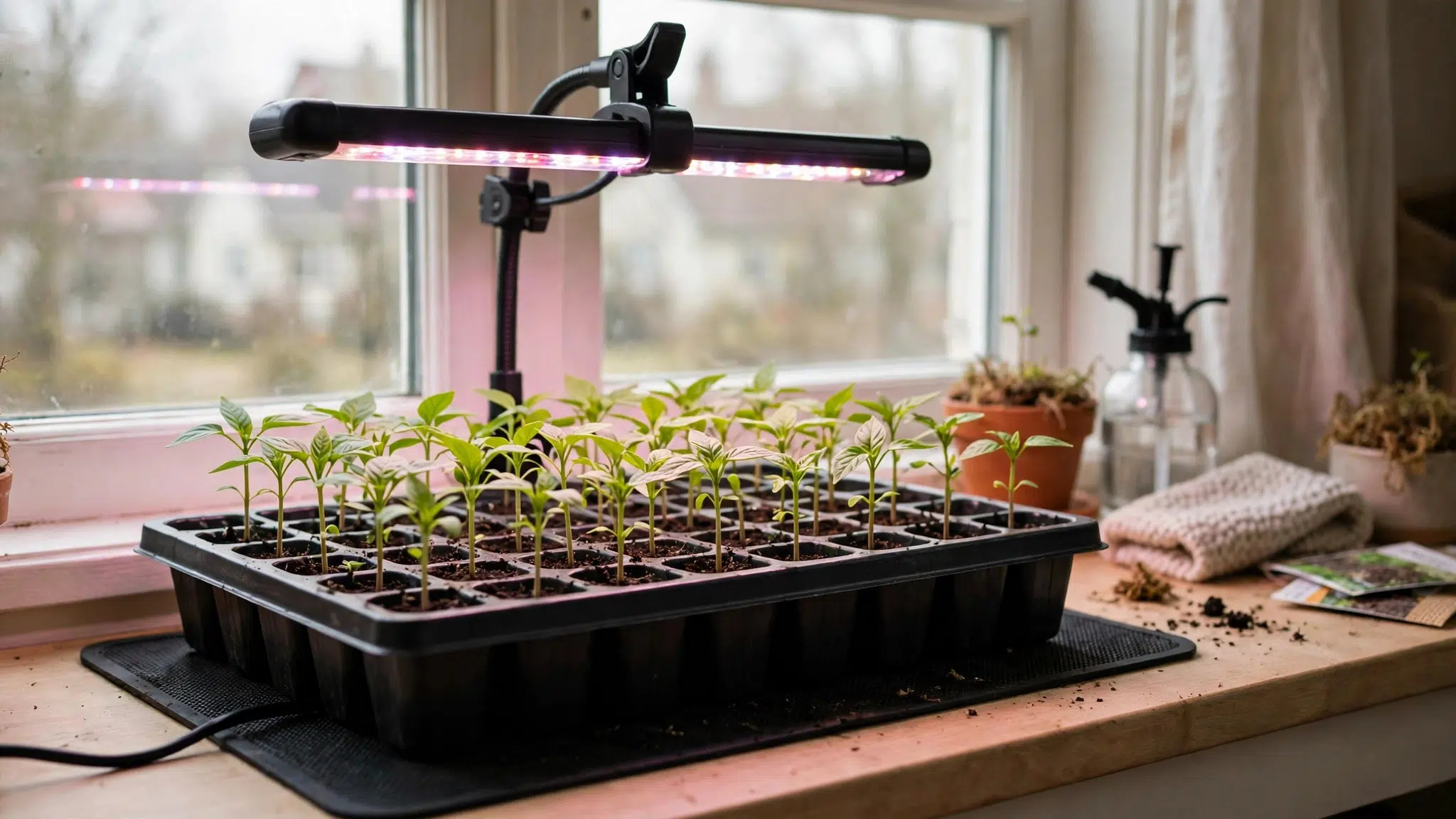
As an Amazon Associate I earn from qualifying purchases.
Last updated: November 2026
Eggplant is even slower and more heat-hungry than tomatoes or peppers: sow too late and the plants are still small when summer ends. The rule in this guide is eight weeks before your last frost, in warm soil, under bright light — get that right and the rest falls into place.
Quick Picks
Top pick — VIVOSUN Heat Mat with Thermostat: best for holding soil warm for slow eggplant germination. Check price on Amazon
Runner-up — Hanaoyo 96-Cell Seed Starter Kit: best for starting a full tray of eggplant seedlings at once. Check price on Amazon
Budget pick — Barrina T5 Grow Lights: best for keeping slow-growing eggplant seedlings stocky under bright light, 2–4 in above the leaves. Check price on Amazon
When to start eggplant seeds indoors is about 8 weeks before your last spring frost, so most gardeners sow in late February through March and move the plants outside after nighttime lows stay above 50°F. Eggplant needs warm weather and will not thrive in a cool season, so the indoor head start matters more than it does for tomatoes or peppers.
When to Start Eggplant Seeds Indoors by Zone
The eight-week rule is the same everywhere, but the date on the calendar changes with your last frost. Find your average last frost, count back eight weeks, and that is your sowing date. The table below does the counting for the most common zones.
| Zone | Typical last frost | Start seeds indoors | Transplant outdoors |
|---|---|---|---|
| 3 | Mid to late May | Late March to early April | Early to mid-June |
| 4 | Early to mid-May | Mid to late March | Late May to early June |
| 5 | Mid-April to early May | Mid to late February | Mid to late May |
| 6 | Early to mid-April | Early to mid-February | Early to mid-May |
| 7 | Late March to early April | Late January to early February | Late April to early May |
| 8 | Early to mid-March | Mid to late January | Mid to late April |
| 9 | Late February or earlier | December to early January | March to early April |
Work it out for your own town if the table does not match. Find your average last frost, subtract eight weeks, and write the date on the seed packet so you do not forget it next year.
Why Eggplant Needs Such a Long Head Start
Eggplant is a warm-season vegetable and a relative of peppers, potatoes, and tomatoes. It grows slowly at first, and a plant started too late may still be small when summer heat arrives, which means fewer fruit and a shorter harvest. The University of Minnesota Extension puts it plainly: eggplant needs warm weather and will not thrive during a cool season, so starting seed indoors about eight weeks before planting out is the way to give it enough time.
Warm soil is the other half of the story. Eggplant seed germinates best in warm soil, and it can take a week or two to sprout even then, much longer in a cool mix. A heat mat under the tray, used with a thermostat, keeps the soil in the right range. For the exact numbers by crop, see the seed germination temperature chart.
If your season is short, choose a short-season variety. The University of Minnesota Extension notes that there are varieties available that thrive in Minnesota’s short summer season, so look for compact or early types on the seed packet and give them the same eight-week start.
How to Start Eggplant Seeds Indoors, Step by Step
Follow these seven steps, and most of the work is done in the first hour.
- Count back eight weeks. Find your average last frost date and count back eight weeks. That is your sowing date.
- Fill trays with sterile seed-starting mix. Moisten the mix with warm water before you fill the cells, so it is damp but not dripping.
- Sow two seeds per cell, 1/4 inch deep. Cover lightly, mist the surface, and label the tray with the variety and the date.
- Add bottom heat. Set the tray on a heat mat with a thermostat, and keep the soil warm until the seeds sprout.
- Give strong light. As soon as seedlings appear, move the tray under a grow light kept 2 to 4 inches above the leaves, for 12 to 16 hours a day.
- Thin to one plant per cell. Cut the weaker seedling at soil level instead of pulling it, so the roots of the one you keep are not disturbed.
- Pot on when roots fill the cell. Move each seedling into a 3- to 4-inch pot of fresh mix, and keep it warm and well lit until transplant time.
For the general indoor routine, including mix, containers, and watering, see starting seeds indoors.
Eggplant Seed Starting Mistakes to Avoid
Most eggplant failures come from the same few errors. The table below shows what goes wrong and how to fix it.
| Mistake | What happens | Fix |
|---|---|---|
| Starting too late | Small plants, few fruit, short harvest | Sow 8 weeks before last frost |
| Cool soil | Slow or no germination | Use a heat mat with a thermostat |
| Weak light | Tall, pale, floppy stems | Grow light 2 to 4 inches above leaves |
| Overwatering | Damping off, seedlings fall over | Water from below, improve air flow |
| Moving out too early | Growth stops, leaves yellow | Wait for nights above 50°F |
Eggplant is in the same family as peppers, so the timing is close to when to start pepper seeds indoors, but eggplant is slower, so give it the full eight weeks and do not rush it outside.
Transplanting Eggplant Outdoors
Move eggplant outside only after nighttime lows stay above 50°F, and after a week of hardening off. Set the plants out for a few hours in sheltered shade, then bring them in, and lengthen the time outdoors each day. The University of Minnesota Extension also recommends installing plant supports at planting time and using mulch to heat the soil and reduce root damage.
Black plastic mulch helps too: the University of Minnesota Extension notes that eggplants benefit from black plastic mulch because it helps to heat the soil. Lay it a week or two before transplanting so the soil is already warm when the plants go in.
Give each plant plenty of space in fertile, well-drained soil with a pH between 5.5 and 7.5. Water deeply after planting, and keep the soil evenly moist while the plants settle in. Fruit is ready when it has reached mature size and the skin is glossy; clip it off with sharp shears rather than pulling it.
Frequently Asked Questions
When to start eggplant seeds indoors in Zone 6?
In Zone 6, start eggplant seeds indoors in early to mid-February, about eight weeks before an early to mid-April last frost. Transplant outside in early to mid-May, once nighttime lows stay above 50°F.
How long do eggplant seeds take to germinate?
Eggplant seed can take a week or two to germinate in warm soil, and much longer in cool soil. Use a heat mat with a thermostat, and keep the mix damp but not wet.
Do eggplant seeds need light to germinate?
No. Eggplant seeds germinate in the dark, under the soil. Light matters after they sprout: give seedlings a grow light 2 to 4 inches above the leaves for 12 to 16 hours a day, or they will grow tall and weak.
Can I direct sow eggplant seeds outdoors?
Not in most climates. Eggplant needs a long, warm season, and seed sown outdoors in cool spring soil will germinate slowly, if at all. Starting seed indoors eight weeks early is the reliable way in Zones 3 to 7, and even in warm zones it gives you a head start.
Why are my eggplant seedlings tall and leggy?
Leggy seedlings almost always need more light. Lower the grow light to 2 to 4 inches above the leaves, give 12 to 16 hours of light a day, and add gentle air movement from a fan. Eggplant will not root along a buried stem the way tomatoes do, so fix the light instead.
Sources
- University of Minnesota Extension, Growing eggplant in home gardens
- University of Minnesota Extension, Starting seeds indoors
Researched Picks: What to Buy for Starting Eggplant Seeds Indoors
These are the supplies that match the timing in this guide: steady warmth for slow germination, enough cells for a full sowing, and enough light to keep seedlings stocky until the nights stay above 50°F.
1. VIVOSUN Heat Mat with Thermostat — Best Overall
A flat mat that sits under a standard seed tray and warms the mix from below, with a thermostat probe that sits in the soil and switches the mat off once the set temperature is reached. Eggplant germinates slowly in cool soil, and the thermostat is what holds the warmth it needs in a cool room instead of guessing from the air temperature.
Key specs: 10 × 20.75 in mat, sized for a standard 1020 tray; digital thermostat with a soil probe; designed to sit under seed trays during germination.
| ✓ Pros | ✗ Cons |
|---|---|
|
|
Best for: growers whose sowing room stays cool, and anyone sowing eggplant early in the season. Who should skip: anyone whose sowing area already stays warm and steady.
2. Hanaoyo 96-Cell Seed Starter Kit — Best for Large Batches
A set of cell trays with clear humidity domes and drainage trays, giving each eggplant seed its own cell so roots are not disturbed at potting on. It suits the sowing method in this guide — two seeds per cell, thinned to the strongest — and it keeps a whole sowing in one manageable tray.
Key specs: 96 cells in total; clear domes to hold humidity during germination; base trays to catch water and let trays be moved as one unit.
| ✓ Pros | ✗ Cons |
|---|---|
|
|
Best for: growers sowing several eggplant varieties at once. Who should skip: anyone who only needs a dozen plants — a smaller kit will do.
3. Barrina T5 Grow Lights — Best for Strong, Stocky Seedlings
Linkable full-spectrum LED tubes that hang 2–4 in above the tray and give seedlings 12–16 hours of bright light a day. They are the simplest fix for slow-growing eggplant seedlings stretching toward a window and going leggy over the long indoor period.
Key specs: T5 LED tubes, full spectrum; linkable design, so several tubes can run from one outlet; made to hang above seed trays on a shelf or rack.
| ✓ Pros | ✗ Cons |
|---|---|
|
|
Best for: windowsill growers and anyone whose eggplant seedlings have gone leggy before. Who should skip: growers with a bright greenhouse or a sunny, unshaded growing area.
How We Chose
We chose supplies that match the three things this guide says eggplant needs most: warm soil, a fine mix in individual cells, and bright light close to the leaves. We compared manufacturer specifications, tray and mat sizes, thermostat control, and how each product fits a normal indoor sowing setup, and we left out anything that depended on a price, a star rating, or a claim we could not check. We did not test these products ourselves; the picks are based on published specifications and on how well each one fits the job described in this post.
Final Verdict
If you buy one thing before sowing, make it the VIVOSUN Heat Mat with Thermostat. Eggplant only germinates well when the soil stays warm, and the thermostat is the simplest way to hold that warmth in a cool house. Add the Hanaoyo trays if you are sowing in bulk, and the Barrina lights if your seedlings have ever gone leggy.