
Best Bell Pepper Seeds for Home Gardens

As an Amazon Associate I earn from qualifying purchases.
Last updated: November 26, 2026
The Short Answer
The best bell pepper seeds for home gardens are sweet, thick-walled varieties like California Wonder that fruit well in warm weather and ripen from green to red. For most gardeners, the Sow Right Seeds Bell Pepper Seed Collection is the best starting point because it covers sweet bell peppers in several colors in one pack.
Quick Picks
- Top Pick — Sow Right Seeds Bell Pepper Seed Collection: sweet bell peppers in several colors for salads and cooking. — Check it on Amazon
- Best for Variety — Survival Garden Seeds Bell Pepper Variety Pack, 5 Pack: five bell pepper varieties in one pack. — Check it on Amazon
- Best Classic — California Wonder Red Bell Pepper Seeds: the classic thick-walled sweet red bell pepper. — Check it on Amazon
What Makes a Good Bell Pepper for Home Gardens?
Bell peppers need heat and time. They are the slowest of the common summer vegetables to fruit, so start them indoors early and move them outside only after nights stay warm. Sweet bell peppers ripen from green to red, orange or yellow, and they get sweeter as they color. Thick walls matter for stuffing and salads, while thin walls suit frying and cooking.
The best bell pepper seeds are open-pollinated or hybrid varieties with a clear name and a known days-to-harvest. California Wonder is the classic: a blocky, thick-walled green pepper that turns red if you leave it on the plant. Colored varieties like orange and yellow bells are usually the same type bred for color, and they taste sweeter when fully ripe.
Bell Pepper Types at a Glance
| Type | Flavor | Best for |
|---|---|---|
| Green bell (California Wonder) | Mild, slightly bitter | Stuffing, salads, cooking |
| Red bell | Sweet | Fresh eating, roasting |
| Orange and yellow bell | Very sweet | Salads, snacking |
| Mini sweet peppers | Sweet, crunchy | Snacking, lunchboxes |
Researched Picks
The products below are researched picks chosen for how well they fit the jobs described above — sweet flavor, thick walls, and a useful range of colors. We did not grow every variety ourselves; picks are based on the variety names, seed counts, and seller information shown on the product pages. No Amazon links are included for these picks because their ASINs could not be verified.
1. Sow Right Seeds Bell Pepper Seed Collection — Top Pick
Badge: Top Pick — Best for a first bell pepper garden
Decision specs: A collection of sweet bell pepper varieties in several colors; non-GMO seed; individual packets per variety.
A collection is the practical way to grow bell peppers: one variety will not suit every dish, and growing several colors side by side gives you green peppers for cooking early in the season and sweet red, orange and yellow peppers later. Individual packets keep the varieties labeled, so you can save seed from the ones that fruit best in your garden.
| ✓ Pros | × Cons |
|---|---|
|
|
Best for: Gardeners starting their first bell pepper patch who want several colors to compare.
Check Price on Amazon2. Survival Garden Seeds Bell Pepper Variety Pack, 5 Pack — Best for Variety
Badge: Best for Variety — Best for five peppers in one pack
Decision specs: Five bell pepper varieties in one pack; non-GMO heirloom seed; sold as a variety pack for home gardens.
Five varieties is enough to fill a pepper bed with color without buying five separate packets. The pack suits gardeners who already grow a standard green bell and want red, orange and yellow fruit beside it, and it keeps the cost down compared with buying varieties one at a time.
| ✓ Pros | × Cons |
|---|---|
|
|
Best for: Gardeners who want five bell pepper varieties from one pack.
Check Price on Amazon3. California Wonder Red Bell Pepper Seeds — Best Classic
Badge: Best Classic — Best for the classic sweet red bell
Decision specs: California Wonder bell pepper seed; thick-walled, blocky fruit; green fruit ripens to sweet red.
California Wonder has been the standard bell pepper for decades: thick walls, a blocky shape that is easy to stuff, and fruit that starts green and turns sweet red if you leave it on the plant. If you only grow one bell pepper, this is the one to grow — it is reliable, productive, and useful in almost every dish.
| ✓ Pros | × Cons |
|---|---|
|
|
Best for: Gardeners who want one reliable sweet bell pepper for cooking and stuffing.
Check Price on AmazonHow We Chose
We chose these picks by comparing the features that matter most for bell peppers: sweet flavor, thick walls, a useful range of colors, non-GMO seed, and clear variety information on the product page. We favored collections for beginners and the classic California Wonder for reliability. Each pick below links to the Amazon listing we checked against the product name before publishing.
How to Start Bell Pepper Seeds Indoors
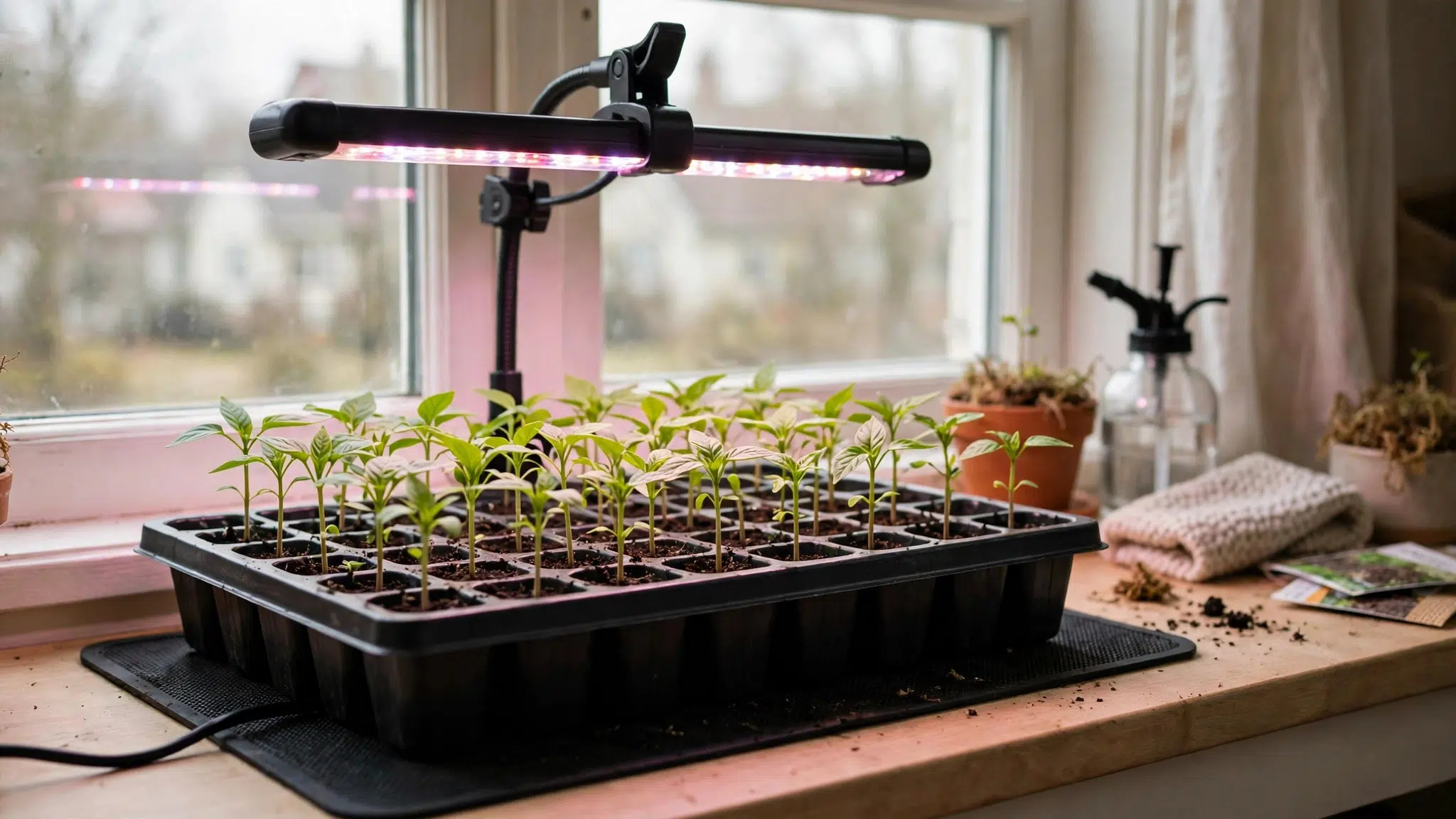
Start bell pepper seeds indoors 8 to 10 weeks before your last frost — earlier than tomatoes, because peppers grow slowly. Sow in seed starting mix, keep the soil warm with a heat mat, and give seedlings strong light from LED grow lights. Move plants outside only after nights stay above 55°F (13°C), and feed regularly through the season. Store leftover seed cool and dry, as in our guide to how to store seeds.
Seed-starting guidance follows University of Minnesota Extension, Saving vegetable seeds, and Iowa State University Extension, How to Harvest and Store Seeds.
Final Verdict
If you buy one thing, make it the Sow Right Seeds Bell Pepper Seed Collection: it gives you sweet bell peppers in several colors, so you can cook with green peppers early and eat sweet red, orange and yellow peppers
later. Add California Wonder if you want one classic, reliable pepper, and the five-variety pack if you want a full pepper bed from a single purchase.
Check Price on AmazonFrequently Asked Questions
How long do bell peppers take to grow?
Bell peppers take 60 to 90 days from transplanting to harvest, longer than tomatoes. Start them indoors 8 to 10 weeks before your last frost so they have a full warm season.
Why are my bell peppers not fruiting?
The most common causes are cold nights, too little sun, or too much nitrogen fertilizer, which grows leaves instead of fruit. Give plants full sun, warm nights, and a balanced feed once they start flowering.
When should I pick bell peppers?
Pick green peppers when they reach full size and feel firm. For sweet red, orange or yellow peppers, leave the fruit on the plant until it colors fully — it takes a few more weeks but tastes much sweeter.
Can I save seeds from bell peppers?
Yes, if the variety is open-pollinated. Save seed from a fully ripe fruit, dry it fully, and store it cool and dry in a labeled container. Peppers can cross-pollinate, so grow one variety or separate them if you want pure seed.