Best Seed Starting Supplies for Growing Cauliflower Seeds Indoors
As an Amazon Associate I earn from qualifying purchases.
Last updated: November 21, 2026
The Short Answer
The best seed starting supplies for growing cauliflower seeds indoors are a self-watering tray with a humidity dome, a heat mat with a thermostat to hold soil at 70–75°F for germination, and a strong full-spectrum grow light to keep seedlings compact. Sow 4 to 6 weeks before transplanting, move seedlings outside 2 to 4 weeks before your last frost, and give them strong light from day one — weak light is what makes cauliflower leggy and late.
Quick Picks
Top Pick — Hanaoyo Self-Watering Seed Starter Tray (96-cell, 2-pack): a self-watering tray with a humidity dome that keeps the mix evenly damp while cauliflower seeds germinate in 5 to 10 days. Check Price on Amazon
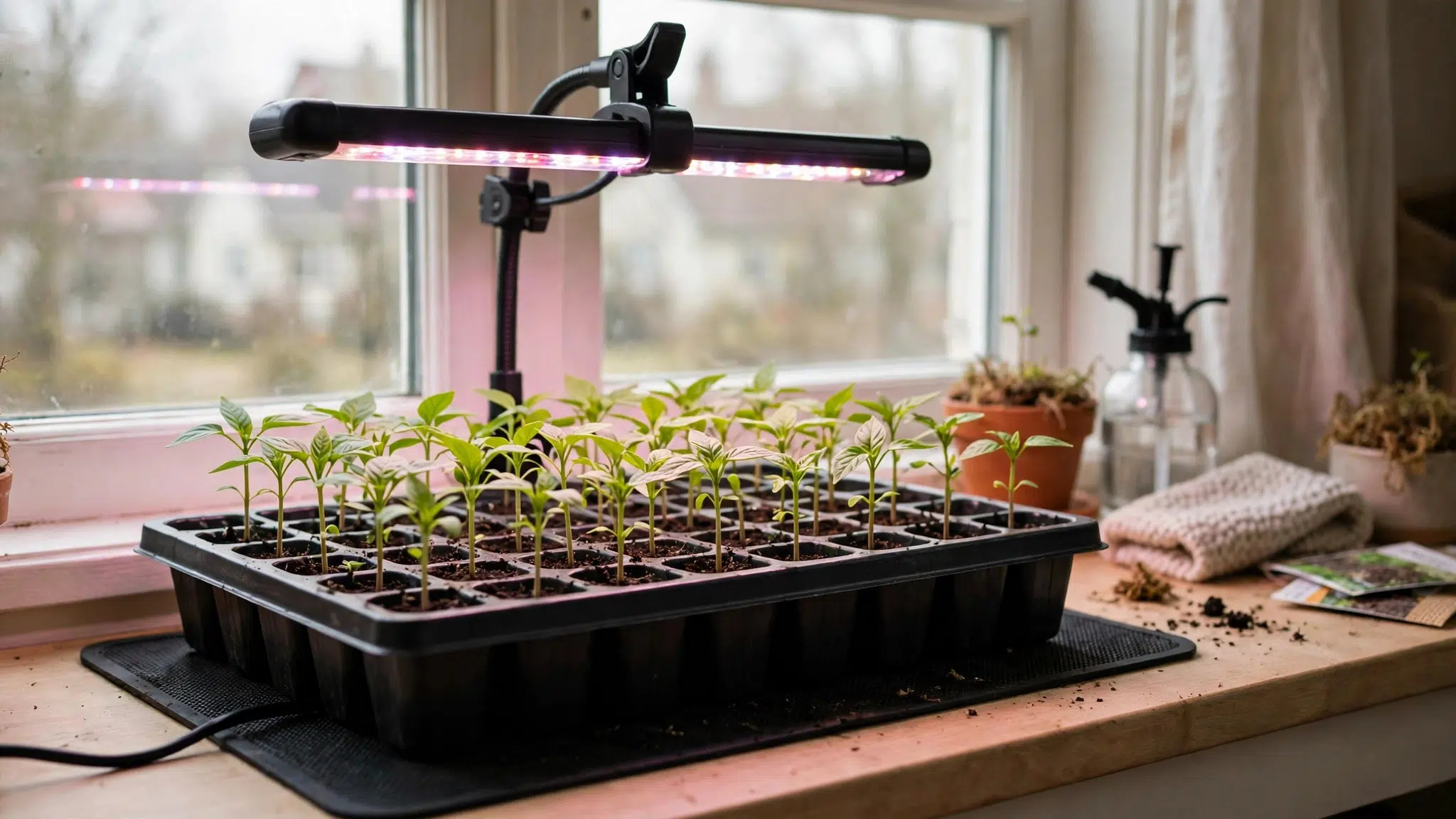
Warmth Pick — VIVOSUN Seedling Heat Mat with Digital Thermostat (10″ x 20.75″): holds soil at a steady 70–75°F so cauliflower seeds sprout in 5 to 10 days instead of 15 to 20. Check Price on Amazon
Light Pick — Spider Farmer SF1000 LED Grow Light: a full-spectrum board that keeps cauliflower seedlings compact instead of leggy. Check Price on Amazon
When to start cauliflower seeds indoors: sow them 4 to 6 weeks before your last spring frost, then move the seedlings outside 2 to 4 weeks before that frost date. In most of the United States that means sowing in February or March and transplanting in March or April. Use the zone table below to find your exact window, because a few weeks too early or too late can cost you the harvest.
Why Cauliflower Timing Is So Tight
Cauliflower is a cool-season crop with a narrow comfort zone. It grows best when daytime temperatures stay between 60 and 65°F (15 to 18°C). When young plants sit in warm soil and hot air, they often form small, loose heads — a problem growers call buttoning — instead of the large, dense curd you want. When a hard freeze hits unprotected seedlings, the plants can stall for weeks or die outright. That is why cauliflower is almost always started indoors in cold and temperate climates: starting seed inside gives you a 4- to 6-week head start while the weather is still too cold for direct sowing.
When to Start Cauliflower Seeds Indoors by Zone
Your last spring frost date is the anchor for every date in this guide. Find it for your town, then count back 4 to 6 weeks for sowing and 2 to 4 weeks for transplanting. The table below uses typical last-frost ranges for each USDA zone; your local date may fall a week or two either side, so treat these as starting points and check your local frost date before you sow.
| USDA Zone | Typical last spring frost | Start seeds indoors | Transplant outdoors |
|---|---|---|---|
| Zone 3 | May 15 – June 1 | April 1 – 15 | May 1 – 15 |
| Zone 4 | May 1 – 15 | March 15 – April 1 | April 15 – May 1 |
| Zone 5 | April 15 – May 1 | March 1 – 15 | April 1 – 15 |
| Zone 6 | April 1 – 15 | February 15 – March 1 | March 15 – April 1 |
| Zone 7 | March 15 – April 1 | February 1 – 15 | March 1 – 15 |
| Zone 8 | February 15 – March 15 | January 15 – February 1 | February 15 – March 1 |
| Zone 9 | January 15 – February 15 | December 15 – January 1 | January 15 – February 1 |
| Zone 10 | Rare or none | December | January |
In Zones 9 and 10, cauliflower is usually a winter crop. Sow in late fall or early winter so the heads mature in the cool months, and avoid trying to grow it through a hot summer. In Zones 3 to 5, a second sowing in midsummer can give you a fall crop: start seed indoors in June or July and transplant in July or August, so heads mature in the cool autumn air.
How to Start Cauliflower Seeds Indoors, Step by Step
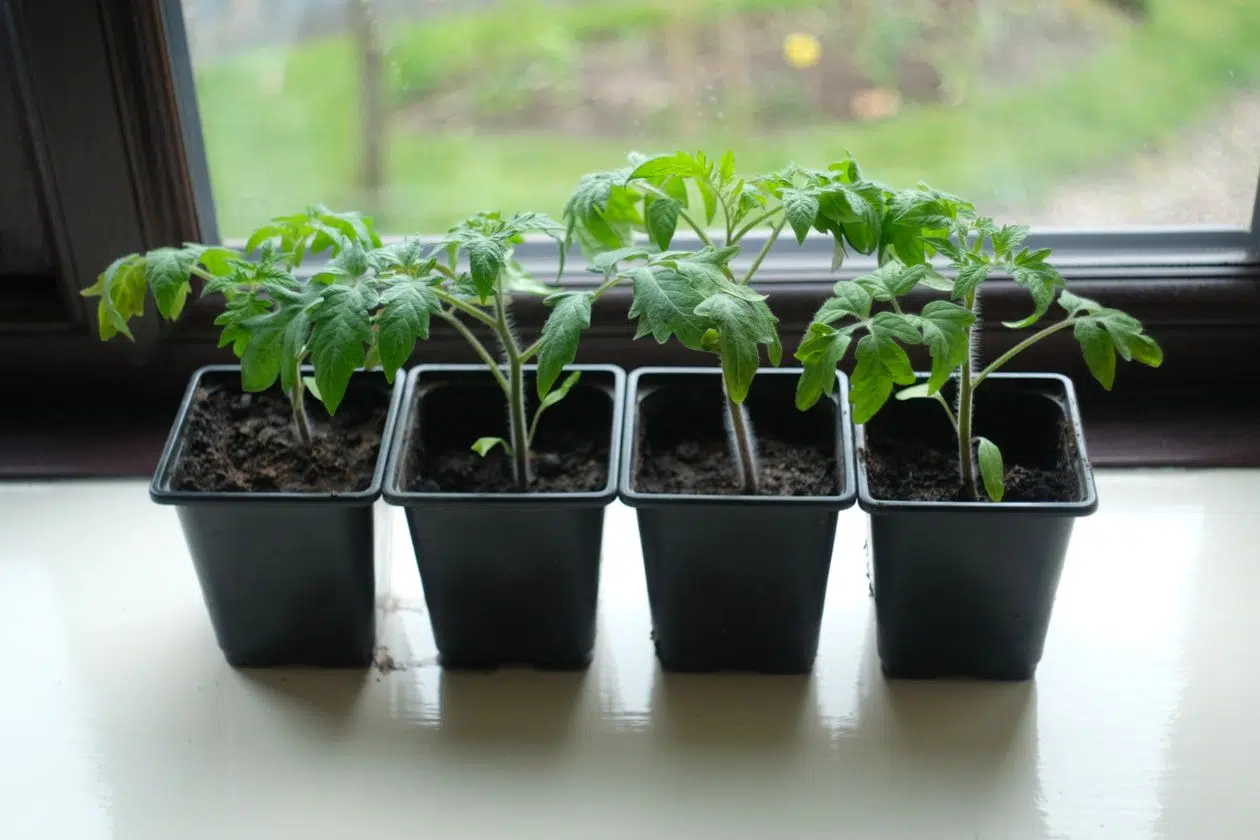
Good timing only helps if the seedlings are healthy. Follow these steps when starting seeds indoors for cauliflower, and you will have sturdy transplants instead of leggy ones.
1. Sow 4 to 6 weeks before your last frost. Use clean cell trays or small pots filled with fresh seed-starting mix. Sow two seeds per cell, 1/4 inch deep, and thin to the strongest seedling after they sprout.
2. Keep the soil warm for germination. Cauliflower seed germinates best when the soil is 70 to 75°F (21 to 24°C). A heat mat helps in a cool room. Seedlings should appear in 5 to 10 days.
3. Give strong light as soon as they sprout. Move trays under a grow light or to your brightest window the day the first seedlings appear. Keep the light 2 to 4 inches above the leaves and leave it on for 14 to 16 hours a day. Weak light is the most common cause of tall, floppy seedlings.
4. Keep the mix moist, not wet. Water from below when the surface starts to dry, and let excess water drain away. Cauliflower seedlings hate soggy soil, and wet, airless mix invites damping-off, the fungal disease that makes seedlings collapse at the soil line.
5. Feed lightly and cool the seedlings down. Once the first true leaves appear, feed once a week with a half-strength liquid fertilizer. A week before transplanting, move the plants to a cooler spot (50 to 60°F) if you can; cool-grown seedlings transplant better than soft, warm-grown ones.
Germination Temperature and Growing Conditions
Temperature decides how fast cauliflower seed germinates. The seed germination temperature chart on this site lists the same ranges for the most common vegetables, and cauliflower sits in the cool-season group.
| Soil temperature | Days to germinate | What to expect |
|---|---|---|
| 50°F (10°C) | 15 – 20 days | Slow and uneven; avoid sowing this cold |
| 60°F (15°C) | 8 – 12 days | Steady germination |
| 70 – 75°F (21 – 24°C) | 5 – 10 days | Best range for fast, even sprouting |
| 85°F (29°C) | 5 – 7 days | Fast, but seedlings grow soft in the heat |
After germination, cauliflower grows best at 60 to 65°F during the day and a little cooler at night. If your growing area is much warmer than 70°F, seedlings grow fast and weak. A cool room, a fan for gentle air movement, and strong light give you short, sturdy stems and dark green leaves.
Hardening Off and Transplanting
Begin hardening off 7 to 10 days before your transplant date. Set the seedlings outside in a sheltered, shady spot for a few hours on the first day, then increase the time and sun a little each day. Bring them in at night if frost is forecast.
Transplant on a cloudy day or in the evening, into soil enriched with compost. Space plants 18 to 24 inches apart in rows 24 to 36 inches apart, and water them in well. Cauliflower is a heavy feeder, so side-dress with compost or a balanced fertilizer when the plants are about a foot tall. Cover young transplants with row cover if a late frost threatens. The timing approach matches our when to start eggplant seeds indoors guide, except cauliflower goes out earlier because it tolerates cool weather.
Common Mistakes That Ruin Cauliflower Starts
- Starting too early. Seedlings sown more than 6 weeks before the last frost get leggy and root-bound indoors, and they rarely recover fully after transplanting.
- Starting too late. Plants that go out after the cool spring weather has passed will button in the summer heat and produce tiny heads.
- Weak light. A windowsill alone is rarely enough in late winter. Use a grow light close to the seedlings, and avoid overwatering, which causes damping-off and root rot.
Sources
Timing and temperature guidance follows University of Minnesota Extension, “Growing cauliflower in home gardens,” and Cornell Cooperative Extension vegetable growing guides.
Researched Picks
Hanaoyo Self-Watering Seed Starter Tray (96-cell, 2-pack)
Badge: Top Pick — best for steady moisture
The Hanaoyo kit keeps the mix evenly damp through the 5 to 10 days cauliflower seeds take to emerge at 70–75°F, thanks to a self-watering base with a capillary mat and a clear humidity dome. Two 96-cell trays give you room for succession sowings, and the dome holds humidity in while the seeds sprout. Transplant promptly once seedlings are established — cauliflower does not like sitting in a small cell.
| Spec | Detail |
|---|---|
| Cells | 96 per tray, 2 trays included |
| Watering | Self-watering base with capillary mat |
| Dome | Clear humidity dome included |
| Best for | Keeping seed-starting mix evenly damp |
| ✓ Pros | × Cons |
|---|---|
|
|
Best for: gardeners starting cauliflower indoors who want watering on autopilot for the first two weeks.
VIVOSUN Seedling Heat Mat with Digital Thermostat (10″ x 20.75″)
Badge: Warmth Pick — best for 70–75°F germination
Cauliflower germinates in 5 to 10 days at 70–75°F, but takes 15 to 20 days at 50°F — and a cold windowsill in February is often near 50°F at night. The VIVOSUN combo pairs a standard 10″ x 20.75″ mat with a digital thermostat, so you set 70°F and it holds it there. That size fits exactly under a standard 1020 tray, which is the size the Hanaoyo kit uses.
| Spec | Detail |
|---|---|
| Size | 10″ x 20.75″ (fits a standard 1020 tray) |
| Thermostat | Digital, set your target temperature |
| Temperature lift | Raises soil 10–20°F above room air |
| Best for | Cool rooms and slow-germinating seeds |
| ✓ Pros | × Cons |
|---|---|
|
|
Best for: anyone starting cauliflower in a cool room, basement, or north-facing window.
Spider Farmer SF1000 LED Grow Light
Badge: Light Pick — best for compact seedlings
Weak light is the most common reason cauliflower seedlings go leggy and then button — produce tiny heads — after transplanting. The SF1000 is a full-spectrum LED board with Samsung LM301B diodes, bright enough for a whole shelf of trays, and dimmable so you can start seedlings gently and raise the intensity as they grow. Hang it close and run it 14 to 16 hours a day.
| Spec | Detail |
|---|---|
| Light | Full-spectrum LED, Samsung LM301B diodes |
| Coverage | One board covers a standard shelf of trays |
| Best for | Seedlings that need strong light to stay compact |
| ✓ Pros | × Cons |
|---|---|
|
|
Best for: growers who want one strong light for a whole seed-starting shelf.
How We Chose
We researched these picks from manufacturer specifications and university extension guidance on starting cauliflower indoors, focusing on the specific problems cauliflower seeds present: germination that needs 70–75°F soil, a 4-to-6-week indoor window, and a need for strong light so seedlings stay compact instead of going leggy and buttoning later. We did not test these products ourselves, and we do not claim to have. We favoured reusable gear that works for other brassicas too. Prices and availability change, so check the current listing before buying.
Final Verdict
Cauliflower rewards a short, well-timed indoor start: steady moisture, warm soil, and strong light. Buy the Hanaoyo tray kit first if you only buy one thing — even moisture is what gets cauliflower seeds up in 5 to 10 days. Add the VIVOSUN heat mat with thermostat if your room runs cool, and the Spider Farmer light if your windows are shaded. Above all, transplant on time: a cauliflower left indoors too long buttons in the summer heat and never makes a proper head.
Frequently Asked Questions
When should I start cauliflower seeds indoors in Zone 6?
In Zone 6, start cauliflower seeds indoors between February 15 and March 1, about 4 to 6 weeks before a typical last frost of April 1 to 15. Transplant the seedlings outside between March 15 and April 1, once they have been hardened off.
Can I start cauliflower seeds indoors too early?
Yes. Seed sown more than 6 weeks before the last frost grows leggy and root-bound indoors, and the plants often button or fail to head after transplanting. Sow on schedule, and if the weather turns cold, hold the seedlings in a cool, bright place rather than moving them out early.
How long does it take cauliflower seeds to germinate?
Cauliflower seeds take 5 to 10 days to germinate in soil at 70 to 75°F. In cooler soil at 60°F, expect 8 to 12 days, and at 50°F germination can take 15 to 20 days and may be patchy. A heat mat keeps the soil in the ideal range.
Do cauliflower seedlings need light to germinate?
No. Cauliflower seeds germinate in the dark, under the soil. Light matters as soon as they sprout: give the seedlings a grow light 2 to 4 inches above the leaves for 14 to 16 hours a day, or they will stretch and grow weak.
Can I direct sow cauliflower seeds outside?
You can in mild climates with a long, cool season, but in most of the United States starting indoors is more reliable. Direct-sown seed germinates slowly in cold spring soil, and young plants face frost, pests, and drying winds. In Zones 8 to 10, direct sowing for a winter crop is a reasonable option.