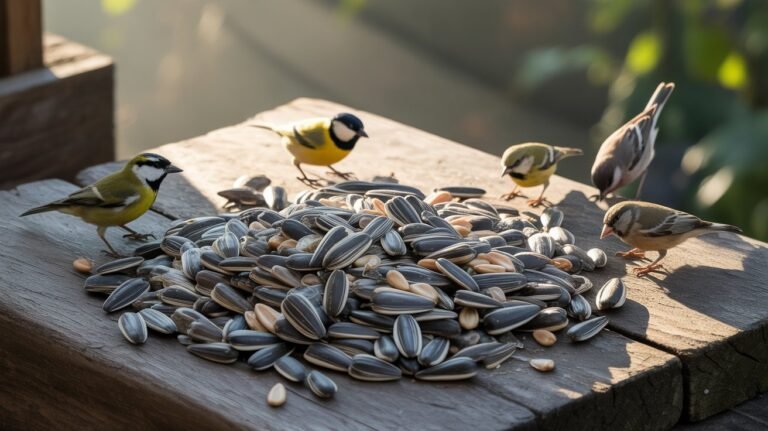
Do Seeds Expire? How Long Seeds Really Last (With a Chart)

Do seeds expire? Not on a fixed date, but they do lose viability over time. Most vegetable seeds stay usable for 2 to 5 years when stored cool, dry and dark: beans and squash last longer, while onions and parsnips fade in a year or two. Old seed is not dead until tested — test it before you throw it away.
What “expire” really means for seeds
A seed does not switch from good to dead on the date printed on the packet. That date is usually a sell-by or pack date, not an expiry date. What changes over time is the germination rate: a fresh packet might sprout 90 out of 100 seeds, while the same seed five years later might sprout 50 out of 100. The seed is still usable, but you need to sow more of it to get the same number of plants.
Germination also becomes slower and less even as seed ages. Old seed may take several extra days to sprout, and the seedlings that do emerge are often weaker. That is why a packet that still germinates can still disappoint: the plants are thin, slow and more likely to damp off. The University of California Agriculture and Natural Resources advises gardeners to expect a steady decline in germination with age and to test older seed rather than trusting the packet date alone.
How long seeds really last
Storage life varies a lot by crop, because seed size, seed coat and oil content all affect how seed ages. The figures below are typical ranges for seed stored cool, dry and dark; poor storage shortens every one of them. Clemson Cooperative Extension publishes similar viability ranges and notes that seed kept in a hot garage or a damp shed ages far faster than seed kept in a refrigerator.
| Seed type | Typical viability | Notes |
|---|---|---|
| Tomato | 4 to 6 years | One of the longest-lasting vegetables |
| Pepper | 2 to 4 years | Germination falls quickly after year 3 |
| Beans and peas | 3 to 5 years | Large seed, stores well if kept dry |
| Squash and cucumber | 4 to 6 years | Hard seed coat protects them |
| Lettuce | 2 to 3 years | Short-lived for a leafy crop |
| Carrot | 2 to 3 years | Small seed, sensitive to heat |
| Onion | 1 to 2 years | Among the shortest-lived seeds |
| Parsnip | 1 year | Buy fresh seed every year |
| Sweet corn | 2 years | High sugar content speeds aging |
| Broccoli and cabbage | 3 to 5 years | Brassicas store reasonably well |
What makes seed age faster
Three things age seed: heat, moisture and light. Seed stored at room temperature loses viability much faster than seed stored in a refrigerator, and seed stored in a hot garage or a garden shed in summer ages fastest of all. Moisture is the biggest enemy: seed that absorbs damp from the air can mold or start to germinate in the packet. Light matters less than heat and moisture, but a clear jar on a sunny shelf is still a poor home for seed.
Oregon State University Extension recommends storing seed in airtight containers in a cool, dry place, and adding a small silica gel packet to absorb moisture. A simple rule helps: the cooler and drier the storage, the longer the seed lasts. As a rough guide, every drop of about 10 degrees Fahrenheit in storage temperature can roughly double the life of dry seed.
How to store seed so it lasts
- Let seed dry fully before storing it: it should snap, not bend, when folded.
- Put seed in paper envelopes inside a sealed glass jar or a zip-top bag with the air pressed out.
- Add a silica gel packet or a spoonful of dry rice to absorb moisture.
- Label every packet with the variety and the year, and keep a simple list of what you have.
- Store the jar in a refrigerator or in the coolest, darkest cupboard you have.
How to test old seed before sowing
Do not throw old seed away without testing it. Test old seed with the 10-seed method: place 10 seeds on a damp paper towel, roll it up, keep it warm and moist, and count how many sprout in 7 to 10 days. If 8 or more sprout, sow as normal. If 5 to 7 sprout, sow twice as thickly. If fewer than 5 sprout, the batch is not worth the space. Keep in mind that how long seeds take to germinate also varies with temperature, so test old seed at room temperature, not in a cold room. If nothing sprouts at all, check the usual causes in our guide to why seeds are not germinating before deciding the seed is dead.
Frequently Asked Questions
Do seeds expire after the date on the packet?
No, not on that date. The date is usually a sell-by or pack date. Seed loses viability gradually, so test old seed and sow more thickly if the germination rate has fallen.
Can you use seeds that are 10 years old?
Sometimes. Tomato and squash seed stored cool and dry can still sprout after many years, but onion, parsnip and corn seed almost never do. Test a sample first and do not trust a 10-year-old packet for a whole crop.
Do seeds go bad if they get wet?
Yes, wet seed usually molds or starts to germinate and then dies when it dries out again. If a packet gets wet, dry the seed quickly in a single layer and test it before storing it again.
Should old seeds be kept in the freezer?
A freezer can extend seed life, but only if the seed is fully dry and sealed airtight first. Damp seed in a freezer is damaged by ice crystals, so a refrigerator is the safer choice for most gardeners.
How can you tell if seeds are still good?
The only reliable way is a germination test: sprout 10 seeds on a damp paper towel and count how many grow. Plump, dry seed that snaps when folded is more likely to be good than seed that is soft, moldy or cracked.
Do seeds expire faster if you store them badly?
Yes, and that is why people keep asking, do seeds expire on a fixed date or not? The printed date is only a rough guide. Two packets of the same seed can age very differently: one kept in a cool, dry drawer may still germinate well after five years, while one left in a warm, damp shed may fail in the second year.
So, do seeds expire because of heat, or because of age? Mostly heat and moisture. Ageing is fastest when seed is warm and damp, and slowest when it is cool and dry, so store opened packets in a labelled jar or sealed tub, with the variety and the year you bought it written on the lid. A bedroom cupboard usually beats a garage or a greenhouse in summer.
Add a small silica gel packet if you have one, and open the jar only when you need seed. Keep a one-line log as well: note the variety, the date, where the seed came from and what germinated, so you can see at a glance which packets are worth keeping. After two or three seasons, that record answers the question — do seeds expire quickly in your home? — better than any printed date.
Use the log when you order next year’s seed. Replace only the packets that tested poorly, or that spent a summer somewhere hot and damp, and keep the steady performers for another season. Still unsure? Ask, do seeds expire in your cupboard the same way they do in a shed? Test a few, and let the results, not the packet date, decide what you sow.