When to Start Onion Seeds Indoors
As an Amazon Associate I earn from qualifying purchases.
Last updated: November 2026
Onions need the longest indoor start of any common vegetable: 10–12 weeks before your last spring frost, sown in late January or February. Sow them late and the plants never grow enough leaves to form a bulb. Get the date right, give them 14–16 hours of bright light, and trim the tops as they grow.
Quick Picks
Top pick — VIVOSUN Heat Mat with Thermostat: best for holding soil at 65–75°F for onion germination in 7–10 days. Check price on Amazon
Runner-up — Hanaoyo 96-Cell Seed Starter Kit: best for starting a full tray of onion seedlings at once. Check price on Amazon
Budget pick — Barrina T5 Grow Lights: best for strong, stocky onion seedlings under 14–16 hours of bright light. Check price on Amazon
When to start onion seeds indoors is 10 to 12 weeks before your last spring frost, so most gardeners sow in late January through February and move pencil-thick seedlings outside four to six weeks later. In northern zones that means a February sowing for a May transplant; in warmer zones, sow in December or early January.
Onions grow slowly at first. Seed sown outdoors in cold spring soil may sit for weeks, and by the time the plant has enough leaves to feed a bulb, the longest days of summer are already passing. Minnesota Extension advises starting onion seed indoors 10 to 12 weeks before planting out, under 14 to 16 hours of light a day.
When to Start Onion Seeds Indoors by Zone
The table below answers when to start onion seeds indoors for each zone, using that 10-to-12-week rule and a typical last-frost date. Transplant around your last frost, once the soil can be worked. Check your own last frost first and count back from it.
| Zone | Typical last frost | Start seeds indoors |
|---|---|---|
| 3 | Mid to late May | Late February to early March |
| 4 | Early to mid-May | Mid to late February |
| 5 | Mid-April to early May | Late January to mid-February |
| 6 | Early to mid-April | Mid-January to early February |
| 7 | Late March to early April | Early to late January |
| 8 | Early to mid-March | December to early January |
| 9 | Late February or earlier | November to December |
Work it out for your own town if the table does not match. Find your average last frost, subtract 10 weeks for the earliest safe sowing date and 12 weeks for the latest, and sow inside that window. That count-back is the most reliable way to fix when to start onion seeds indoors for your garden, and seedlings held indoors a week too long are far easier to fix than seedlings set out into frozen soil.
Day Length Decides Which Onion to Grow
Onions form bulbs in response to day length, and the wrong type will stay green and never swell. Northern gardeners need long-day varieties, which start bulbing when days reach about 14 hours. Southern gardeners need short-day varieties, which bulb at 10 to 12 hours. Gardeners in the middle, roughly zones 6 and 7, usually do best with intermediate or day-neutral types.
| Your latitude | Onion type | Examples |
|---|---|---|
| North, above about 37° N | Long-day | Walla Walla, Yellow Sweet Spanish, Ailsa Craig |
| Middle, about 32–37° N | Intermediate / day-neutral | Candy, Red Candy Apple |
| South, below about 32° N | Short-day | Texas Sweet, Granex, Vidalia types |
Check the seed packet before you buy. A variety that bulbs beautifully in Texas will disappoint in Minnesota, and the reverse is just as true.
How to Start Onion Seeds Indoors, Step by Step
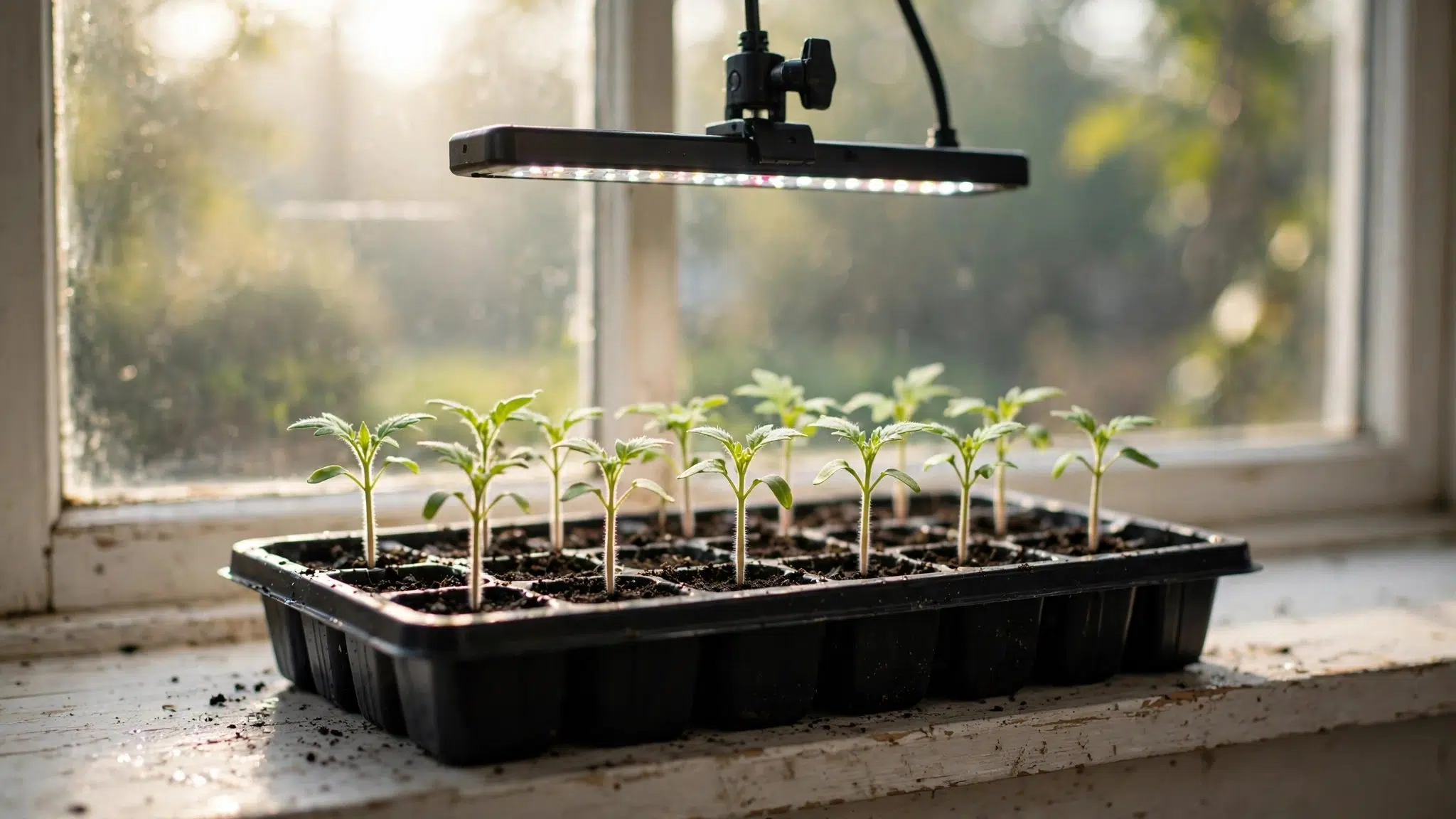
Knowing when to start onion seeds indoors is only half the job; the seedlings also need steady light and room to grow. Sow seed about a quarter inch deep in damp seed-starting mix, keep it at roughly 65 to 75°F until germination, which usually takes 7 to 10 days, and give the seedlings 14 to 16 hours of bright light a day.
When the tops reach about 5 inches tall, trim them back to about 4 inches with clean scissors. It feels ruthless, but it keeps the plants stocky instead of floppy. Thin or separate the seedlings so each plant has room, and feed lightly with diluted liquid fertilizer once true leaves appear.
Days to Transplant, and Hardening Off
Once you know when to start onion seeds indoors, the next question is how long the plants need before they can go out. Count on 70 to 84 days from sowing to transplant size, when the stems are about as thick as a pencil. Knowing when to start onion seeds indoors this way, by counting back from transplant day, keeps the math simple. Each leaf feeds one ring of the bulb later on, so more leaves mean bigger bulbs.
| Stage | Days from sowing |
|---|---|
| Germination | 7–10 |
| First true leaves | 14–21 |
| Trimming | 21–35 |
| Hardening off | 63–74 |
| Transplant | 70–84 |
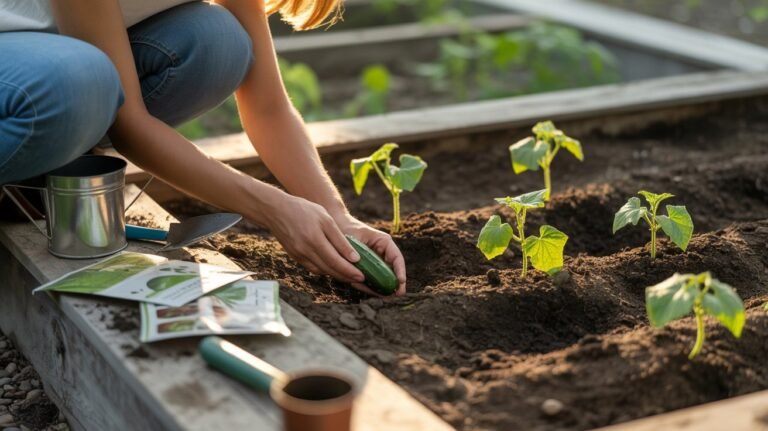
Harden the seedlings off over 7 to 10 days, setting them outside for a few hours in sheltered shade at first and lengthening the time each day. Onions tolerate a light frost, but plants raised under lights still need a gradual move outdoors. When you plant, trim the roots to about half an inch, set each seedling about 2 inches deep and 3 to 4 inches apart in rows 12 to 16 inches apart, and water well.
Onion Seed, Onion Sets, or Direct Sowing?
Sets, the small dry bulbs sold in bags, are the easiest way to grow onions. Seed started indoors wins on choice and on bulb size. The trade-off is time: seed needs ten to twelve weeks of indoor care, while a set goes straight into the ground.
| Method | Effort | Variety choice | Bulb size |
|---|---|---|---|
| Seed started indoors | High | Widest | Largest |
| Sets | Low | Limited | Medium |
| Direct sowing | Low | Good | Smaller in short seasons |
Direct sowing is a fair choice if your season is long and your spring soil warms early. In a short northern season, direct-sown onions often run out of time before they bulb, which is why knowing when to start onion seeds indoors pays off there. For the basics of germination and light, see our guide to how to germinate seeds, and for the full indoor routine, see starting seeds indoors.
Mistakes That Cost You Bulbs
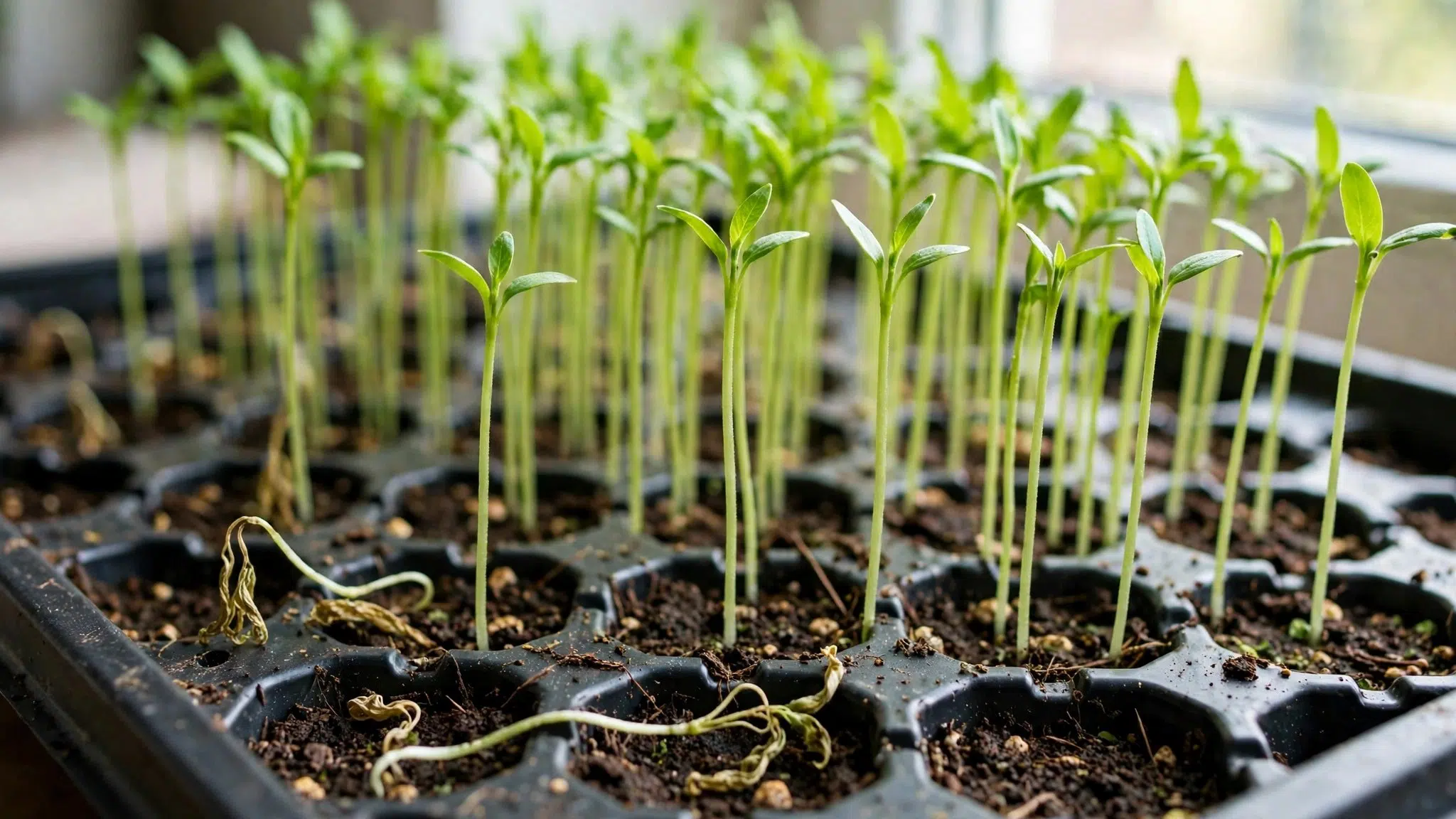
The most common error in deciding when to start onion seeds indoors is sowing too late. A tray started in April in a northern garden produces green onions, not bulbs, because the plants never grow enough leaves before day length triggers bulbing. Sowing too early is the second mistake: seedlings held indoors for 14 weeks get leggy and root-bound.
Frequently Asked Questions
When to start onion seeds indoors in Zone 5?
When to start onion seeds indoors in Zone 5 is late January to mid-February, about 10 to 12 weeks before a mid-April to early May last frost. Transplant in mid-April to early May, once the soil can be worked.
How long do onion seeds take to germinate indoors?
Onion seed usually germinates in 7 to 10 days at 65 to 75°F in damp seed-starting mix.
Can I start onion seeds indoors too early?
Yes. Seedlings started more than 12 weeks before transplanting tend to get tall, floppy, and root-bound. Trim the tops to about 4 inches and pot them on if they outgrow their cells.
Do onion seedlings need trimming?
Yes, trimming helps. Cut the tops back to about 4 inches when they reach 5 inches or so, and again before transplanting if they flop over. It keeps plants stocky and easier to handle.
What soil do onions need after transplanting?
Onions need fertile, well-drained soil with a pH of 6.0 to 7.0, in full sun. Add compost before planting and water steadily while bulbs swell.
Sources
University of Minnesota Extension, Growing onions in home gardens; University of Minnesota Extension, Starting seeds indoors; University of Minnesota Extension, Planting the vegetable garden.
Researched Picks: What to Buy for Starting Onion Seeds Indoors
These are the supplies that match the timing in this guide: gentle warmth for germination at 65–75°F, enough cells for a full sowing, and bright light to keep seedlings stocky over a long 10–12 week indoor period.
1. VIVOSUN Heat Mat with Thermostat — Best Overall
A flat mat that sits under a standard seed tray and warms the mix from below, with a thermostat probe that sits in the soil and switches the mat off once the set temperature is reached. Onion seed germinates in 7–10 days at 65–75°F, and the thermostat is what holds that window in a cold house in January or February.
Key specs: 10 × 20.75 in mat, sized for a standard 1020 tray; digital thermostat with a soil probe; designed to sit under seed trays during germination.
| ✓ Pros | ✗ Cons |
|---|---|
|
|
Best for: cold sowing rooms and January or February sowings. Who should skip: anyone whose sowing room already stays at 65–75°F.
2. Hanaoyo 96-Cell Seed Starter Kit — Best for Large Batches
A set of cell trays with clear humidity domes and drainage trays, giving each onion seed its own cell so roots are not disturbed at potting on. It suits the sowing method in this guide — sow thickly in a tray, then thin or transplant the strongest — and it keeps a whole sowing in one manageable tray over the long indoor period.
Key specs: 96 cells in total; clear domes to hold humidity during germination; base trays to catch water and let trays be moved as one unit.
| ✓ Pros | ✗ Cons |
|---|---|
|
|
Best for: growers sowing several onion varieties at once. Who should skip: anyone who only needs a dozen plants — a smaller kit will do.
3. Barrina T5 Grow Lights — Best for Strong, Stocky Seedlings
Linkable full-spectrum LED tubes that hang 2–4 in above the tray and give seedlings 14–16 hours of bright light a day. Onion seedlings grow slowly over 10–12 weeks indoors, and weak light over that long period is what produces pale, floppy tops — tubes hung close are the simplest fix.
Key specs: T5 LED tubes, full spectrum; linkable design, so several tubes can run from one outlet; made to hang above seed trays on a shelf or rack.
| ✓ Pros | ✗ Cons |
|---|---|
|
|
Best for: windowsill growers and anyone sowing onions in January or February. Who should skip: growers with a bright greenhouse or a sunny, unshaded growing area.
How We Chose
We chose supplies that match the three things this guide says onions need most: soil at 65–75°F for germination, a fine mix in individual cells, and bright light close to the leaves over a long indoor period. We compared manufacturer specifications, tray and mat sizes, thermostat control, and how each product fits a normal indoor sowing setup, and we left out anything that depended on a price, a star rating, or a claim we could not check. We did not test these products ourselves; the picks are based on published specifications and on how well each one fits the job described in this post.
Final Verdict
If you buy one thing before sowing, make it the VIVOSUN Heat Mat with Thermostat — set to 65–75°F for germination in 7–10 days, then switched off so the seedlings grow cool. Add the Hanaoyo trays if you are sowing in bulk, and the Barrina lights if your seedlings have ever gone pale and floppy over the long indoor period.