
Best Organic Vegetable Seeds for Home Gardens
As an Amazon Associate I earn from qualifying purchases.
Last updated: November 24, 2026
The Short Answer
The best organic vegetable seeds for home gardens are certified organic, open-pollinated varieties grown without synthetic pesticides or fertilizers, so you can grow food the way nature intended and save seed for next year. For most home gardens, the Organic Heirloom Garden Seeds Variety Pack is the best starting point because it covers the vegetables most families actually eat.
Quick Picks
- Top Pick — Organic Heirloom Garden Seeds Variety Pack: a broad organic collection for a first vegetable garden. Check it on Amazon
- Best for Winter — Premium Winter Vegetable Seeds Collection: cool-season vegetables for fall and winter harvests. Check it on Amazon
- Best for Tomatoes — Organic Tomato Seeds Variety Pack, 12 Individual Packs: twelve organic tomato varieties in one box. Check it on Amazon
What Does Organic Seed Mean?
Organic seed comes from plants grown under organic rules: no synthetic pesticides or fertilizers, and no genetically modified traits. That matters for two reasons. First, organic seed is grown the way you plan to grow it, so the plants are already suited to organic soil. Second, most organic vegetable seed is open-pollinated, so you can save seed from your best plants and grow them again next year.
Organic does not mean slow or weak. The best organic vegetable seeds include fast growers like radish and lettuce, steady producers like beans and squash, and long-season crops like tomatoes and peppers. The trick is to match the variety to your season: sow cool-season vegetables in spring and fall, and warm-season vegetables after the last frost.
Organic Vegetable Types at a Glance
| Type | Examples | When to sow |
|---|---|---|
| Leafy greens | Lettuce, spinach, kale | Spring and fall |
| Root vegetables | Carrot, beet, radish | Spring and fall |
| Fruiting vegetables | Tomato, pepper, squash | After last frost |
| Legumes | Beans, peas | Spring, after frost for beans |
Researched Picks
The products below are researched picks chosen for how well they fit the jobs described above — organic certification, useful variety, and value for a home garden. We did not grow every variety ourselves; picks are based on the variety lists, seed counts, and seller information shown on the product pages.
1. Organic Heirloom Garden Seeds Variety Pack — Top Pick
Badge: Top Pick — Best for a first organic vegetable garden
Decision specs: An organic heirloom vegetable seed variety pack; open-pollinated, non-GMO seed; multiple vegetable types in one pack.
A variety pack is the fastest way to start an organic garden. Instead of buying ten separate packets, you get the vegetables most families eat — leafy greens, roots, and fruiting types — in one purchase, and you can see which ones do best in your soil before you buy them again. Because the seed is open-pollinated, you can also save seed from your best plants.
| ✓ Pros | × Cons |
|---|---|
|
|
Best for: Gardeners starting their first organic vegetable garden who want a broad, useful range.
2. Premium Winter Vegetable Seeds Collection — Best for Winter
Badge: Best for Winter — Best for fall and winter harvests
Decision specs: A winter vegetable seed collection; cool-season vegetables including radish, peas and leafy greens; non-GMO seed.
Most gardens go quiet in winter, but cool-season vegetables keep producing long after summer crops finish. This collection is built for that job: radish and peas for quick harvests, leafy greens for cut-and-come-again picking, and roots that sweeten after a light frost. Sow it in late summer or fall for harvests through the cold months.
| ✓ Pros | × Cons |
|---|---|
|
|
Best for: Gardeners who want fresh vegetables in fall and winter, not just summer.
3. Organic Tomato Seeds Variety Pack, 12 Individual Packs — Best for Tomatoes
Badge: Best for Tomatoes — Best for tomato lovers
Decision specs: Twelve individual packs of organic tomato seed, including Brandywine; heirloom tomato seeds assortment; non-GMO.
Tomatoes are the vegetable most gardeners grow first, and twelve varieties in one box lets you compare flavor, size and yield side by side. Brandywine and other heirlooms are in the mix for fresh eating, alongside types better suited to sauce. Individual packs keep each variety labeled, so you can save seed from the ones you love and skip the rest next year.
| ✓ Pros | × Cons |
|---|---|
|
|
Best for: Gardeners who grow tomatoes as their main crop and want to compare many varieties.
How We Chose
We chose these picks by comparing the features that matter most for organic vegetable seeds: organic and non-GMO seed, open-pollinated varieties you can save seed from, a useful range of types for a home garden, and clear variety information on the product page. We favored collections that cover the vegetables most families eat and single-crop packs with a clear job, such as winter growing or tomatoes.
How to Start Organic Vegetable Seeds Indoors
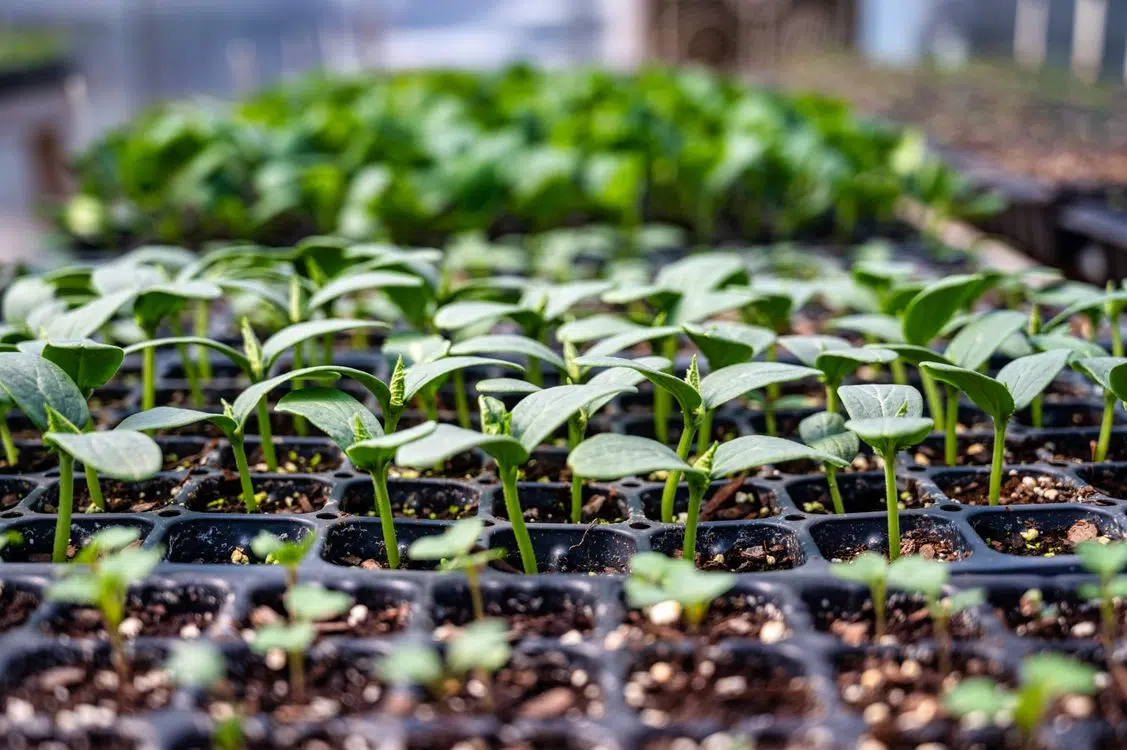
Start organic vegetable seeds indoors in seed starting mix, keep the soil evenly moist, and give seedlings strong light from LED grow lights. Warm-season vegetables like tomatoes and peppers also benefit from a heat mat until they sprout. Harden plants off before moving them outside, and feed the soil with compost rather than synthetic fertilizer to keep the garden organic. Store leftover seed cool and dry, as in our guide to how to store seeds.
Seed-starting guidance follows University of Minnesota Extension, Saving vegetable seeds, and Iowa State University Extension, How to Harvest and Store Seeds.
Final Verdict
If you buy one thing, make it the Organic Heirloom Garden Seeds Variety Pack: it covers the vegetables most families eat, the seed is organic and open-pollinated, and you can save seed from your best plants. Add the winter collection if you want harvests past summer, and the tomato pack if tomatoes are your main crop.
Check Price on AmazonFrequently Asked Questions
Are organic vegetable seeds worth it?
Yes, if you want to grow food without synthetic chemicals and save seed for next year. Organic seed is grown under organic rules and is usually open-pollinated, so it fits an organic garden better than treated hybrid seed.
Can I save seeds from organic vegetables?
Yes, if the variety is open-pollinated. Save seed from your healthiest plants, dry it fully, and store it cool and dry in a labeled container. Hybrid seed does not grow true, so check the packet first.
When should I start organic vegetable seeds indoors?
Start warm-season vegetables like tomatoes and peppers indoors 6 to 8 weeks before your last frost. Cool-season vegetables like lettuce and peas can be sown directly outside in early spring or fall.
Do organic seeds need different soil?
No special soil is needed, but organic seed does best in living soil: use seed starting mix for sowing, then compost-rich garden soil for growing on, and avoid synthetic fertilizers.