Best Seed Starting Supplies for Growing Beet Seeds Indoors

As an Amazon Associate I earn from qualifying purchases.
Last updated: November 21, 2026
The Short Answer
The best seed starting supplies for growing beet seeds indoors are deep cells or soil blocks at least 3 inches deep, a fine, stone-free seed-starting mix, and a grow light hung 2 to 3 inches above the leaves for 14 to 16 hours a day. Sow 4 to 6 weeks before transplanting, keep the soil at 55–75°F, and move seedlings outside about 2 weeks before your average last spring frost — before the taproot outgrows its cell.
Quick Picks
Top Pick — Hanaoyo Self-Watering Seed Starter Tray (96-cell, 2-pack): a self-watering tray with a humidity dome that keeps the mix evenly damp while beet seeds emerge in 7 to 14 days. Check Price on Amazon
Mix Pick — Espoma Organic Seed Starter Mix (8 qt, 2-pack): fine, sterile mix that suits the deep, stone-free cells beet taproots need. Check Price on Amazon
Light Pick — Barrina T5 2ft Grow Lights (8-pack): bright, linkable LED bars that hang 2 to 3 inches above seedlings and stop them going leggy. Check Price on Amazon
When to start beet seeds indoors? Start beet seeds indoors 4 to 6 weeks before you plan to move them outside, and move them outside about 2 weeks before your average last spring frost. That usually means sowing 6 to 8 weeks before last frost in cold zones, and 4 to 5 weeks before it in mild zones.
Beets are a cool-season root crop, so they need no long indoor head start. The window is short on purpose: seedlings grow fast and their taproot soon fills a small cell, and a root left inside too long curls into forked beets. That is why when to start beet seeds indoors matters — a week too early does more harm than a week too late.
When to Start Beet Seeds Indoors by Zone
When to start beet seeds indoors depends on your average last spring frost date, so find that date first and count back. The table assumes seedlings move outside about two weeks before last frost.
| Zone | Average last spring frost | Sow indoors |
|---|---|---|
| Zone 3 | Mid-May to early June | Late March to early April |
| Zone 4 | Early to mid-May | Mid- to late March |
| Zone 5 | Mid-April to early May | Early to mid-March |
| Zone 6 | Early to mid-April | Late February to early March |
| Zone 7 | Mid-March to early April | Mid- to late February |
| Zone 8 | Mid-February to mid-March | Late January to early February |
| Zones 9–10 | Little or no frost | December to January, or direct sow |
In Zones 9–10 indoor starting is rarely needed; in Zones 3–5 it helps most, where spring soil stays cold and wet. Soil temperature matters too. Utah State University Extension notes beet seed germinates best at 55–75°F and needs 7–14 days to emerge; Clemson Extension agrees, with best growth at 60–65°F. Above 80°F germination drops off, so aim for around 60–70°F. For fall, sow indoors 6 weeks before transplanting, setting plants out 6–8 weeks before first frost.
How to Start Beet Seeds Indoors
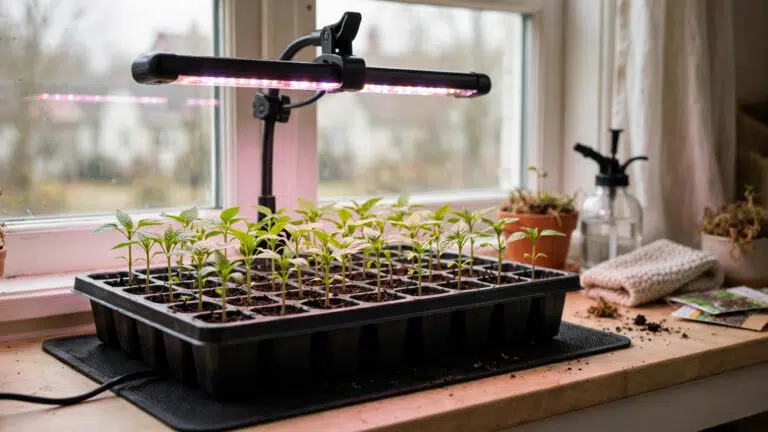
Once you know when to start beet seeds indoors, use deep cells or soil blocks, at least 3 inches deep, so the taproot grows straight down. Fill them with fine, stone-free seed-starting mix and water it before sowing. Each beet “seed” is a dried fruit holding several true seeds, so one pellet gives a cluster of seedlings. Soak clusters 8 to 12 hours in lukewarm water, then sow one or two per cell, ½ inch deep. Timing is only half the job: when to start beet seeds indoors also decides how big seedlings get before they move. Keep the mix moist and give seedlings 14 to 16 hours of bright light a day; a windowsill alone is rarely enough, so hang a grow light 2 to 3 inches above the leaves. Thin each cell to one seedling, snipping extras at soil level. See our guides on how long seeds take to germinate and starting seeds indoors for more detail.

When to Start Beet Seeds Indoors vs Direct Sowing
Beets can be transplanted, but they would rather not be: the University of Minnesota Extension lists them among crops that do not tolerate transplanting. Deciding when to start beet seeds indoors or sow outside comes down to your season and your soil.
| Factor | Start indoors | Direct sow |
|---|---|---|
| Best for | Short seasons, cold wet spring soil, earliest crop | Most gardens, large plantings, succession sowing |
| Sow timing | 4–6 weeks before transplanting | 2–4 weeks before last frost, when soil reaches 40°F |
| Germination control | Easier: steady moisture and temperature | Depends on spring weather; cold soil slows emergence |
| Root risk | Higher: root curls or forks if seedlings stay inside too long | Lower: taproot grows undisturbed from the start |
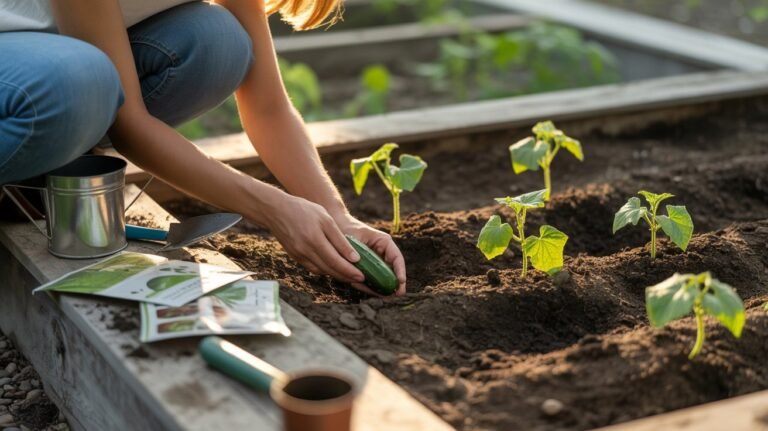
Direct sowing wins on simplicity and root shape. Sow ½ inch deep, 1 inch apart in rows 12 to 18 inches apart, then thin to 3 inches apart, as Utah State University Extension recommends. Indoor starting wins when the season is short or spring soil is cold and sodden, and when seed is scarce. Keep a direct-sown row as a backup — if transplants sulk, the direct row still carries the crop.
Transplanting Beet Seedlings Without Damaging the Roots
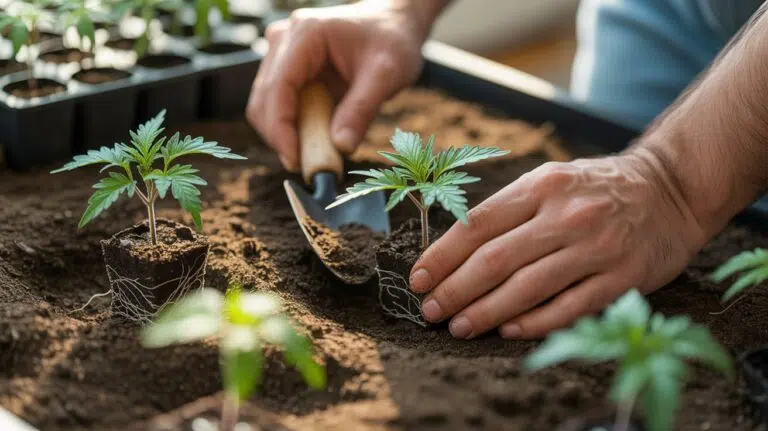
Once you know when to start beet seeds indoors, harden seedlings off for 7 to 10 days, starting with a few hours in sheltered shade and increasing sun and wind gradually. Transplant at two or three sets of true leaves, about 2 to 3 inches tall and 3 to 4 weeks after sowing. Water the tray an hour before, push each seedling out from below holding it by a leaf, and plant at the same depth, root pointing straight down. A curled taproot means past best transplant age. Space transplants 3 inches apart in rows 12 to 18 inches apart, in loose, stone-free soil in full sun. Utah State University Extension notes beets grow best in deep, well-drained soil rich in organic matter; hard clay or stones cause most misshapen roots. See also our guide on when to start seeds indoors by zone.
Common Mistakes That Spoil Beet Seedlings
The most common mistake around when to start beet seeds indoors is sowing too early: a beet sown 8 weeks before transplanting is root-bound and likely to fork, not “extra ready.” Sow a second tray two weeks later instead. Skipping thinning is the second mistake — unthinned clusters stay small. Overwatering causes damping off, and drying out once roots swell causes cracking. Keep moisture steady until harvest, about 50 to 70 days after planting, when roots reach 1½ to 2 inches across.
Researched Picks
Hanaoyo Self-Watering Seed Starter Tray (96-cell, 2-pack)
Badge: Top Pick — best for steady moisture
The Hanaoyo kit keeps the mix evenly damp through the 7 to 14 days beet seeds take to emerge, thanks to a self-watering base with a capillary mat and a clear humidity dome. Two 96-cell trays give you room for succession sowings, and the dome holds humidity in while the seeds sprout. Because beet taproots curl if they stay in a small cell too long, transplant promptly once seedlings are established — this tray is for the early start, not for growing beets to full size indoors.
| Spec | Detail |
|---|---|
| Cells | 96 per tray, 2 trays included |
| Watering | Self-watering base with capillary mat |
| Dome | Clear humidity dome included |
| Best for | Keeping seed-starting mix evenly damp |
| ✓ Pros | × Cons |
|---|---|
|
|
Best for: gardeners starting beets indoors who want watering on autopilot for the first two weeks.
Espoma Organic Seed Starter Mix (8 qt, 2-pack)
Badge: Mix Pick — best fine, stone-free mix
Beet taproots need a fine, stone-free mix so they grow straight down instead of forking around lumps. Espoma’s seed starter is fine-textured and sterile, which suits deep cells and soil blocks, and it includes Myco-tone mycorrhizae to support root development. Two 8-quart bags cover several trays of sowings.
| Spec | Detail |
|---|---|
| Size | 8 qt per bag, 2 bags |
| Texture | Fine, sterile, drains well |
| Added | Myco-tone mycorrhizae |
| Best for | Deep cells and soil blocks for root crops |
| ✓ Pros | × Cons |
|---|---|
|
|
Best for: anyone sowing beets in deep cells who wants a smooth, stone-free start for the taproot.
Barrina T5 2ft Grow Lights (8-pack)
Badge: Light Pick — best for stocky seedlings
Beet seedlings need 14 to 16 hours of bright light a day, and a windowsill alone is rarely enough. The Barrina T5 bars are full-spectrum LEDs that link together, so you can hang two bars over one tray, 2 to 3 inches above the leaves, and raise them as the plants grow. Eight bars cover several trays at once.
| Spec | Detail |
|---|---|
| Length | 2 ft per bar, 8 bars included |
| Light | Full-spectrum LED, linkable |
| Best for | Windowsills and shelves with weak natural light |
| ✓ Pros | × Cons |
|---|---|
|
|
Best for: growers with limited window light who want strong, stocky beet seedlings.
How We Chose
We researched these picks from manufacturer specifications and university extension guidance on starting beets indoors, focusing on the specific problems beet seeds present: a taproot that needs depth and a stone-free mix, germination at 55–75°F over 7 to 14 days, and a need for 14 to 16 hours of bright light. We did not test these products ourselves, and we do not claim to have. We favoured reusable gear that works for other seeds too. Prices and availability change, so check the current listing before buying.
Final Verdict
Beets reward a short, well-timed indoor start: deep cells, a fine mix, steady moisture, and strong light. Buy the Hanaoyo tray kit first if you only buy one thing — even moisture is what gets beet seeds up in 7 to 14 days. Add the Espoma mix for a smooth taproot start, and the Barrina lights if your windows are shaded. Above all, transplant promptly: a beet left indoors too long grows a forked root no supply can fix.
Frequently Asked Questions
Can you start beet seeds indoors?
Yes — sow 4 to 6 weeks before transplanting and move seedlings outside about 2 weeks before your average last spring frost. Use deep cells and transplant while seedlings are small.
When to start beet seeds indoors in Zone 5?
In Zone 5, sow indoors in early to mid-March and transplant in early to mid-April. If spring soil warms early, direct sowing in mid-April works just as well.
Is it better to direct sow beets or start them indoors?
Direct sowing suits most gardens: the taproot grows undisturbed and roots form evenly. When to start beet seeds indoors only matters for a short season, cold wet spring soil, or the earliest harvest.
How long do beet seeds take to germinate indoors?
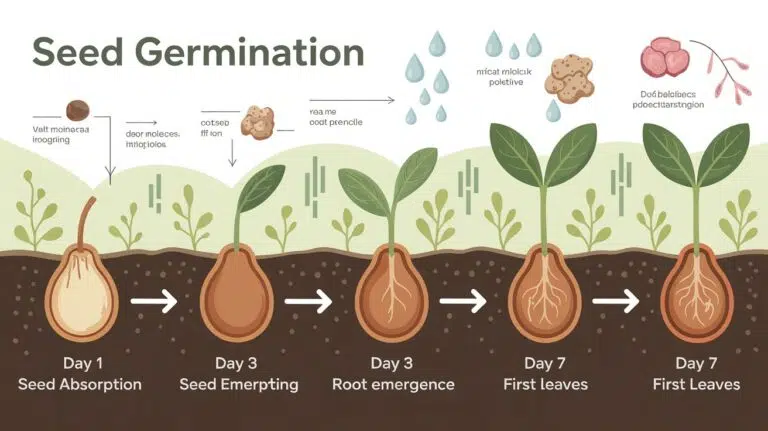
Beet seeds take 7 to 14 days to emerge indoors, fastest at 55–75°F — about 6 days at 68°F, around 17 days at 50°F.
Do beet transplants need hardening off?
Yes — harden them off for 7 to 10 days, increasing sun and wind gradually. Seedlings moved straight outside often wilt, stall, and produce forked roots.
Get when to start beet seeds indoors right, and beets reward you with smooth, even roots instead of a row of forks.